WordPress has matured from a blogging platform into a dependable foundation for enterprise websites, publishing networks, membership platforms, ecommerce stores, and mission-critical marketing systems. Its success is not accidental: strong outcomes usually come from disciplined planning, careful engineering, and ongoing governance rather than from installing a theme and hoping for the best.
TLDR: Successful WordPress development depends on clear objectives, secure architecture, performance discipline, and long-term maintenance. The strongest projects combine business strategy with technical best practices, including custom development where it creates measurable value. Real success stories often involve faster publishing, improved conversions, lower operating costs, and stronger control over content. Treat WordPress as a professional software platform, not just a website builder.
Why WordPress Continues to Deliver Serious Business Value
WordPress powers a large share of the modern web because it balances flexibility, usability, and extensibility. For organizations that need editorial control, marketing agility, and integration with third-party systems, it offers a practical path between fully custom software and rigid hosted platforms.
The most successful WordPress projects begin with a simple question: what business result must this website produce? The answer may be higher lead quality, faster content publishing, better ecommerce conversion, improved customer support, or a stronger global brand presence. Once that objective is clear, development decisions become more focused and easier to defend.
Success Story: Turning a Slow Corporate Site into a Lead Generation Engine
A common success pattern involves an established company with an outdated corporate website. The site may look acceptable, but under the surface it suffers from slow loading times, inconsistent layouts, weak mobile performance, and difficult content management. Marketing teams often depend on developers for routine updates, which slows campaigns and increases cost.
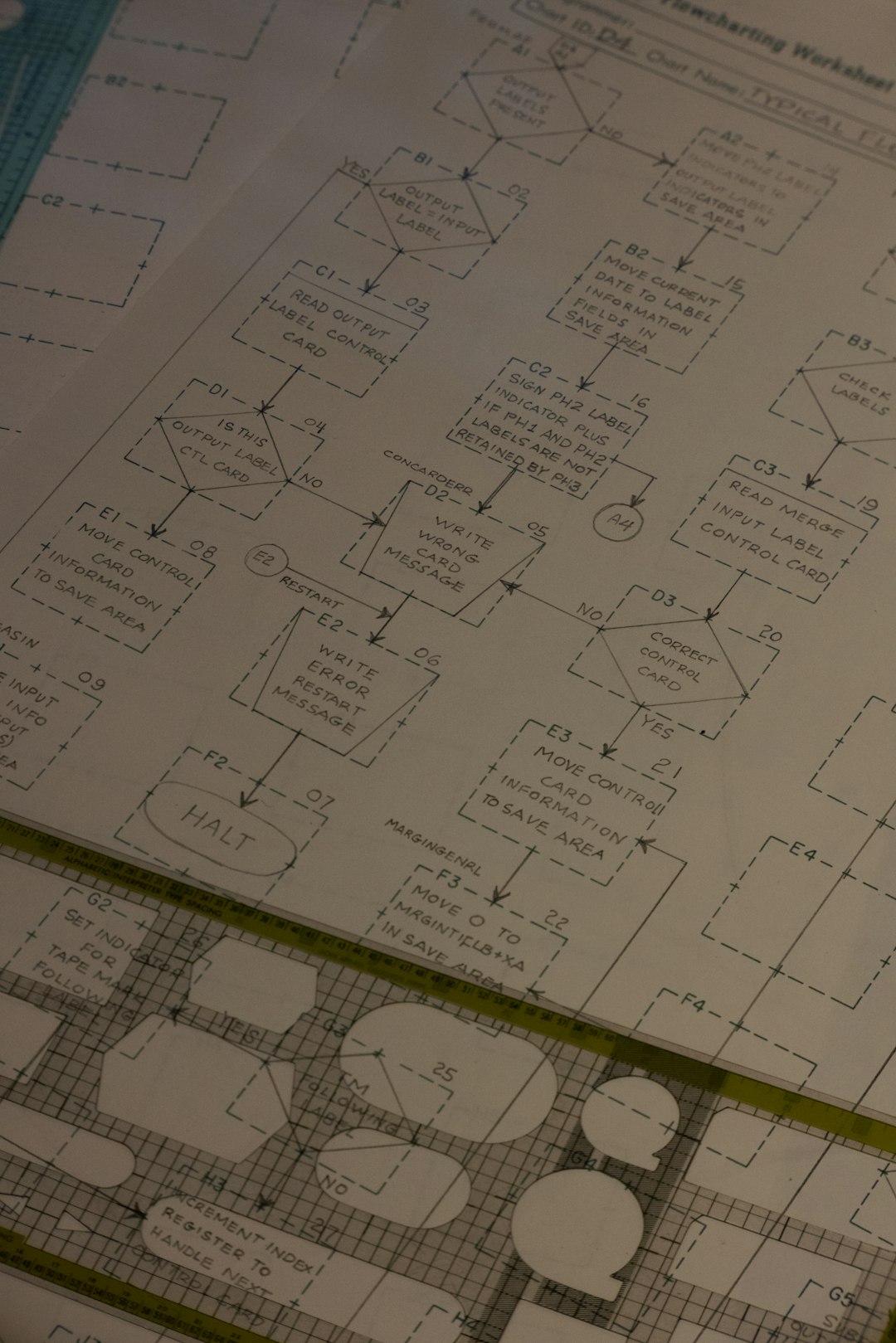
In a well-executed rebuild, developers audit existing analytics, identify high-value pages, simplify the information architecture, and create reusable content blocks in the WordPress editor. Instead of hardcoding every page, they build structured templates that allow non-technical staff to create landing pages safely and consistently.
The results can be significant: faster page speed, cleaner navigation, improved search visibility, and shorter campaign launch cycles. In many cases, the most important gain is operational. When marketing teams can publish confidently without breaking design standards, the website becomes a business asset rather than a bottleneck.
Success Story: Scaling an Ecommerce Store with WooCommerce
WooCommerce is often chosen by businesses that want ownership, customization, and close content-commerce integration. A successful WooCommerce implementation rarely depends on plugins alone. It requires careful planning around product data, checkout flow, payment security, tax handling, shipping rules, and inventory synchronization.
For example, a growing retailer may begin with a basic online store but soon encounter limitations: slow product filtering, checkout abandonment, manual order processing, and unreliable stock updates. A professional WordPress development team can address these issues by optimizing the database, integrating inventory systems, refining product templates, and reducing unnecessary scripts at checkout.
Best practice: ecommerce performance should be measured continuously. Page load speed, cart abandonment, payment failures, and search behavior all reveal whether the store is serving customers effectively. Small improvements in checkout usability can have a direct and measurable impact on revenue.
Success Story: Improving Publishing Workflows for a Content Organization
Publishers, universities, nonprofits, and industry associations often value WordPress because it gives editorial teams control. However, large publishing operations need more than a simple blog. They require user roles, approval workflows, reusable layouts, taxonomy planning, accessibility standards, and content governance.
A strong development success story in this area might involve replacing fragmented legacy systems with a centralized WordPress installation. Editors gain custom content types for news, reports, events, authors, and resources. Administrators control permissions. Readers benefit from better search, clearer categorization, and improved mobile access.
The real achievement is not only technical migration. It is the creation of a sustainable publishing system. When content is structured properly, organizations can reuse it across newsletters, search pages, resource libraries, and landing pages without duplicating work.
Best Practices That Consistently Lead to Better Outcomes
Professional WordPress development should follow standards similar to any serious software project. The following practices separate stable, scalable websites from fragile ones.
- Start with discovery. Define users, business goals, technical requirements, integrations, compliance needs, and success metrics before design or development begins.
- Use a clean information architecture. Navigation, page hierarchy, and taxonomy should reflect how users search for information, not merely how the organization is structured internally.
- Choose plugins carefully. Every plugin adds maintenance responsibility and potential risk. Use reputable plugins, avoid overlapping functionality, and remove anything unnecessary.
- Build custom functionality when justified. Custom themes, blocks, and integrations are appropriate when they reduce complexity, improve performance, or support unique business workflows.
- Prioritize performance from the beginning. Optimize images, limit scripts, use caching, review hosting quality, and test real user performance instead of relying only on lab scores.
- Design for accessibility. Accessible websites serve more users, reduce legal risk, and often perform better because they are clearer and more structured.
Security and Maintenance Are Not Optional
One of the most serious mistakes in WordPress development is treating launch as the finish line. A website that is not maintained will eventually become vulnerable, slow, or incompatible with modern browsers and integrations.
A responsible maintenance plan includes core updates, plugin and theme updates, security monitoring, regular backups, uptime monitoring, and periodic performance reviews. Updates should be tested in a staging environment before they are applied to production, especially for ecommerce, membership, or high-traffic websites.
Security best practices include enforcing strong passwords, limiting administrator access, using two-factor authentication, applying least-privilege permissions, protecting forms from spam, and monitoring suspicious activity. Reliable hosting is also critical. Cheap hosting may appear cost-effective, but downtime and poor performance can quickly become more expensive than proper infrastructure.
Development Workflow Matters
Successful WordPress teams use professional workflows. This usually includes version control, separate development and staging environments, documented deployment processes, code reviews, and automated backups. These practices reduce errors and make future changes safer.
For larger organizations, documentation is especially important. Developers should document custom features, plugin dependencies, hosting configurations, and editorial instructions. Without documentation, every future update becomes slower and riskier.

Measuring Success After Launch
A serious WordPress project should be judged by outcomes, not opinions. After launch, teams should review analytics, search visibility, conversion rates, form submissions, ecommerce revenue, support requests, and editor feedback. These measures reveal whether the project is producing the intended value.
Post-launch optimization is where many success stories become stronger. A site may launch with a solid foundation, then improve through A/B testing, content refinement, technical SEO adjustments, and conversion rate optimization. WordPress is well suited to this iterative model because it allows teams to evolve content and functionality without rebuilding from scratch.
Common Mistakes to Avoid
Even capable organizations can undermine a WordPress project by making short-term decisions. Selecting a theme only because it looks attractive, installing too many plugins, skipping security planning, or ignoring mobile performance can lead to expensive problems later.
Another frequent mistake is failing to involve real users and content editors early. A design may impress executives but frustrate the employees who manage it every day. The best projects consider both public users and internal administrators. A website should be elegant on the front end and practical behind the scenes.
A Practical Standard for WordPress Success
WordPress development succeeds when strategy, design, engineering, and maintenance work together. The platform can support small businesses and large institutions, but the quality of the outcome depends on the discipline of the implementation.
The strongest success stories share several traits: clear goals, thoughtful architecture, restrained plugin use, secure hosting, accessible design, fast performance, and a commitment to continuous improvement. When these principles are followed, WordPress becomes more than a content management system. It becomes a reliable digital platform that supports growth, protects operational efficiency, and gives organizations lasting control over their online presence.