Search engines reward content that remains useful, accurate, and relevant over time. That does not mean every page needs to be rewritten every month, but it does mean your best pages should evolve as your audience, competitors, and search results change. Fresh SEO is the practice of updating existing content strategically so it continues to earn visibility, clicks, and trust.
TLDR: Fresh SEO helps your content stay competitive by improving accuracy, relevance, and user value. The best updates are based on data, search intent, and performance trends rather than random edits. Focus on refreshing high-value pages, adding current information, improving structure, and updating internal links. Consistent content maintenance can protect rankings and often revive pages that have started to decline.
Why Content Freshness Matters for SEO
Search engines want to show users the most helpful results. In many industries, helpfulness depends on freshness. A guide about tax rules, software tools, marketing tactics, legal requirements, or product comparisons can become outdated quickly. Even evergreen topics need occasional updates because search behavior changes, competitors improve their pages, and new questions appear.
Fresh content can send positive signals in several ways. It can improve click-through rates when titles and descriptions reflect current needs. It can reduce bounce rates when visitors find accurate information. It can also help search engines recrawl a page and reassess its value. However, freshness alone is not magic. Updating the publication date without improving the content rarely delivers lasting results.
Start With a Content Audit
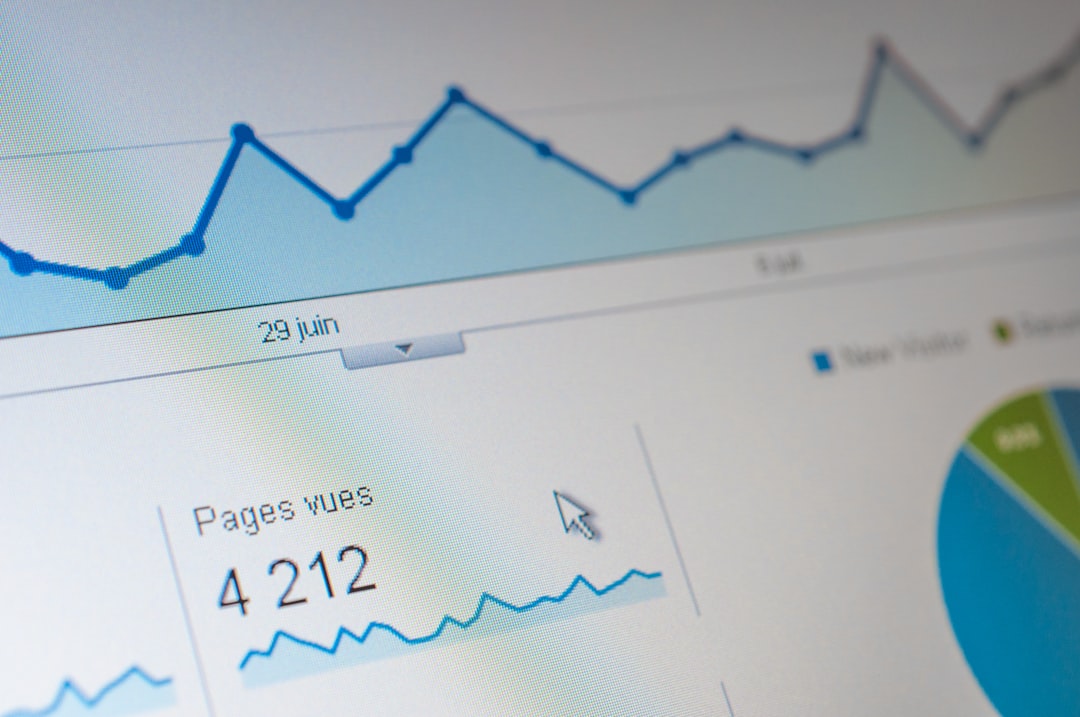
The smartest updates begin with a clear understanding of what is already working and what is slipping. A content audit helps you decide where to spend your time instead of refreshing pages at random.
Look for pages that match one or more of these conditions:
- Traffic has declined over the past three to six months.
- Rankings have dropped for important keywords.
- Conversions are lower even though traffic is steady.
- Information is outdated, such as old statistics, screenshots, prices, or product details.
- Search intent has shifted, meaning the page no longer matches what users expect.
- Competitor pages are stronger, more complete, or better formatted.
Prioritize pages with strong business value. A blog post that brings qualified leads or supports a core service deserves attention before a low-impact article with little traffic potential. Fresh SEO is not about updating everything; it is about updating what matters.
Refresh for Search Intent, Not Just Keywords
Keywords still matter, but search intent matters more. When someone searches a phrase, what are they really trying to accomplish? Do they want a quick definition, a step-by-step guide, a comparison, a checklist, or a product recommendation?
Before updating a page, review the current search results for your target keyword. Notice the format of top-ranking pages. Are they longer than yours? Do they include videos, FAQs, examples, statistics, or tools? Are they written for beginners or experts? This research reveals what users and search engines currently consider useful.
Then adjust your content accordingly. You may need to add a practical checklist, simplify confusing sections, include updated examples, or answer related questions. Sometimes the best update is not adding more words, but making the page more directly aligned with the reader’s goal.
Update Facts, Data, and Examples
Outdated details can quietly weaken trust. If your article references a report from five years ago, old interface screenshots, discontinued tools, or past trends as if they are current, readers may question the entire page.
Review each important page for:
- Statistics and research citations
- Dates, regulations, and industry standards
- Product names, features, and pricing
- Screenshots and visual examples
- Case studies and customer examples
- External links to sources or tools
Replace weak or outdated references with newer, more authoritative information. When possible, add context instead of simply swapping numbers. Explain what the updated data means and why it matters. This makes your content feel current, not merely edited.
Improve Structure and Readability
Fresh SEO is also about making content easier to consume. A page may contain good information but still underperform because it is dense, confusing, or poorly organized. Readers scan before they commit, so structure plays a major role in engagement.
Use clear headings, short paragraphs, lists, tables, and highlighted takeaways. Add a table of contents for longer articles if it improves navigation. Strengthen the opening paragraph so readers immediately understand what they will gain. If a page buries the answer too deep, bring the most important information closer to the top.
Readability affects behavior. When visitors stay longer, click deeper, and find answers faster, those interactions can support stronger SEO performance over time. The goal is not to decorate the page, but to reduce friction between the searcher and the answer.
Add New Sections Based on Real Questions
One of the easiest ways to refresh content is to add sections that answer questions your audience is already asking. You can find these questions in search suggestions, customer support conversations, sales calls, forums, competitor pages, and “People also ask” results.
For example, an article about email marketing might benefit from new sections about privacy rules, AI-assisted subject lines, mobile formatting, or deliverability changes. A page about home renovation might need updated cost ranges, material trends, or permit considerations. These additions help the content cover the topic more completely.
FAQ sections can be useful, but they should not feel like filler. Each question should answer a real concern in a concise, helpful way. If a question deserves a longer explanation, turn it into a full section instead of hiding it at the bottom.
Strengthen Internal Links
Internal linking is one of the most overlooked parts of content freshness. When you update a page, look for opportunities to connect it with newer or more relevant content on your site. This helps users explore related topics and helps search engines understand the relationship between pages.
Good internal links should be natural and descriptive. Instead of using vague anchor text like “click here,” use text that explains what the linked page covers. For example, “learn how to build a content calendar” is more useful than a generic link.
Also check for broken links or links to outdated pages. A refreshed article should not send readers to irrelevant or dead resources. Clean linking improves both user experience and technical quality.
Do Not Forget Titles and Meta Descriptions
Your content may be updated, but users first see your title tag and meta description in search results. If those elements feel outdated or dull, people may choose another result even if your page is better.
Make titles specific, current, and benefit-driven. Add the year only when it is genuinely useful and you plan to maintain it. A title like “Complete SEO Checklist for 2026” can attract clicks, but it becomes a liability if the content is not updated regularly.
Meta descriptions should summarize the value of the refreshed page. They do not directly guarantee rankings, but they can influence clicks, and better engagement often supports long-term performance.

Republish Carefully
After a meaningful update, it can make sense to change the “last updated” date or republish the article. But be honest. If you corrected two typos, do not present the page as newly refreshed. If you rewrote sections, updated data, improved links, and added helpful insights, then a new date is appropriate.
Keep the existing URL whenever possible, especially if the page already has backlinks or ranking history. Changing URLs without a strong reason can create unnecessary SEO risk. If you must change a URL, use proper redirects.
Create a Refresh Schedule
Fresh SEO works best as a repeatable habit. Create a simple schedule for reviewing content based on importance and volatility. High-value pages in fast-changing industries may need quarterly reviews. Evergreen educational pages might only need attention once or twice a year.
Your schedule can include:
- Monthly checks for declining traffic and ranking changes
- Quarterly updates for important commercial pages
- Annual reviews for evergreen guides
- Immediate updates when laws, prices, products, or best practices change
This steady approach prevents content decay from becoming overwhelming. Instead of waiting until rankings collapse, you maintain quality before problems become serious.
The Real Goal: Better Usefulness
Fresh SEO is not about chasing algorithms with superficial edits. It is about making existing content more useful than it was yesterday. When your pages answer current questions, reflect current facts, and offer a smooth reading experience, they become stronger assets for both users and search engines.
The best part is that updating content often requires less effort than creating something new from scratch. You already have a foundation, history, and sometimes backlinks. By improving what already exists, you can protect rankings, recover lost traffic, and build a site that feels alive, trustworthy, and worth returning to.