Your customers are searching nearby. They type things like “plumber in Austin” or “best dentist near me.” If your business serves that place, your page should wave and say, “Hey, I’m right here!” That is the job of an SEO location page.
TLDR: A local landing page helps your business rank for searches in a specific city, town, or service area. It should be useful, unique, and clearly tied to that location. Add local keywords, contact details, reviews, maps, FAQs, and strong calls to action. Do not copy the same page for every city with only the name changed.
What Is an SEO Location Page?
An SEO location page is a page made for one place. It could be a city, neighborhood, county, or service area. For example, a roofing company might have a page for Roof Repair in Tampa. A dog groomer might have one for Dog Grooming in Brooklyn.
The goal is simple. Help search engines understand where you work. Help people understand why they should choose you there.
Think of it like a digital welcome mat. But instead of saying “Welcome,” it says, “Yes, we serve your area. Yes, we are good at this. Yes, you can call us now.”

Why Location Pages Matter
Local searches are full of action. People are not just browsing. They want help. Often right now.
A strong location page can help you:
- Rank for city based keywords.
- Show up for nearby customers.
- Build trust with local proof.
- Get more calls, bookings, and visits.
- Support your Google Business Profile.
But here is the catch. A weak location page can feel fake. Search engines can spot lazy pages. So can humans. Nobody loves a page that says, “We offer great service in City Name,” over and over like a broken robot.
Start With the Right Local Keyword
Before you write, pick the main keyword. Keep it natural. Usually, it is your service plus the location.
Examples:
- Emergency plumber in Denver
- Wedding photographer in Miami
- HVAC repair in Phoenix
- Family lawyer in Chicago
Use the keyword in important places. Add it to the page title, main heading, intro, meta description, image alt text, and a few times in the body. But do not stuff it everywhere. That feels spammy. Write like a real person. A friendly one.
Make Every Location Page Unique
This is the big one. If you serve ten cities, do not make ten clone pages. Changing “Dallas” to “Plano” is not enough. That is boring. It is also risky for SEO.
Each page should have fresh details. Mention things that matter in that area. Talk about local needs, common problems, nearby landmarks, weather, neighborhoods, or customer stories.
For example, a pest control company in Florida might mention mosquitoes near lakes, termites in older homes, or seasonal rain. A snow removal company in Minnesota might talk about icy driveways, early storms, and fast response times.
Local details make the page feel alive. They tell visitors, “We know this place.”
Add Clear Business Information
Do not make people hunt for your details. Put the basics where they are easy to find.
- Business name
- Phone number
- Address, if you have one
- Service area
- Opening hours
- Email or contact form
- Directions or parking notes, if useful
Keep your NAP consistent. That means name, address, and phone number. Use the same details across your website, directories, and local listings. Search engines like consistency. Customers do too.
Use a Strong Page Structure
A good location page should be easy to scan. Most people skim first. Then they read more if they like what they see.
Use a structure like this:
- Hero section: Say what you do and where you do it.
- Quick trust signals: Add ratings, years in business, licenses, or guarantees.
- Services: List what you offer in that location.
- Local content: Explain how you help people in that area.
- Reviews: Show proof from nearby customers.
- FAQ: Answer common local questions.
- Call to action: Tell people what to do next.
Short sections work best. Use headings. Use bullets. Give the page some breathing room. Nobody wants to read a giant wall of text. Not even your mom.
Write a Helpful Intro
Your intro should answer three fast questions:
- What do you offer?
- Where do you offer it?
- Why should someone trust you?
Here is a simple example:
Need fast AC repair in Mesa? Our local HVAC team helps homeowners stay cool with same day service, honest pricing, and experienced technicians. Call today to book a visit.
Nice and clear. No fluff. No mystery. No “synergy.” Please leave synergy in 2011.
Add Local Proof
Trust is huge for local SEO. People want to know you are real. They also want to know you are good.
Add proof like:
- Customer reviews from that city.
- Photos of local jobs.
- Case studies from nearby clients.
- Local awards or memberships.
- Before and after photos.
- Team photos in the area.
If you have reviews, use them. A review that says “They fixed our sink in Arlington” is gold. It connects your service to the place. It also helps visitors picture you helping them next.
Embed a Map When It Makes Sense
If you have a physical office or store, add a map. It helps users find you. It also supports your local signals.
If you do not have a public location, do not fake one. Instead, show your service area. List the cities, neighborhoods, or ZIP codes you cover. Be clear and honest.
You can also add directions from popular nearby areas. For example, “We are 10 minutes from downtown” or “We serve homes near Lakeside Park.” These small details feel useful.
Optimize Title Tags and Meta Descriptions
Your title tag is like the page’s movie title. Make it clear and clickable.
Good format:
Service in City, State | Business Name
Example:
Roof Repair in Orlando, FL | Bright Top Roofing
Your meta description should invite clicks. Keep it short and helpful.
Example:
Need roof repair in Orlando? Get fast service, honest estimates, and licensed local roofers. Call today for a free quote.
This is not a ranking magic spell. But it can improve clicks. More clicks from the right people is a very good thing.
Use Internal Links
Internal links help visitors and search engines move around your site. Link from your main service pages to your location pages. Also link from location pages back to key services.
For example, a page for “Plumbing in Nashville” can link to:
- Water heater repair
- Drain cleaning
- Emergency plumbing
- Leak detection
Use natural anchor text. Avoid weird stuff like “click here best plumber keyword city.” That sounds like a robot tripped on a keyboard.
Add FAQs With Local Intent
FAQs are great. They answer questions before customers ask them. They can also help you rank for long search terms.
Try questions like:
- Do you offer same day service in this city?
- What areas nearby do you serve?
- How much does the service cost in this area?
- Are you licensed to work here?
- How quickly can you arrive?
Keep answers short. Be direct. If there are legal, pricing, or timing details, explain them clearly.
Include a Clear Call to Action
Every location page needs a next step. Do not be shy. Tell visitors what to do.
Use calls to action like:
- Call now for a free quote.
- Book your appointment today.
- Get same day service.
- Request a local estimate.
Place your call to action near the top, in the middle, and at the bottom. People decide at different times. Make it easy when they are ready.
Avoid Common Location Page Mistakes
Here are the banana peels. Do not slip on them.
- Copying the same page for every city.
- Stuffing keywords until the page sounds strange.
- Using fake addresses or misleading maps.
- Writing thin content with no real value.
- Forgetting mobile users.
- Hiding contact details.
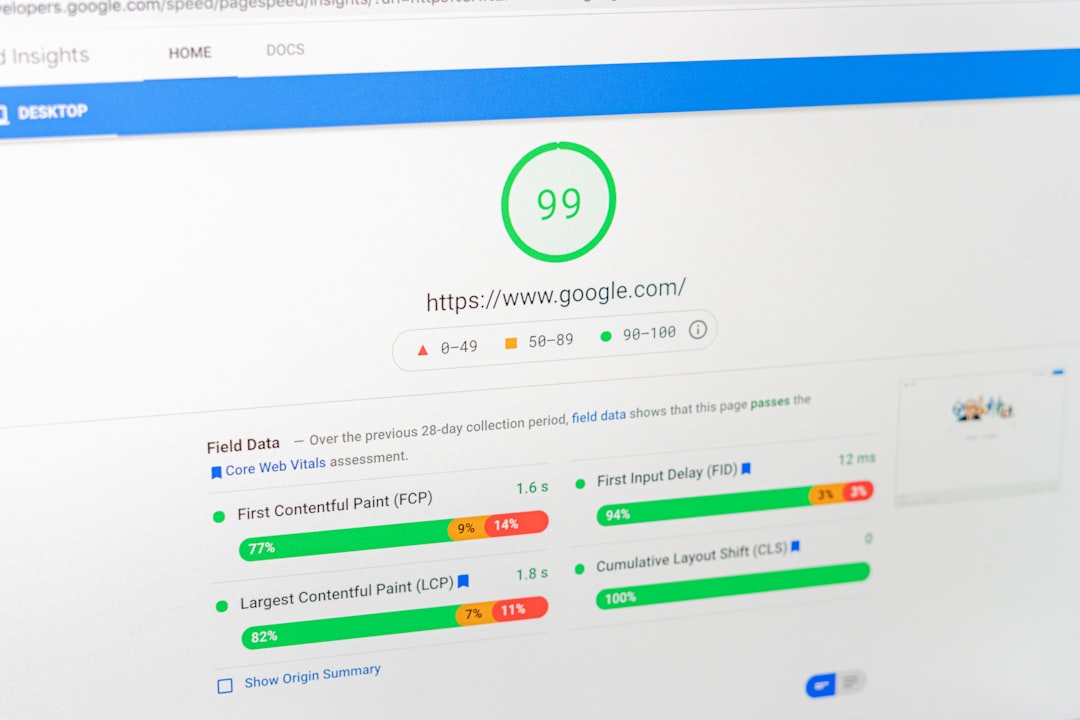
Also, make sure the page loads fast. Local users may be on phones. They may be in a hurry. If your page crawls like a sleepy turtle, they will leave.
Final Thoughts
Great SEO location pages are not hard to understand. They are just honest, useful, and local. Show what you do. Show where you do it. Show why people should trust you.
Write for humans first. Help search engines second. Add real local details, strong proof, simple contact options, and clear calls to action. Do that, and your landing page becomes more than a page. It becomes a tiny local salesperson that works all day and never asks for coffee.