Imagine your brand is a pizza shop. A regular keyword is “pizza near me.” A branded keyword is “Tony’s Pizza menu” or “Tony’s Pizza delivery.” See the difference? One is about the thing. The other is about you.
TLDR: Branded keywords are search terms that include your brand name, product name, or something strongly linked to your business. They help people find you faster and often bring in visitors who are ready to buy. They are great for SEO because they build trust, protect your reputation, and show how popular your brand is. If people are searching for your name, that is a very good sign.
What are branded keywords?
Branded keywords are search phrases that contain the name of a brand, company, product, app, founder, or service.
They are searches made by people who already know you, or at least know something about you. They are not just browsing the web like sleepy raccoons. They have a target.
Here are simple branded keyword examples:
- Nike shoes
- Apple iPhone 15
- Netflix plans
- Starbucks near me
- Canva logo maker
- Tesla Model 3 price
In each case, the search includes a brand name. That is what makes it branded.
Branded keywords vs non branded keywords
A non branded keyword does not include a brand name. It is more general.
For example:
- Running shoes is non branded.
- Nike running shoes is branded.
- Video streaming service is non branded.
- Netflix subscription is branded.
- Coffee shop near me is non branded.
- Starbucks near me is branded.
Non branded keywords are great for reaching new people. Branded keywords are great for helping people who already recognize you take the next step.
Think of it like this. Non branded keywords are a first date. Branded keywords are someone texting, “Hey, are you free tonight?” Much warmer.
Types of branded keywords
Branded keywords come in many flavors. Like ice cream. But for search engines.
1. Company name keywords
These include your business name.
- Spotify
- Spotify login
- Spotify support
2. Product name keywords
These include a specific product.
- iPhone 15 case
- PlayStation 5 price
- Kindle Paperwhite review
3. Service keywords
These include a branded service or feature.
- Amazon Prime delivery
- Google Workspace pricing
- Microsoft Teams download
4. Review keywords
These show that people want proof before they buy.
- Mailchimp reviews
- Shopify customer reviews
- Grammarly free vs premium
5. Comparison keywords
These searches mean someone is choosing between options.
- Slack vs Microsoft Teams
- iPhone vs Samsung
- Zoom vs Google Meet
These can be very valuable. The person is close to making a decision. They are standing near the checkout. Maybe holding a tiny digital shopping basket.
Why branded keywords matter for SEO
Branded keywords may look simple. But they are powerful. They can help your SEO in several important ways.
1. They bring high intent traffic
People searching for your brand are not random visitors. They know your name. They may want to buy, sign in, compare, call, subscribe, or learn more.
That means branded keyword traffic often converts better than general traffic.
Someone searching “best running shoes” is still exploring. Someone searching “Nike Pegasus size 10” is much closer to buying.
2. They build trust
If your site appears first when someone searches your name, it feels right. It feels official. It feels safe.
If other sites appear above you, it can feel weird. Like going to your own birthday party and finding a stranger blowing out the candles.
Your brand should own its search results. Your homepage, product pages, support pages, and social profiles should be easy to find.
3. They protect your reputation
People search for brands before they buy. They check reviews. They compare prices. They look for complaints. They ask the internet, “Is this brand legit?”
If you create helpful content around these searches, you can guide the conversation.
For example, you can publish:
- A clear reviews page
- A comparison page
- A pricing page
- A customer stories page
- A frequently asked questions page
This helps people get answers from you, not only from random forums or dusty blog posts from 2016.
4. They improve click through rates
When people recognize a brand in search results, they are more likely to click it.
This is called click through rate, or CTR. A strong brand can earn more clicks because people already trust the name.
Better titles and descriptions also help. Keep them clear. Include your brand name. Tell people what they will get.
5. They show brand demand
If more people search for your brand over time, that is a signal. It means your marketing is working. Your name is spreading.
SEO tools can show branded search volume. Google Search Console can also show which branded queries bring traffic to your site.
This data is useful. It tells you what people connect with your brand. It may reveal searches like:
- Your brand + pricing
- Your brand + reviews
- Your brand + discount
- Your brand + alternative
- Your brand + login
Each one is a clue. Follow the clues. Wear a detective hat if needed.
How to find your branded keywords
You do not need magic. You need a few simple tools and some curiosity.
- Use Google Search Console. Look at the queries that include your brand name.
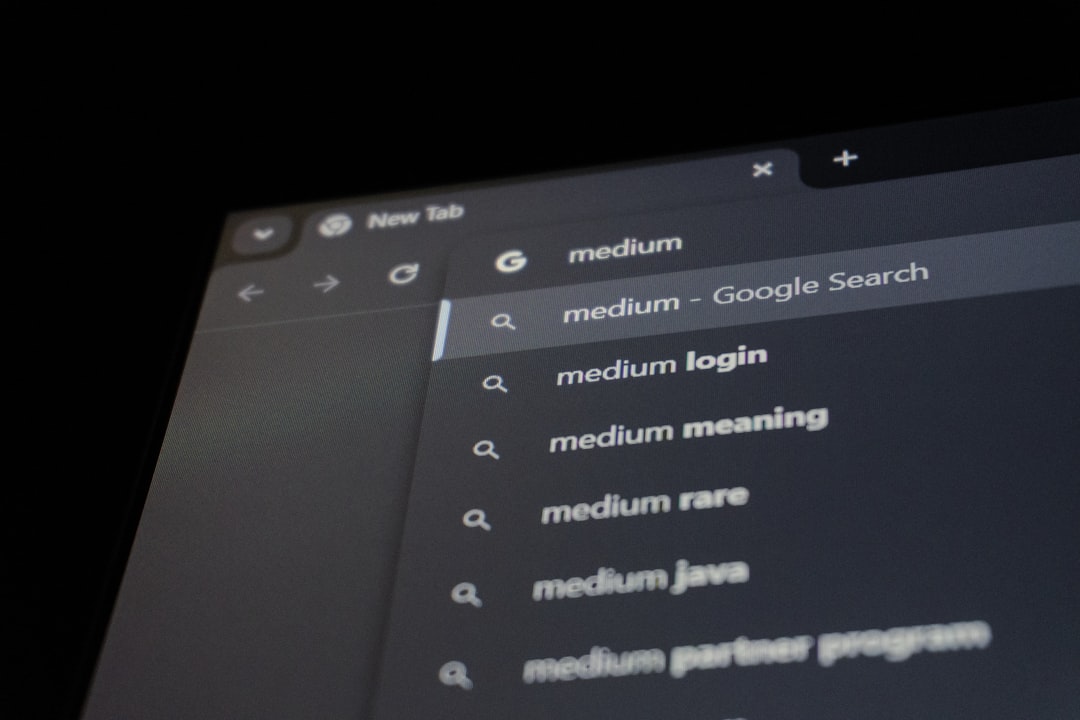
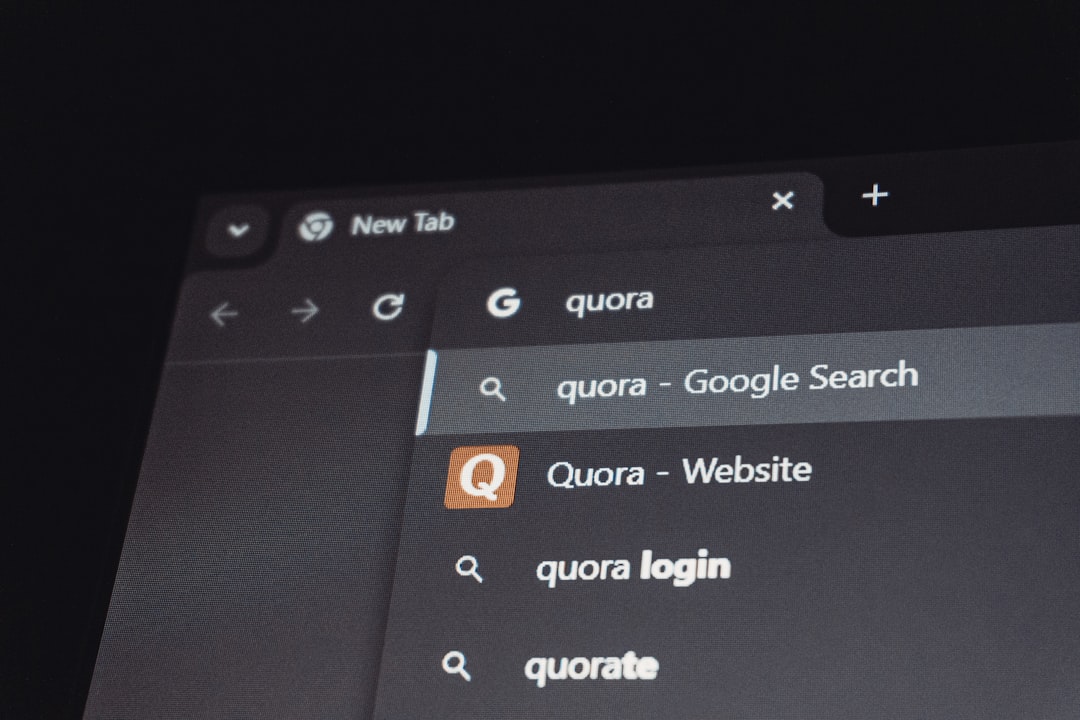
- Check Google autocomplete. Type your brand name and see what appears.
- Look at “People also ask.” These are real questions users search for.
- Use SEO tools. They can show search volume and related phrases.
- Read customer messages. Support tickets and emails often reveal keyword ideas.
Also check spelling mistakes. People may spell your brand wrong. It happens. Fingers are clumsy little sausages.
How to optimize for branded keywords
Start with your most important pages. Make sure they are easy to find and easy to understand.
- Optimize your homepage for your main brand name.
- Create clear product pages for product related searches.
- Build a pricing page if people search for your prices.
- Make a reviews or testimonials page to support trust.
- Write comparison pages if people compare you to others.
- Answer common questions in an FAQ section.
Use your brand name naturally in titles, headings, meta descriptions, image alt text, and page copy. Do not stuff it everywhere like confetti. Search engines do not like that. Readers do not either.
Common mistakes to avoid
Branded keywords are simple, but brands still mess them up. Here are a few traps.
- Ignoring review searches. People want proof. Give it to them.
- Letting competitors rank for your name. Watch your search results.
- Not having a pricing page. If users search for pricing, answer them.
- Using confusing page titles. Be clear, not clever.
- Forgetting local searches. If you have locations, optimize for “brand near me.”
Final thoughts
Branded keywords are searches that include your name or something closely tied to you. They may seem small, but they carry big value.
They bring warmer visitors. They protect your reputation. They help customers find the right page fast. They also show that people remember you, which is the whole point of branding.
So keep an eye on your branded searches. Answer them well. Own your name in search results. Your future customers are already looking for you. Make sure they find the right door.