Sleep tracking has moved from a curiosity to a practical tool for people who want to understand recovery, performance, and long-term health. The Oura Ring is one of the most widely discussed wearable sleep trackers because it collects data from the finger, where signals such as heart rate and temperature can often be measured with relatively strong consistency. Still, like any consumer device, it is best understood as a decision-support tool, not a medical diagnostic instrument.
TLDR: The Oura Ring estimates sleep quality using metrics such as total sleep time, sleep stages, heart rate, heart rate variability, body temperature, and movement. Its strongest value is in showing personal trends, such as whether your recovery improves after earlier bedtimes or worsens after alcohol, late meals, or intense training. For example, a user who averages a Readiness Score of 71 may notice it rises to 82 after seven nights of consistent sleep and reduced evening screen time. Accuracy is generally useful for tracking patterns, but sleep stage detection should be interpreted with caution.
How Oura Tracks Sleep
The Oura Ring uses a combination of sensors to estimate what happens during the night. These include photoplethysmography sensors for heart rate, temperature sensors for changes in skin temperature, an accelerometer for movement, and algorithms that interpret these signals into sleep and recovery metrics.
Unlike wrist-based trackers, Oura is worn on the finger. This placement can be advantageous because the finger has a strong blood flow signal, which may help improve the consistency of heart rate and heart rate variability readings. However, comfort, fit, and correct sizing matter. A loose ring may produce less reliable data, while a snug but comfortable fit tends to support better measurement quality.
Image not found in postmetaCore Sleep Metrics Explained
Oura presents several sleep metrics in the app. These are designed to simplify complex physiology into practical insights, but it is important to understand what each one means.
- Total Sleep Time: The estimated amount of time spent asleep, excluding periods when the ring detects wakefulness.
- Time in Bed: The full period between when you go to bed and when you get up, including time spent awake.
- Sleep Efficiency: The percentage of time in bed that was actually spent sleeping. For many adults, an efficiency above 85% is generally considered good.
- Sleep Latency: How long it takes to fall asleep. Very short latency may indicate sleep deprivation, while very long latency can suggest stress, poor sleep habits, or other issues.
- Restfulness: A measure influenced by movement, awakenings, and interruptions during the night.
- Timing: Whether your sleep occurs during a window that aligns well with your historical rhythm and circadian pattern.
These metrics are combined into the Sleep Score, a number from 0 to 100. A higher score generally suggests better sleep duration, continuity, and timing. However, the score should be viewed as a summary, not a verdict. A single poor night is less meaningful than a repeated trend over several days or weeks.
Sleep Stages: Useful, but Not Perfect
Oura estimates time spent in light sleep, deep sleep, REM sleep, and awake time. These stages are important because different types of sleep support different functions. Deep sleep is associated with physical restoration and immune function, while REM sleep is linked with memory, emotional processing, and learning.
That said, sleep stage tracking is one of the more difficult tasks for any wearable. The gold standard for sleep staging is polysomnography, a clinical sleep study that measures brain activity, eye movement, muscle tone, breathing, and more. Oura does not measure brain waves, so its sleep stage estimates are based on indirect signals such as heart rate, movement, and temperature patterns.
In practical terms, this means Oura may be helpful for identifying broad patterns, such as consistently short sleep or frequent disturbances, but users should avoid overinterpreting small differences. For example, seeing 58 minutes of deep sleep one night and 72 minutes the next does not necessarily mean a major physiological change occurred.
Recovery and the Readiness Score
One of Oura’s most prominent features is the Readiness Score. This score is intended to estimate how prepared your body may be for physical, mental, and emotional demands. It draws from several inputs, including sleep quality, resting heart rate, heart rate variability, body temperature, recent activity, and recovery balance.
Heart rate variability, often abbreviated as HRV, is particularly important. HRV measures variation in the timing between heartbeats. Higher HRV is often associated with better recovery and stronger parasympathetic nervous system activity, while lower HRV may reflect stress, illness, alcohol intake, overtraining, or insufficient sleep.
Resting heart rate also matters. If your nighttime heart rate remains elevated compared with your normal baseline, Oura may suggest that your body is under strain. Causes can include late meals, intense evening workouts, dehydration, travel, or the early stages of illness.
Body Temperature and Early Warning Signals
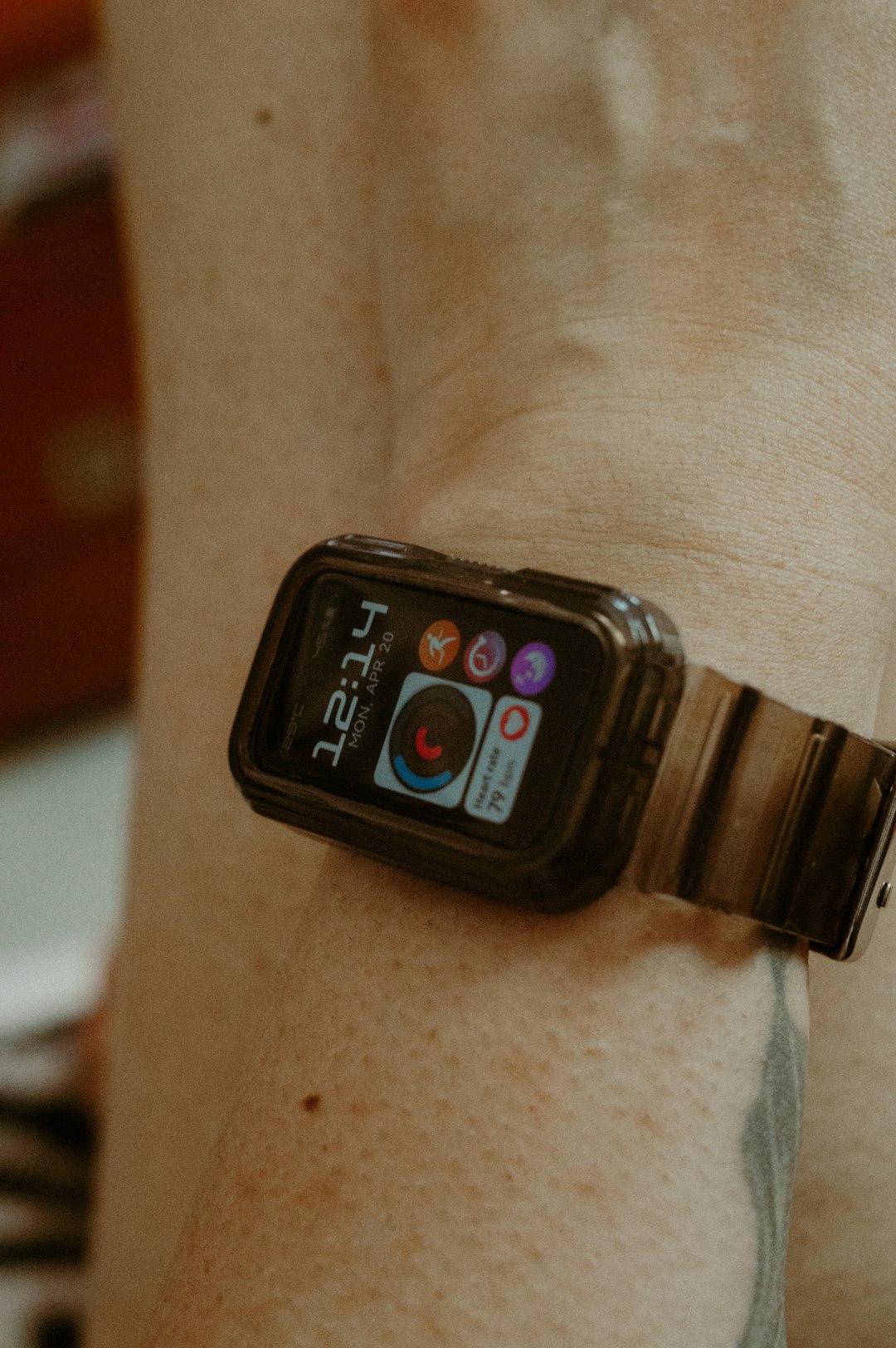
Oura tracks changes in skin temperature relative to your personal baseline. This can be valuable because temperature shifts may occur before you consciously feel unwell. A small increase over multiple nights may be associated with immune activation, hormonal changes, alcohol consumption, or environmental conditions.
For women, temperature trends may also provide useful context around menstrual cycle patterns. However, temperature data should be interpreted carefully. A warmer room, heavier blanket, or alcohol intake can affect readings. Oura’s temperature tracking is most useful when considered alongside other signs such as HRV, resting heart rate, and subjective symptoms.
How Accurate Is Oura Ring Sleep Tracking?
Accuracy depends on what is being measured. For sleep duration and wake detection, Oura can be reasonably useful for many users, especially when compared with memory-based estimates. People often misjudge how long they slept, and a wearable can provide a more consistent record.
For heart rate and HRV, finger-based measurement is generally a strength of the device. While no consumer wearable is perfect, Oura’s form factor gives it a favorable position for collecting cardiovascular signals during sleep.
For sleep stages, caution is necessary. Oura’s estimates may align with general patterns, but they should not be treated as equivalent to a clinical sleep study. Consumer sleep trackers can confuse quiet wakefulness with light sleep or misclassify transitions between stages. This does not make the data useless; it simply means the information is better suited for trend tracking than precise diagnosis.
What Oura Is Best Used For
The most reliable way to use Oura is to focus on patterns over time. Instead of reacting strongly to one night’s score, look for repeated associations between behavior and recovery. This is where the ring can be genuinely practical.
- Testing bedtime consistency: Compare your Sleep Score after one week of regular bedtimes versus a week of irregular sleep.
- Evaluating alcohol impact: Many users notice lower HRV and higher resting heart rate after drinking, even in moderate amounts.
- Managing training load: Athletes can use Readiness trends to decide when to push hard or prioritize recovery.
- Monitoring stress: A lower HRV trend combined with poor sleep may indicate accumulated strain.
- Identifying illness signals: Temperature elevation and reduced HRV may suggest the need for rest.
For example, someone training for a half marathon might see their Readiness Score drop from an average of 78 to 64 after several high-intensity sessions and short nights. That does not automatically mean they are injured or sick, but it may be a useful prompt to reduce intensity, sleep longer, and monitor symptoms.
Limitations to Keep in Mind
Oura is not a substitute for medical evaluation. If you experience persistent insomnia, loud snoring, gasping during sleep, excessive daytime sleepiness, or suspected sleep apnea, you should consult a healthcare professional. A ring cannot diagnose sleep disorders, respiratory events, or neurological sleep abnormalities.
Users should also be careful about becoming overly focused on scores. This phenomenon, sometimes called orthosomnia, occurs when people become anxious about optimizing sleep data, ironically making sleep worse. The goal should be better habits and awareness, not perfection.
How to Improve the Quality of Your Data
To get more consistent readings, wear the ring on the recommended finger and ensure it fits properly. Keep the sensors clean, sync the app regularly, and wear the ring consistently for several weeks so it can establish a meaningful baseline. Oura’s insights become more useful as it learns what is normal for you.
It also helps to add context. If the app allows notes or tags, record factors such as alcohol, late meals, travel, illness, hard workouts, or unusual stress. Over time, these annotations can make the data far more actionable.
Bottom Line
The Oura Ring is a serious and well-designed sleep tracking tool for people who want to understand recovery and lifestyle patterns. Its strongest features are nighttime heart rate, HRV, temperature trends, sleep consistency, and recovery scoring. Its sleep stage estimates can be informative, but they should be treated as approximations rather than clinical facts.
Used wisely, Oura can help users make better decisions about sleep routines, training, stress management, and recovery. The best approach is to focus on long-term trends, compare data with how you actually feel, and seek medical advice when symptoms suggest something more serious than poor sleep habits.