Choose a digital product by proving one paid problem before you build the full product. Profit comes from a tight match between pain, buyer urgency, simple delivery, and trust. A polished product that nobody needs is still a loss.
TLDR: Start with a specific audience, find a painful repeat problem, and test willingness to pay with a small offer. For example, a freelancer could pre-sell a $29 client onboarding template pack to 50 email subscribers and aim for 5 sales, a 10% conversion rate, before creating the full bundle. Build only the first useful version, then improve it from real buyer feedback. Market it with proof, clear outcomes, and a simple sales path.
What Counts as a Digital Product?
A digital product is any product delivered online without physical inventory. Common formats include:
- Templates: Notion dashboards, spreadsheets, proposals, resumes, content calendars.
- Courses: Video lessons, email courses, workshops, training libraries.
- Ebooks and guides: Practical manuals, playbooks, checklists, industry reports.
- Software and tools: Calculators, plugins, apps, automations, scripts.
- Memberships: Paid communities, content libraries, coaching groups.
- Creative assets: Fonts, presets, stock photos, illustrations, audio files.
The best format depends on the buyer’s goal. A busy small business owner may prefer a checklist over a 12-hour course. A designer may want source files, not a written guide. Match the format to how people want to solve the problem.
Start With a Buyer, Not an Idea
Many creators begin with a product they want to make. That is risky. A better route is to identify a buyer with money, urgency, and a repeat problem. Serious buyers usually share three traits: they already spend money in the category, they talk about the problem often, and the problem costs them time, money, or status.
Good audience examples include new managers, solo accountants, wedding photographers, fitness coaches, Etsy sellers, law students, and B2B sales teams. Weak audiences are too broad, such as “people who want to be productive.” Narrow beats vague.
Use research before you commit. Read forum posts, product reviews, Reddit threads, YouTube comments, support groups, and competitor testimonials. Pay close attention to phrases people repeat. If buyers keep saying, “I waste two hours every Friday making reports,” that is a product clue.
How to Choose a Profitable Product Idea
Score each idea against five practical filters:
- Pain: Does the problem cause real stress or lost income?
- Frequency: Does it happen weekly or monthly, not once every five years?
- Ability to pay: Can the buyer afford a useful solution?
- Speed to result: Can your product create value within one day or one week?
- Proof potential: Can you show examples, screenshots, data, or before-and-after results?
A profitable product often sits where expertise meets repetition. For instance, a tax checklist for freelance designers may sell better than a general finance ebook. It is specific. It reduces fear. It saves time. It also reaches people who already understand the cost of mistakes.
Honestly, it feels like too many creators spend 30 hours polishing cover art before asking one buyer if the offer makes sense. That order is backwards. Validate the problem first. Polish later.
Validate Before You Build
Validation does not mean asking friends, “Would you buy this?” Most people are polite. Their answers are cheap. Better validation asks for action.
Here are reliable tests:
- Pre-sell: Offer the product before it is complete, with a clear delivery date.
- Landing page test: Send traffic to a sales page and measure email signups or checkout clicks.
- Paid consultation: Sell the result manually, then turn the process into a product.
- Waitlist with a survey: Ask about budget, urgency, and current tools.
- Mini version: Sell a smaller paid product before building the full one.
A simple benchmark helps. If 100 targeted visitors see your page and fewer than 2 people join the waitlist, the offer may be unclear or the audience may be wrong. If 10 out of 100 join, you have a stronger signal. If people pay before launch, listen closely.
Create the First Useful Version
Your first version should solve one problem well. Do not build a giant product. A bloated course with 62 lessons can feel impressive, but buyers want progress. They do not want homework that never ends.
Use this structure:
- Promise: What result will the buyer get?
- Inputs: What does the buyer need before starting?
- Steps: What exact actions should they take?
- Templates or tools: What can reduce effort?
- Outcome: What should be finished at the end?
For an ebook, make it actionable. For a template, include instructions. For a course, keep lessons short. For software, reduce clicks. It drives me crazy when a tool needs nine setup screens just to produce one report. Buyers notice that friction. They may not complain; they just stop using it.

Price Based on Value, Not File Size
Digital products are not priced by page count or video length. They are priced by outcome, trust, and audience. A spreadsheet that saves a consultant five hours per month can be worth more than a 200-page ebook.
Common price ranges:
- $9 to $29: Checklists, mini guides, simple templates.
- $30 to $99: Advanced templates, workshops, niche playbooks.
- $100 to $500: Courses, toolkits, professional systems.
- $500 and up: Cohorts, certifications, specialist training, B2B tools.
Low prices can reduce doubt, but they also require more sales. Higher prices need stronger proof. Use refunds, samples, case studies, and clear demos to reduce risk.
Build a Trustworthy Sales Page
A serious sales page should answer buyer questions fast. Avoid hype. Clarity sells better than pressure.
Include these elements:
- Headline: State the result and audience.
- Problem: Show that you understand the buyer’s pain.
- Product preview: Display screenshots, module names, sample pages, or demo clips.
- Benefits: Explain what changes after purchase.
- Proof: Add testimonials, numbers, examples, or your credentials.
- FAQ: Handle objections about time, skill level, access, and refunds.
- Call to action: Tell buyers exactly what to do next.
Make the purchase process short. Every extra field can hurt conversion. If checkout takes 45 seconds longer than expected, some buyers will abandon it. That is annoying, and it costs money.
Market With Proof and Repetition
Marketing works best when it repeats one clear message in different forms. Do not post random tips forever. Tie content to the buying problem.
Use these channels based on your audience:
- Email: Best for launches, education, and repeat sales.
- SEO articles: Good for evergreen search demand.
- LinkedIn: Useful for professional and B2B products.
- YouTube: Strong for tutorials, reviews, and demos.
- Partnerships: Great when trusted creators already serve your buyers.
- Paid ads: Useful after your sales page already converts.
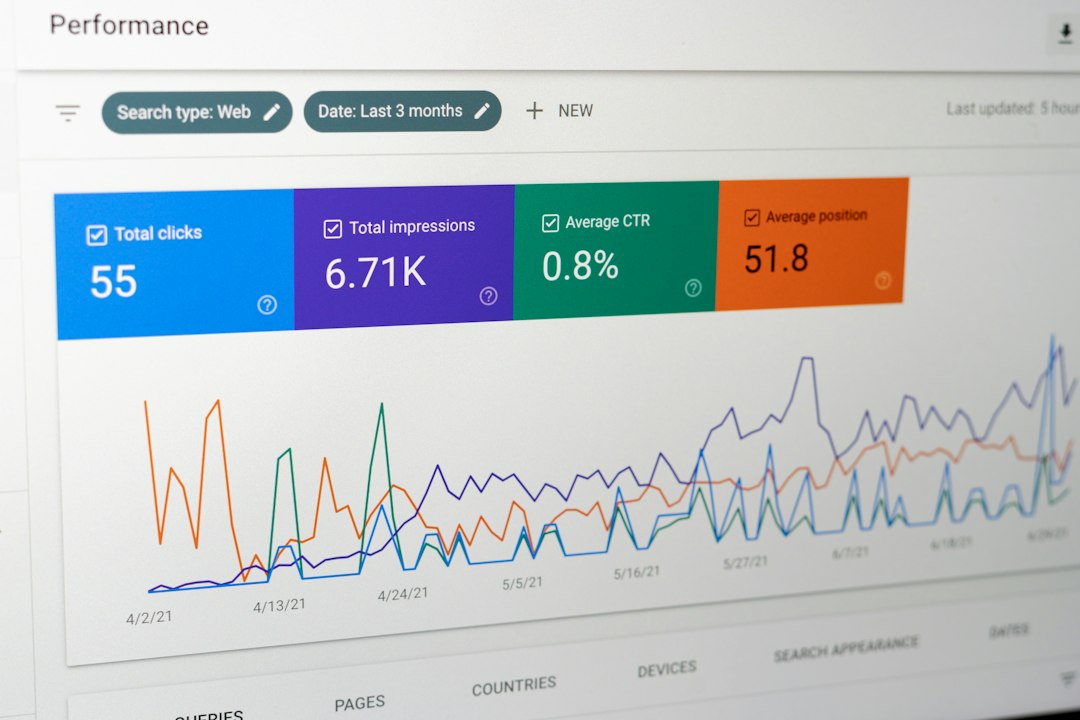
A practical launch plan can be simple. Publish three educational posts, send two emails, share one product demo, and offer a launch bonus for seven days. Track visits, email clicks, sales, refunds, and support questions. Numbers keep emotion out of the process.
Improve After Real Sales
The first sale is not the finish line. It is the first clean signal. Ask buyers what confused them, what they used first, and what result they got. Improve the parts that create outcomes. Remove parts nobody uses.
Track simple metrics:
- Conversion rate: Percentage of visitors who buy.
- Refund rate: A warning sign if it rises above normal for your category.
- Activation: Percentage of buyers who use the product within the first week.
- Support requests: Clues about unclear instructions.
- Repeat purchases: Proof that buyers trust your work.
Profitable digital products rarely come from guessing. They come from a disciplined cycle: pick a clear buyer, test demand, build the smallest useful version, sell with proof, then refine. That process is less glamorous than chasing every new trend, but it is far more reliable.