Build Instagram Stories ads as fast, vertical sales arguments: show the product in the first second, state one clear promise, and give the viewer a simple next step before they tap away.
TLDR: The strongest Instagram Stories ads use native-looking video, bold on-screen text, and a single conversion goal. For example, a skincare brand could run a 15-second before-and-after Story with “Reduce visible redness in 7 days” and a Shop Now sticker. If the brand spends $2,000 and reaches 80,000 people at a 0.9% swipe or tap rate, that creates about 720 landing page visits. With a 4% purchase rate and a $55 average order value, the campaign can produce around $1,584 in tracked revenue before repeat purchases.
Why Stories ads work when they are built correctly
Instagram Stories ads sit between personal updates, creator content, and brand posts. That makes them powerful, but also unforgiving. People do not owe the ad their attention. The first frame has to earn it.
A strong Stories ad should feel native to the feed while still looking disciplined. It should not look like a recycled TV spot. It should not depend on sound. It should not ask the viewer to read six lines of copy. The format rewards clarity, speed, and relevance.
The catch is that many brands treat Stories as an afterthought. They crop a square ad into 9:16, hide the product behind busy graphics, and place text under interface buttons. Expect to waste time fixing that later if safe zones are ignored during design.
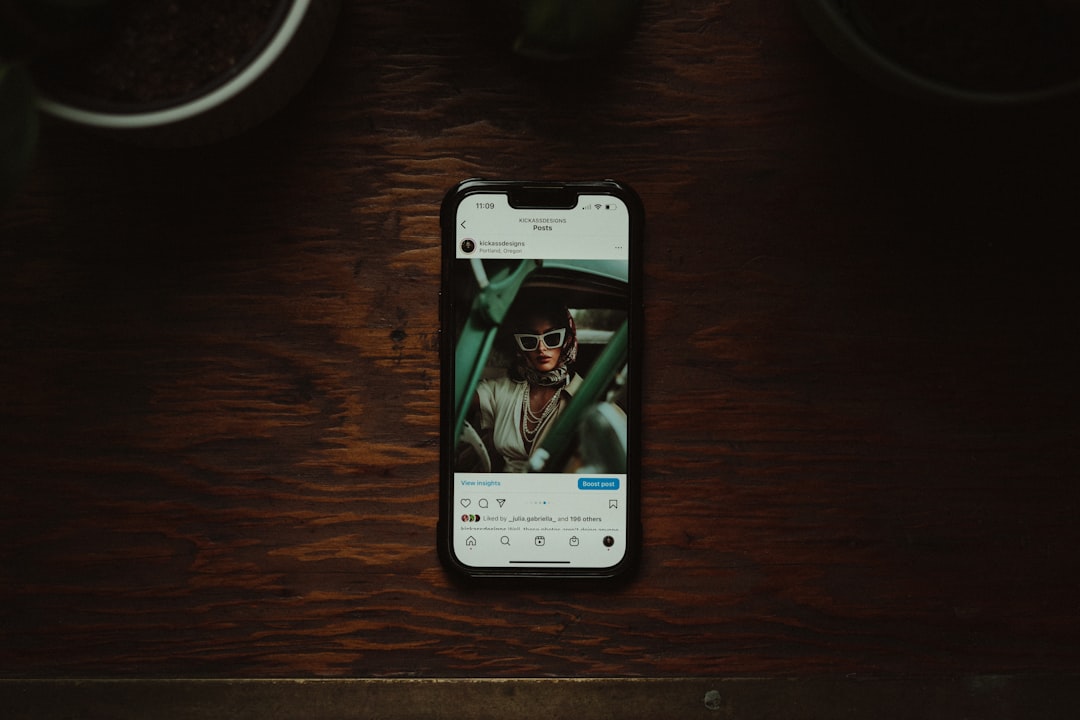
Example 1: The product demo Story
A product demo is one of the safest formats for direct response campaigns. It works because it answers the buyer’s main question: What does this do for me?
Best for: beauty, fitness, kitchen tools, apps, cleaning products, and home goods.
Creative structure:
- Frame 1: Show the problem in a clear visual. Do not over-explain.
- Frame 2: Show the product solving that problem.
- Frame 3: Add proof, price, offer, or guarantee.
- Final frame: Use a direct call to action such as Shop Now, Get Quote, or Try Free.
Messaging idea: “Messy desk? Turn it into a charging station in 10 seconds.” This is short, specific, and visual. It gives the ad a job.
Keep captions large. Use high contrast. Add arrows or circles only when they help. Too many stickers make the ad look cheap. A clean product demo usually beats a noisy design with five claims.
Example 2: The customer proof Story
Customer proof is useful when the audience already understands the product category, but does not trust the brand yet. This is common for supplements, courses, financial services, and high-ticket ecommerce.
Best for: products with reviews, transformations, case studies, and repeat buyers.
Creative structure:
- Open with a short quote from a real customer.
- Show a face, receipt, result, or user-generated clip.
- Add one measurable detail, such as “4.8 average rating” or “12,000 orders shipped.”
- Close with a low-risk action, such as See Reviews or Claim Trial.
Messaging idea: “I ordered on Monday. My dog stopped scratching by Friday.” That type of line feels human. It beats “premium pet wellness solution” because it sounds like someone actually said it.
Use proof carefully. Do not imply results that most buyers will not get. If the claim needs legal review, get it reviewed before launch. Short-term clicks are not worth chargebacks, complaints, or account issues.
Example 3: The limited offer Story
Offer-led Stories can convert well, but only when the offer is clear. Vague urgency feels fake. Real urgency needs a real reason.
Best for: seasonal sales, product drops, event registrations, local services, and subscription trials.
Creative structure:
- Lead with the discount or bonus.
- Show the product or outcome.
- State the deadline.
- Repeat the call to action in the final second.
Messaging idea: “20% off first orders until midnight. Fresh meals delivered Sunday.” This gives the viewer the offer, the timing, and the result. No fluff.
A serious campaign should test at least two offer angles. One can focus on price. The other can focus on a bonus, such as free shipping, a consultation, or an added sample. Discounts are not always the best path. Sometimes they train customers to wait.

Example 4: The founder or expert face-to-camera Story
Face-to-camera ads often work because they break the polished-ad pattern. The speaker appears close to the viewer. The format feels personal when it is not overproduced.
Best for: coaching, health services, B2B tools, local businesses, education, and professional services.
Creative structure:
- Start with a sharp pain point: “Most invoices are paid late because the reminder comes too late.”
- Explain the fix in one sentence.
- Show a quick screen, result, or client example.
- Invite the viewer to book, download, or start.
It drives me crazy when brands record a decent founder ad, then bury the message under tiny captions and background music that fights the voice. Captions should match the spoken message. They should not compete with it.
Creative formats worth testing
Do not rely on one format. Stories performance can shift by audience, offer, and buying stage. A practical account should test several controlled variations.
- Single image ad: works well for simple products, clear offers, and retargeting.
- Short video ad: best for demos, transformations, and before-and-after content.
- Carousel Story: useful for multiple benefits, product bundles, or step-by-step education.
- UGC style ad: effective when trust matters more than polish.
- Animated text ad: strong for app features, service offers, and event reminders.
- Poll or question sticker style: useful for engagement, but track whether it helps sales.
Messaging ideas that convert
Good Stories copy is direct. It should sound like a useful prompt, not a slogan pulled from a boardroom.
Use these message angles:
- Problem and fix: “Dry skin by noon? Try this before makeup.”
- Speed: “Create a client invoice in under 30 seconds.”
- Social proof: “Rated 4.7 by 9,300 verified buyers.”
- Comparison: “Same workout plan. Less equipment.”
- Risk reversal: “Try it for 14 days. Cancel anytime.”
- Local relevance: “Austin appointments available this week.”
Avoid stuffing the screen with benefits. One ad should sell one main idea. If there are five strong claims, build five ads.
Conversion tactics for higher return
Creative gets the tap. The full path gets the sale. A Story ad with a weak landing page will still lose money.
- Match the landing page headline to the ad. If the ad promises “20% off first order,” the page should show that instantly.
- Use fast mobile pages. A slow page can destroy paid traffic. Aim for a load time under three seconds.
- Keep the first action simple. Buy, book, claim, download, or subscribe. Do not ask for too much too soon.
- Retarget viewers by intent. Build audiences from people who watched 50% or more, tapped, visited the page, or added to cart.
- Separate prospecting and retargeting. Cold users need context. Warm users need proof, urgency, or reassurance.
- Track events correctly. Use platform pixels, conversion API where suitable, and clean UTM tags.
Metrics that deserve attention
Do not judge Stories ads by click-through rate alone. A funny ad can get taps and still fail sales. Look at the full chain.
Track these numbers:
- Thumb-stop rate: how many people stay past the first second.
- Video completion rate: whether the story holds attention.
- Tap or swipe rate: whether the offer creates action.
- Cost per landing page view: a cleaner signal than raw clicks.
- Conversion rate: how well the page closes.
- Cost per acquisition: the number that matters most for scaling.
For a starting benchmark, many brands aim for a Story ad tap rate between 0.5% and 1.5%, depending on market and offer. A conversion rate of 2% to 5% on warm traffic can be realistic for ecommerce, though price and trust change the numbers fast. High-ticket services may convert far lower but still be profitable.
Final checklist before publishing
- Use a 9:16 vertical layout.
- Place text away from profile icons, buttons, and sticker areas.
- Show the product or outcome in the first second.
- Write captions for sound-off viewing.
- Use one main message per ad.
- Test at least three creative angles.
- Send traffic to a mobile page that matches the ad.
- Review results by audience, placement, and creative type.
Instagram Stories ads can be profitable when they are treated as compact sales systems. The format is short, but the discipline behind it should be serious. Clear creative, honest messaging, and tight conversion tracking will beat flashy edits most of the time.