The best YouTube alternative depends on what you need: audience reach, business control, ad-free hosting, live streaming, privacy, monetization, or community growth. YouTube is still the biggest public video platform, but it is not always the best fit for professional creators, brands, educators, or streamers who need tighter control over distribution and revenue.
TLDR: Use Vimeo or Wistia for polished business video hosting, Twitch for live streaming, TikTok and Instagram Reels for fast audience growth, and Dailymotion or Rumble for broader public publishing. For example, a small software company might host 20 product tutorials on Wistia, track that 62% of viewers drop off after minute three, then shorten future videos to improve demo completion. Creators who want discovery should still post clips on social platforms instead of relying on one video site.
Why use video sites other than YouTube?
YouTube is powerful, but it comes with trade-offs. Your videos sit beside competitors, ads may distract viewers, and algorithm changes can hurt traffic without warning. It drives me crazy that a clean product demo can end with an unrelated recommended video pulling a buyer away.
Other platforms solve different problems. Some give better privacy. Some offer cleaner embeds. Some are stronger for live chat. Others help creators reach younger audiences through short clips.

Best YouTube-like video sites by use case
- Best for professional hosting: Vimeo, Wistia
- Best for live streaming: Twitch, Kick, Facebook Live
- Best for short-form growth: TikTok, Instagram Reels, YouTube Shorts as a secondary channel
- Best for business marketing: Wistia, Vidyard, Vimeo
- Best for public video publishing: Dailymotion, Rumble
- Best for paid communities: Patreon, Uscreen, Kajabi
Vimeo: best for polished video hosting
Vimeo is one of the most respected alternatives for creators, agencies, filmmakers, and companies that care about presentation. It offers clean video pages, high-quality playback, password protection, private links, and professional embeds.
Vimeo is not built for viral discovery in the same way as YouTube. That is the catch. You usually need to bring your own audience through email, ads, search, or your website. Still, for portfolios, sales videos, courses, and company updates, it feels much more controlled.
Best for: filmmakers, agencies, educators, consultants, SaaS companies, and brands.
Wistia: best for business video analytics
Wistia is made for marketing teams. It is not trying to be a social video site. It is a serious hosting and analytics platform for companies that want to know what viewers do after pressing play.
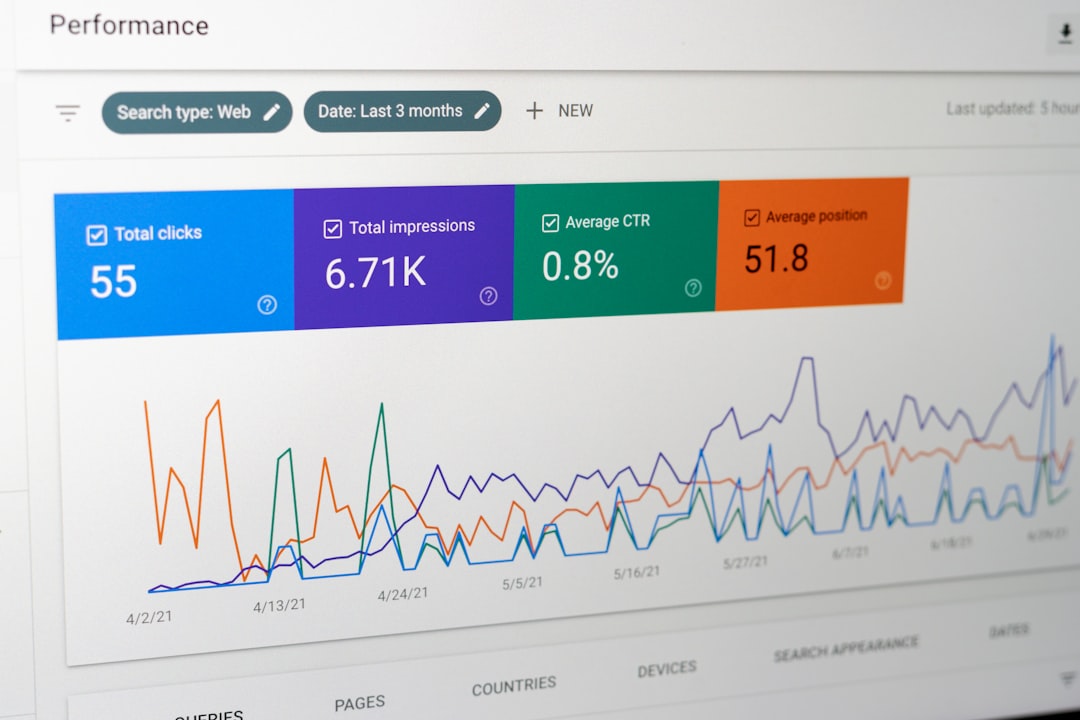
Wistia can show heatmaps, engagement rates, drop-off points, and viewer behavior. This helps teams improve landing pages, product demos, webinars, and onboarding videos. You can also add calls to action, lead forms, and branded players.
The downside is cost. Wistia can feel expensive if you only need basic hosting. But for a company where one demo request may be worth hundreds or thousands of dollars, the data can justify the spend.
Vidyard: strong for sales teams
Vidyard focuses on video for sales, marketing, and customer communication. Sales teams can record personal video messages, send walkthroughs, and track engagement. This makes it useful for account-based selling and customer success.
A sales rep can record a 90-second proposal summary instead of writing another long email nobody wants to read. If the prospect watches 85% of it, that is a strong buying signal. If they stop after 10 seconds, the message probably missed.
Best for: B2B sales, customer onboarding, software demos, and internal communication.
Twitch: best for live streaming communities
Twitch is the obvious choice for gaming, live commentary, music sessions, watch parties, and creator communities. It is built around real-time interaction. Chat is central, not an afterthought.
Creators can earn through subscriptions, bits, sponsorships, and donations. The platform also rewards consistency. Streaming twice a month will not build much. Streaming three to five times per week gives viewers a habit.
Twitch is weaker for searchable evergreen content. Streams can be clipped and repurposed, but most value comes from the live moment. If you want long-term search traffic, pair Twitch with a public video archive or short clips on social channels.
TikTok: best for fast discovery
TikTok is not a direct YouTube clone, but it is one of the strongest video platforms for audience growth. Its recommendation system can push a new account to thousands of viewers quickly if a video earns strong retention and replays.
Short, clear, useful videos work well. A fitness coach might post 30-second form corrections. A lawyer might explain one common contract mistake. A restaurant might show the prep behind a popular dish.
The problem is depth. TikTok is great for reach, but not always great for trust or conversion. Use it to attract attention, then guide viewers to a newsletter, site, store, or longer content library.
Instagram Reels and Facebook Video: best for existing social audiences
Instagram Reels is useful if your audience already follows creators, brands, influencers, or local businesses there. It works well for visual niches such as fashion, food, travel, fitness, beauty, and events.
Facebook Video still matters for local businesses, community groups, older audiences, and live events. A church, school, nonprofit, or local news page may get better engagement on Facebook than on a newer platform.
Expect to waste time resizing, captioning, and adjusting videos for each app. A clip that performs well on Reels may need a different hook for Facebook. Small edits can matter.
Dailymotion: best as a secondary public video site
Dailymotion is an older video platform with global reach. It supports public video publishing, embeds, and monetization options for eligible publishers. It is not as large as YouTube, but it can serve as a useful secondary distribution channel.
Publishers, media brands, and creators with large content libraries may find it worthwhile. Smaller creators should treat it as additional reach, not a main growth engine.
Rumble: best for independent publishing
Rumble has grown as a video platform for independent creators, commentators, and publishers. It offers monetization options and a public video experience that feels closer to YouTube than many business hosting tools.
It can be a fit for creators who want another place to build an audience and reduce dependence on one platform. As with any public platform, review its audience fit, brand safety, policies, and monetization terms before committing.
Uscreen, Patreon, and Kajabi: best for paid video communities
If your goal is recurring revenue, public views may not be enough. Uscreen, Patreon, and Kajabi help creators sell memberships, courses, and premium video libraries.
- Uscreen works well for subscription video businesses and branded streaming apps.
- Patreon suits creators with fans who want bonus content and direct support.
- Kajabi is strong for course creators who need video, payments, email, and landing pages in one place.
These tools are less about discovery and more about ownership. You must bring the audience, but you keep more control over pricing, access, and customer data.

How to choose the right YouTube alternative
Start with the job your video must do. A brand awareness clip needs reach. A private training video needs security. A sales demo needs analytics. A live show needs chat and reliable streaming.
- For reach: TikTok, Instagram Reels, Dailymotion, Rumble.
- For control: Vimeo, Wistia, Vidyard.
- For live engagement: Twitch, Facebook Live, Kick.
- For revenue: Patreon, Uscreen, Kajabi, Twitch subscriptions.
- For search traffic: keep YouTube in the mix, then reuse clips elsewhere.
A practical distribution plan
Do not pick only one platform unless you have a clear reason. A smart setup uses each site for its strength. For example, a creator could publish a 12-minute tutorial on YouTube, host the course version on Vimeo, post three 30-second clips on TikTok and Reels, then offer bonus lessons on Patreon.
A business could host product videos on Wistia, stream webinars on LinkedIn or Vimeo, and share short customer tips on Instagram. This spreads risk and gives each audience the format it expects.
Final recommendation
Use YouTube for discovery, but do not let it be your whole video strategy. Vimeo and Wistia are better for controlled business hosting. Twitch wins for live communities. TikTok and Reels are hard to ignore for fast reach. Paid platforms such as Uscreen, Patreon, and Kajabi make sense when audience ownership and recurring revenue matter most.
The best choice is the one that matches your goal, budget, content style, and audience behavior. Start with two platforms, measure results for 60 to 90 days, then expand only where the data supports it.