Use Semrush when you want to beat competitors in search. Use Similarweb when you want to see where their traffic comes from. That is the clean split. If your rival is eating your lunch on Google, start with Semrush. If they seem to be everywhere at once, start with Similarweb.
TLDR: Semrush is best for spying on keywords, SEO, Google ads, backlinks, and content gaps. Similarweb is best for checking traffic sources, audience behavior, referral sites, and market share. For example, if a rival gets 42% of traffic from organic search and 28% from paid search, Semrush helps you find the exact keywords behind that push. Similarweb shows the bigger story, like whether their traffic jumped 31% after a YouTube campaign.
The simple way to think about it
Competitor research sounds sneaky. It is not. You are using public data and smart estimates. No trench coat needed. No binoculars. Maybe coffee.
Think of Semrush as your search detective. It tells you what people type into Google before they find your competitor. It shows ranking pages. It shows paid ads. It shows backlinks. It is great for finding the boring little details that make money.
Think of Similarweb as your traffic helicopter. It flies above the whole business. It shows broad traffic numbers. It shows where visits come from. Search. Social. Email. Display ads. Referrals. Direct visits. You see the traffic mix fast.
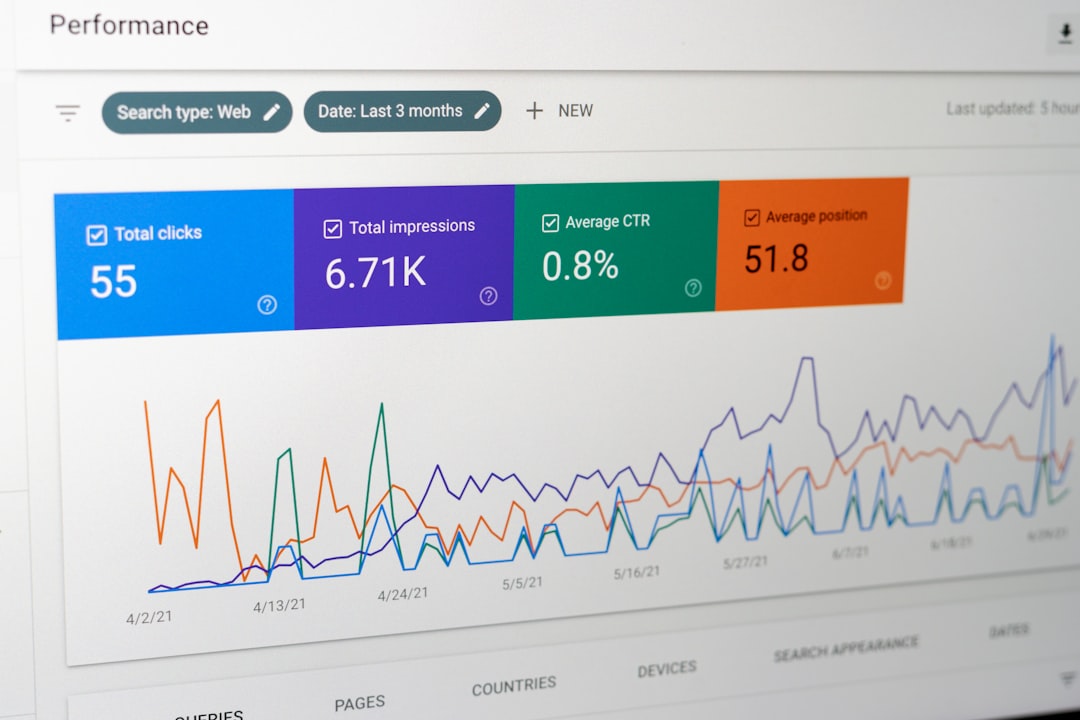
What Semrush is best at
Semrush is strongest when your question starts with “What are they ranking for?” or “What ads are they running?”
Here is what you can spy on with Semrush:
- Organic keywords: See which search terms bring them traffic.
- Keyword gaps: Find terms they rank for and you do not.
- Top pages: See which pages pull the most search visits.
- Backlinks: Find sites linking to them.
- Paid search ads: See PPC keywords and ad copy.
- Content ideas: Find blog posts that already work.
Let’s say you sell project management software. Your competitor ranks for “best task tracker for small teams.” Semrush may show that this one keyword has 2,900 searches per month. It may also show that their article gets traffic from 80 related keywords. Nice. Annoying. Useful.
Now you have a plan. Create a better article. Add clearer examples. Add pricing charts. Add screenshots. Build links to it. Then track your position.
Honestly, it feels like cheating when you find one weak competitor page ranking for a juicy keyword. But it is not cheating. It is research. The internet rewards the prepared.
Where Semrush gets annoying
Semrush has many tools. Too many, sometimes. You click one report. Then another. Then a small tab hiding under another tab. Expect to waste time on menus until you learn where everything lives.
The traffic numbers are also estimates. Do not treat them as holy truth. If Semrush says a page gets 5,000 visits, the real number could be higher or lower. Use it for direction. Not courtroom proof.
What Similarweb is best at
Similarweb shines when you want the big picture. It answers, “How are they getting attention?”
Here is what you can study with Similarweb:
- Total traffic: Estimate monthly visits.
- Traffic channels: See search, social, referrals, direct, email, and ads.
- Audience behavior: View visit duration, bounce rate, and pages per visit.
- Referral sites: Find who sends them traffic.
- Top countries: Spot where their audience lives.
- Competitor comparison: Compare several sites side by side.
This is gold for campaign planning. Say your rival gets 580,000 monthly visits. Similarweb shows 35% from direct traffic, 24% from organic search, 18% from referrals, and 11% from social. That tells a story.
Maybe their brand is strong. Maybe affiliates are helping. Maybe they got press. Maybe their LinkedIn posts are not as random as they look.
Where Similarweb gets annoying
Similarweb can feel broad. Very broad. You may know that a rival gets traffic from referrals, but not always the exact page that converts. That can be frustrating.
It drives me crazy that you can see a strong channel trend, then still need another tool to figure out the exact keyword, ad, or landing page behind it. Similarweb gives you the map. Sometimes you still need a flashlight.
Semrush vs Similarweb: quick comparison
| Need | Best Tool | Why |
|---|---|---|
| Find competitor keywords | Semrush | Better SEO keyword data and ranking reports. |
| Analyze paid Google ads | Semrush | Shows PPC keywords and ad examples. |
| Check total website traffic | Similarweb | Great for high-level traffic estimates. |
| Study traffic channels | Similarweb | Shows search, social, referral, email, and more. |
| Find backlink targets | Semrush | Strong backlink reports and link gap tools. |
| Compare market share | Similarweb | Better for seeing who owns attention overall. |
A simple competitor spying workflow
Do not open both tools and click like a raccoon in a snack drawer. Start with a question.
- Pick three competitors. Choose real rivals. Not giant brands you cannot fight yet.
- Use Similarweb first. Check who gets the most traffic and from where.
- Pick one strong channel. Maybe organic search. Maybe referrals. Maybe social.
- Use Semrush next. If search is strong, find the exact keywords and pages.
- Build your attack list. Choose 10 keywords, 5 backlink targets, and 3 content ideas.
- Track results monthly. Do not check every hour. That way lies madness.
Here is a mini case. A small ecommerce brand sells desk lamps. Similarweb shows that a competitor gets 22% of visits from referral sites. Semrush then shows backlinks from home office blogs and gift guides. The brand pitches 30 similar sites. Six reply. Three publish. Organic traffic rises 14% in two months. Not magic. Just copying the right clues.
Which tool should small teams choose?
If budget is tight, choose based on your main growth channel.
- Choose Semrush if SEO and Google ads matter most.
- Choose Similarweb if you need market research and channel data.
- Use both if competitors are beating you across search, social, referrals, and ads.
For most small marketing teams, I would start with Semrush. Search data turns into action fast. You can write a page. Fix a title. Build links. Launch an ad group. It feels practical.
For investors, agencies, product teams, and bigger brands, Similarweb is often the better first stop. It shows where attention flows. It helps you spot threats before they punch you in the spreadsheet.

Final verdict
Semrush helps you steal the playbook. Similarweb helps you see the whole game. That is the real difference.
If you want keywords, rankings, backlinks, and search ads, pick Semrush. If you want traffic trends, channel splits, audience data, and market share, pick Similarweb.
The best setup is simple. Use Similarweb to find where competitors are winning. Use Semrush to find the exact pages, keywords, and links doing the work. Then make something better. Less guessing. More winning. Still no trench coat required.