For most single-location restaurants, Buffer is the better day-to-day choice; for multi-location brands, franchises, and busy teams with customer service needs, Hootsuite is the stronger platform. Restaurants do not need social software that looks impressive in a demo but slows down the lunch rush. They need fast scheduling, clear approvals, reliable reporting, and a way to respond before a bad comment turns into a bad review.
TLDR: Choose Buffer if your restaurant needs simple scheduling for Instagram, Facebook, TikTok, LinkedIn, and Google Business posts without much training. Choose Hootsuite if you manage several locations, need team permissions, social listening, inbox workflows, and deeper reporting. For example, a three-location taco group posting 28 times per week could use Hootsuite to track response time and reduce missed comments by 30%, while a single café may save 4 to 6 hours per month with Buffer’s cleaner calendar.
Why social media tools matter for restaurants
Restaurant marketing is unusually time-sensitive. A rainy Tuesday can change the dinner plan. A chef’s special may sell out by 7 p.m. A tagged customer photo can perform better than a polished ad. If your team cannot post quickly, reply fast, and measure what worked, the software becomes another chore.
A good social media platform should help with five restaurant tasks:
- Scheduling posts for daily specials, events, holidays, and limited menus.
- Publishing to the channels where guests actually spend time.
- Monitoring comments, mentions, tags, and messages.
- Reporting on reach, clicks, engagement, and follower growth.
- Team control so managers, owners, and agencies do not step on each other’s work.
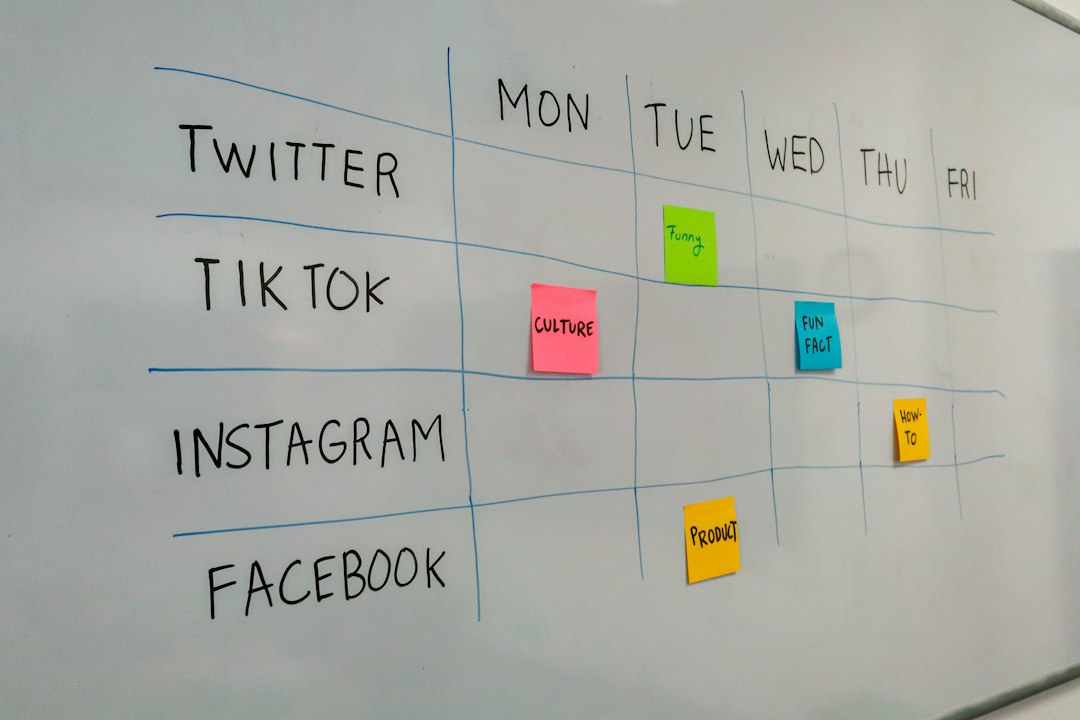
Buffer: best for simple restaurant scheduling
Buffer is built around clarity. Its publishing calendar is easy to understand, and most restaurant managers can learn the basics in one sitting. That matters. A tool used by a general manager between inventory checks and staff scheduling must be obvious.
Buffer works well for independent restaurants, cafés, bakeries, food trucks, and bars that need planned posts rather than a full customer support system. You can queue posts, reuse successful ideas, and keep a steady rhythm across major social channels. Its interface is less crowded than Hootsuite’s, which reduces mistakes.
Honestly, it feels like Buffer was made for teams that do not want a meeting about the social media tool. You open it, write the caption, add the image, pick the channel, and schedule. That is a serious advantage when your “marketing department” is also handling payroll and vendor calls.
Where Buffer helps restaurants most
- Weekly content planning: Schedule brunch posts, happy hour reminders, chef features, and event promos in one batch.
- Visual calendar: See gaps before they hurt consistency.
- Cleaner approval flow: Useful when an owner wants to review posts before they go live.
- Affordable growth: Good fit for restaurants watching every cost.
- Low training burden: New managers can pick it up quickly.
Buffer reporting is useful, but not as deep as Hootsuite’s. You can track post performance and see which content gains traction. For a single restaurant, that may be enough. If the goat cheese flatbread video gets 2,400 views and 68 saves, you know to repeat that format. You do not always need a complex dashboard to make a better post next week.
Hootsuite: best for larger restaurant operations
Hootsuite is more powerful, but also heavier. It is better suited to restaurants with multiple locations, regional marketing teams, agencies, or high social volume. If your brand receives many comments, direct messages, tagged posts, and complaints, Hootsuite gives you more control.
Its strengths include social listening, advanced reporting, streams for monitoring activity, permission settings, and a unified inbox. These features matter when several people manage the same brand. A franchise group cannot afford duplicate replies, missed complaints, or one location posting an off-brand offer.
The catch is that Hootsuite can feel crowded. Expect to spend more time setting up streams, permissions, and reports. On a busy day, even 20 extra seconds to find the right view can feel annoying. For a small restaurant, that extra weight may not pay off.

Where Hootsuite helps restaurants most
- Multi-location control: Manage brand pages, location pages, and regional campaigns from one place.
- Inbox management: Assign messages or comments to staff and track completion.
- Social listening: Monitor brand mentions, competitor activity, and local conversations.
- Stronger reporting: Build reports for owners, investors, or franchise operators.
- Team permissions: Limit who can publish, approve, or edit content.
For example, a 12-location pizza brand may run a “kids eat free” campaign every Tuesday. Hootsuite can help compare location-level engagement, track incoming questions, and identify which stores need support. If one location gets 40 comments and another gets 4, the marketing team can look at timing, creative quality, and local audience size.
Scheduling and publishing comparison
Buffer wins on speed and ease. Its publishing workflow is simpler. This is valuable for restaurants posting fresh content from a phone, such as a new dessert, a packed patio, or a sold-out sign.
Hootsuite wins on control. It offers more structure for teams that need oversight. If posts require legal approval, brand review, or manager sign-off, Hootsuite is safer.
For a single bistro, Buffer’s clean queue is usually enough. For a franchise group planning national campaigns and local posts at the same time, Hootsuite is more practical.
Engagement and customer service
Restaurants live and die by response speed. Guests ask about reservations, allergies, parking, hours, private events, and menu changes. Some also complain publicly. A missed message can cost a booking. A slow reply can make the restaurant look careless.
Hootsuite is stronger for engagement management. Its inbox tools and monitoring streams are better for active conversation tracking. This helps when more than one employee replies to guests.
Buffer is fine for lighter engagement. If your restaurant receives a manageable number of comments, Buffer can support the basics. But if your Instagram inbox is full every weekend, Hootsuite gives you more room to work.
Analytics and reporting
Both platforms offer analytics, but they serve different needs.
- Buffer analytics: Better for quick decisions. See which posts performed well and adjust your content plan.
- Hootsuite analytics: Better for structured reporting across teams, channels, and locations.
A restaurant owner may only need to know that Reels with kitchen prep shots get 42% more engagement than static menu posts. A marketing director may need monthly reports by location, campaign, social channel, and response time. That is where Hootsuite makes more sense.
Cost and value
Buffer is usually the more budget-friendly option for smaller teams. It gives restaurants the main thing they need: consistent publishing without much friction. If social media is one part of a manager’s job, Buffer offers strong value.
Hootsuite usually costs more, especially as teams and features grow. That cost can be justified when social media affects guest service, brand safety, and location performance. If your restaurant group handles hundreds of comments per month, pays an agency, or reports to stakeholders, the higher cost may save real labor.
Best choice by restaurant type
- Independent café: Choose Buffer. Keep posting simple and consistent.
- Fine dining restaurant: Choose Buffer if one person manages social. Choose Hootsuite if reputation monitoring is critical.
- Food truck: Choose Buffer. Fast scheduling and quick updates matter most.
- Bar or nightclub: Choose Buffer for event promotion. Choose Hootsuite if messages and comments surge during weekends.
- Multi-location restaurant group: Choose Hootsuite. Team controls and reporting are worth it.
- Franchise operation: Choose Hootsuite. Brand consistency and permissions matter too much.
Practical recommendation
If your restaurant posts fewer than 20 times per week and has one or two people managing accounts, start with Buffer. It is simpler, cleaner, and easier to keep using. Consistency beats complexity.
If your restaurant has several locations, many customer messages, formal approvals, or agency support, choose Hootsuite. It has more tools for control, reporting, and response management.
The best platform is the one your team will actually use during a hard service week. For most small restaurants, that means Buffer. For serious multi-location social operations, Hootsuite is the safer long-term choice.