Pick Brandwatch if you need deep, careful emoji analysis. Pick Talkwalker if you want fast social discovery, strong visuals, and easier reporting for broad brand tracking.
TLDR: Brandwatch is better for teams that want custom rules, clean segments, and deeper sentiment checks around emojis. Talkwalker is better for quick trend spotting, viral post tracking, and pretty reports. For example, a snack brand tracking “🔥” after a new chip launch might find that Brandwatch marks 72% of emoji posts as positive, while Talkwalker spots that 38% of the buzz came from TikTok videos in the first 48 hours. Use Brandwatch for analysis depth. Use Talkwalker for speed and show-and-tell reports.
Why emoji tracking matters
Emojis are tiny. But they say a lot.
A “😍” can mean love. A “💀” can mean “I am laughing.” A “👀” can mean “I am watching this brand very closely.” Sometimes that is good. Sometimes it is trouble.
That is the fun part. Also the annoying part.
Consumers do not always write, “I enjoyed this product.” They write, “This slaps 🔥🔥🔥.” Or “Never again 🤢.” If your social listening tool misses the emoji, it misses the mood.
That is why Brandwatch and Talkwalker both matter. They help brands read the emotion hiding inside comments, posts, reviews, captions, and memes.
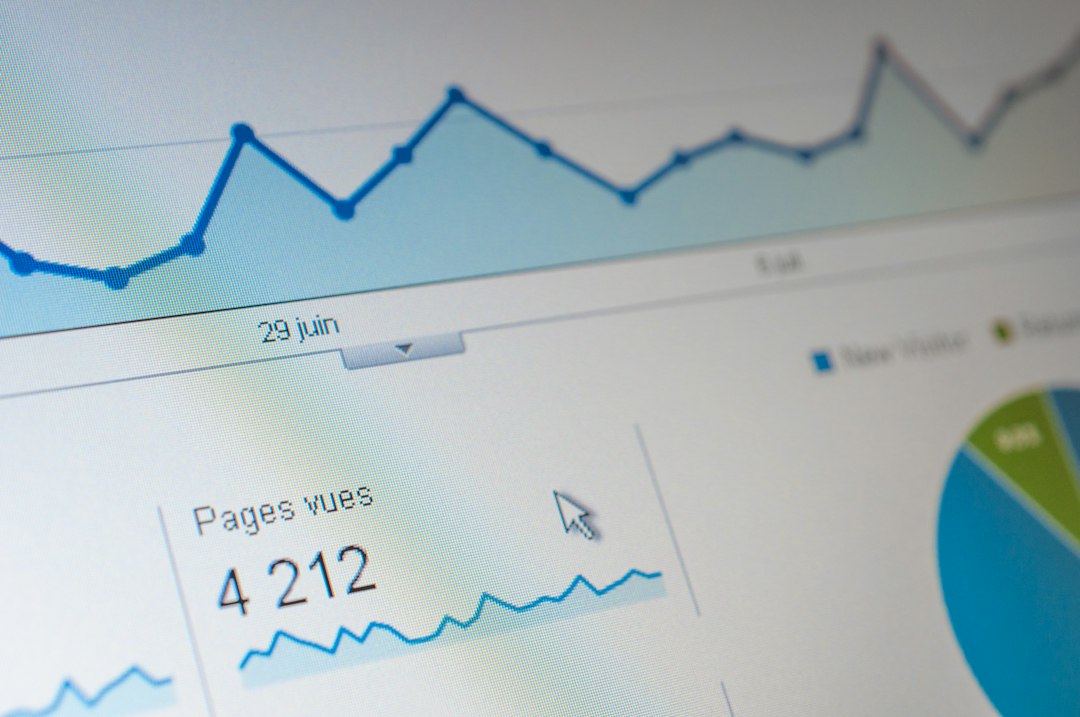
Brandwatch for tracking emoji
Brandwatch is strong when you need control.
It lets teams build detailed searches. You can track single emojis. You can track combinations. You can pair emojis with product names, competitor names, hashtags, or complaint terms.
For example:
- “Brand name” plus “😍”
- “Product name” plus “🤢”
- “Delivery” plus “😡”
- “New flavor” plus “🔥”
This is useful because emojis are messy. Really messy.
The “🔥” emoji can mean hot, cool, spicy, popular, angry, or actual fire. A beauty brand may love “🔥.” A home insurance company may not.
Brandwatch gives you room to fix that. You can create rules. You can group emoji meanings. You can train categories. You can split posts by region, source, gender, age group where available, and topic.
It is great for larger teams. It is also great for brands with many products.
Best Brandwatch use case: A global coffee brand wants to know if “☕ + 😍” is growing in the UK, while “☕ + 😡” is growing in the US after a price change. Brandwatch can help the team compare markets and spot the reason behind the mood shift.
Where Brandwatch can be a pain
Honestly, it feels like Brandwatch can make you work for the good stuff.
The tool is powerful. But setup can take time. Emoji logic needs testing. Queries can get fussy. One wrong rule can pull in junk.
Expect to waste time cleaning strange emoji cases. Skin tone modifiers. Repeated emojis. Emoji plus slang. Emoji used in jokes. Emoji used in spam.
Still, if you care about accuracy, that cleanup is often worth it.
Talkwalker for tracking emoji
Talkwalker is strong when you want quick visibility.
It is good at showing what is spreading. Fast.
If a post with “😭” and your brand name suddenly jumps from 200 mentions to 4,000 mentions, Talkwalker can help you see the spike. It can also show where it came from. Maybe TikTok. Maybe X. Maybe Reddit. Maybe a news story.
Talkwalker is also friendly for teams that need reports. The dashboards are clear. The charts are easy to share. The visual side is strong.
That helps when your boss asks, “Are people happy or angry?” You can show the answer without giving a 40-minute lecture about query syntax. Thank goodness.
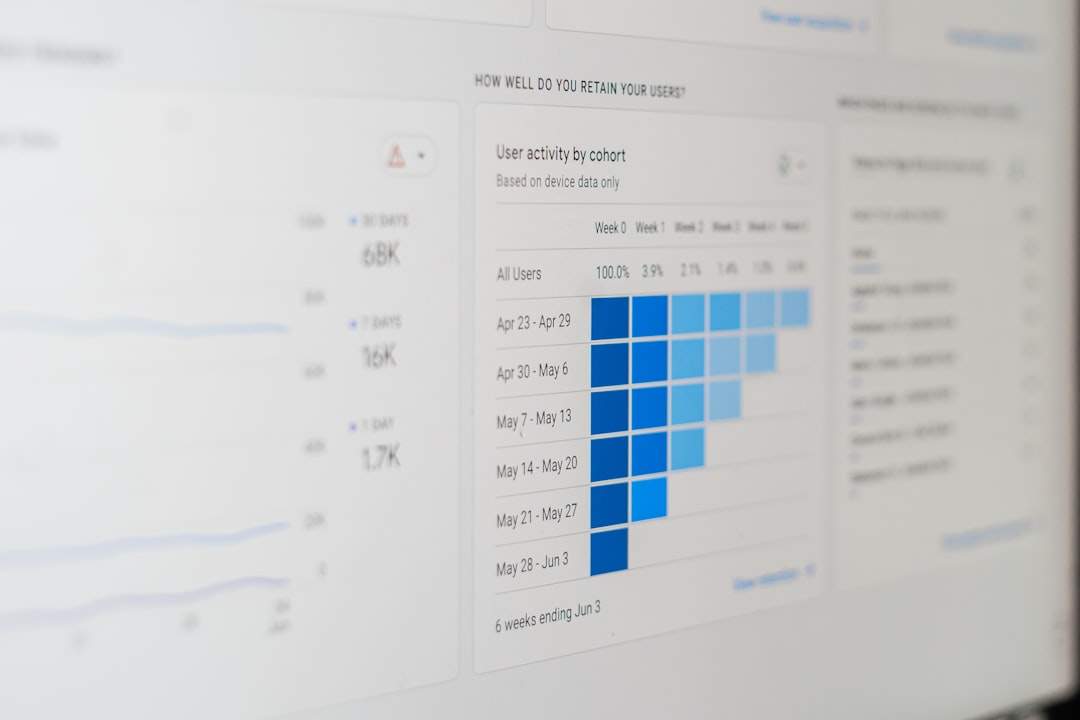
Best Talkwalker use case: A fashion brand launches a limited hoodie. The team tracks “🖤,” “🔥,” and “😍” across Instagram, TikTok, X, and forums. Talkwalker shows that 61% of positive emoji mentions came from creator posts. It also shows that one TikTok review drove 24% of total engagement.
Where Talkwalker can annoy you
Talkwalker is smooth. But it can feel lighter when you need very fine logic.
You may want to split “💀” into jokes, shock, disgust, and sarcasm. That can take more manual review. It may not always read niche slang the way your audience uses it.
This drives me a little mad with emoji sentiment tools in general. They act confident. Then a teenager writes “I’m dead 💀” under a great ad, and the machine thinks someone is upset.
So yes, Talkwalker is fast. But you still need human checks.
Sentiment analysis: who wins?
Brandwatch wins for careful sentiment work.
It is better when your team needs custom categories and deeper checks. You can build rules around context. You can separate joy, anger, confusion, sarcasm, intent to buy, and complaints.
Talkwalker wins for fast sentiment reporting.
It helps teams see the overall mood quickly. It is useful for campaign tracking, PR response, and weekly reports.
Here is a simple way to think about it:
- Brandwatch: “Why did people use this emoji?”
- Talkwalker: “Where is this emoji trend spreading?”
- Brandwatch: Better for research teams.
- Talkwalker: Better for comms and marketing teams.
A simple emoji tracking example
Imagine a soda brand launches a sour cherry drink.
The team tracks these emojis:
- 🍒 for flavor mentions
- 😍 for love
- 🤢 for dislike
- 🔥 for hype
- 🥴 for confusion or weird taste
In seven days, the campaign gets 18,500 mentions.
Brandwatch might show that 64% of “🔥” posts also mention “sour” or “best flavor.” That suggests real excitement. It might also show that “🥴” appears most often with “aftertaste.” That is a product issue.
Talkwalker might show that emoji mentions rose 220% after one creator posted a taste test. It might also show that Instagram had more “😍,” while Reddit had more “🤢.” That helps the team respond by channel.
Both tools help. They just help in different ways.
What to track besides the emoji
Do not track emojis alone. That is how brands get weird data.
Track the full context.
- Words near the emoji: “love,” “broken,” “late,” “worth it”
- Post source: TikTok, Reddit, Instagram, reviews, news
- Audience group: fans, customers, creators, critics
- Timing: before launch, launch day, after complaints
- Repeated emojis: one “🔥” is nice, five “🔥” is a signal
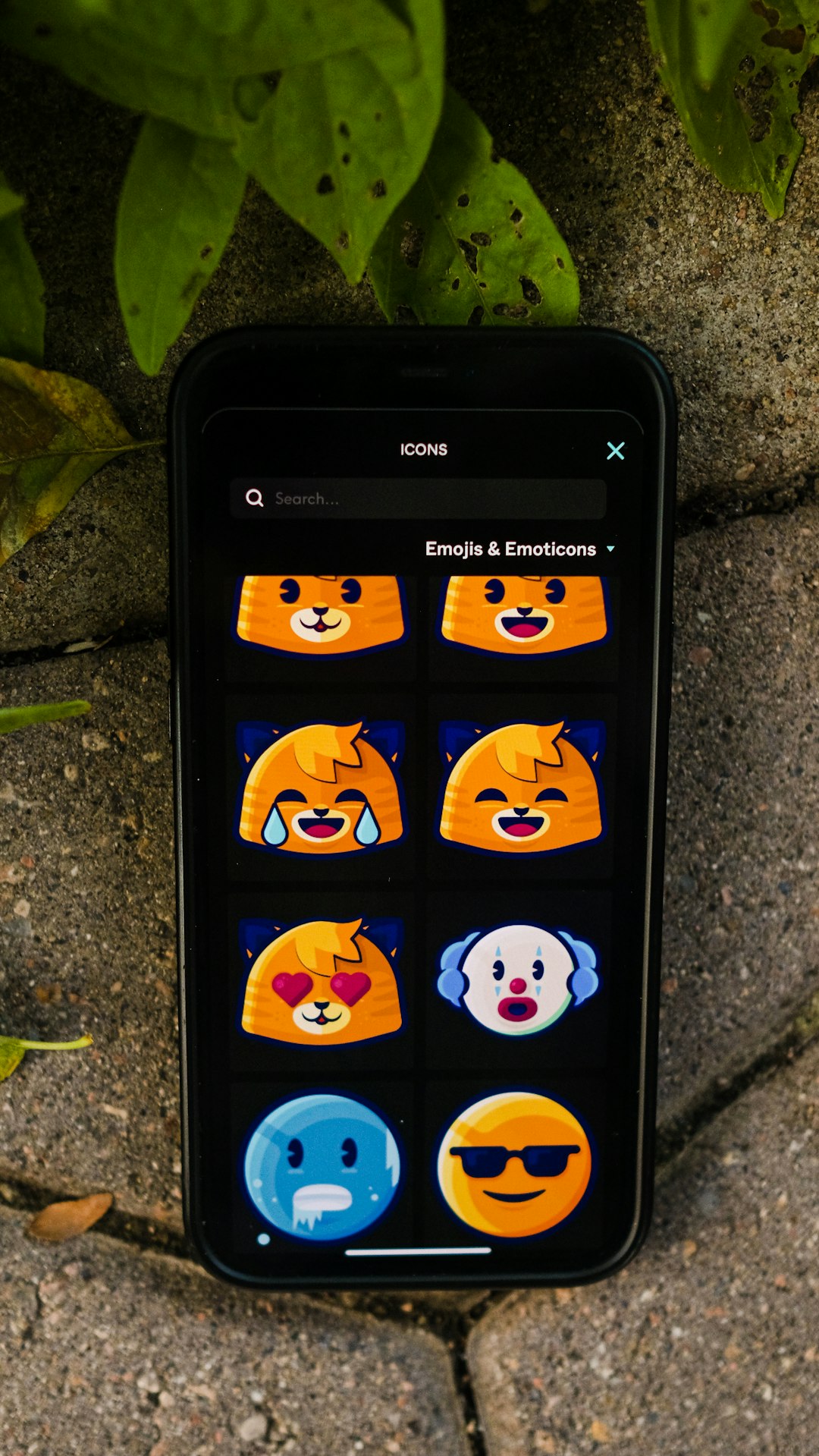
Quick comparison
- Ease of use: Talkwalker feels simpler for quick reporting.
- Deep research: Brandwatch has the edge.
- Emoji context: Brandwatch is stronger with custom setup.
- Trend spotting: Talkwalker is very strong.
- Executive reports: Talkwalker is easier to present fast.
- Complex queries: Brandwatch gives more control.
Which one should you choose?
Choose Brandwatch if your team asks hard questions.
Questions like:
- Which emoji predicts purchase intent?
- Which product feature causes “😡”?
- Is “💀” positive for our audience?
- Are complaints rising in one country?
Choose Talkwalker if your team needs quick answers.
Questions like:
- Which emoji is trending today?
- Which post caused the spike?
- Is the campaign mood positive?
- What should we show in Monday’s report?
Final take
Emoji tracking is not silly. It is consumer sentiment in costume.
Brandwatch is the better pick for deep analysis, custom sentiment work, and research-heavy teams. Talkwalker is the better pick for quick trend tracking, visual reports, and campaign monitoring.
If you can test both, do it with the same emoji set. Use 10 to 20 emojis. Include positive, negative, and weird ones. Then compare the results after two weeks.
The winner is not the tool with the prettiest chart. It is the tool that best explains what your customers mean when they type “😭🔥💀” and hit send.