If you want the cheapest RV storage, try a trusted neighbor first. If you want cameras, gates, staff, and fewer awkward texts, use public storage. The best choice depends on your RV size, your budget, and how often you need access.
TLDR: Neighbor storage is often cheaper and closer to home. Public storage usually gives better security, clearer rules, and more space choices. For example, if a public RV spot costs $180 per month and a neighbor charges $90, you save $540 over six months. But if your RV is worth $70,000, paying more for cameras and a locked gate may feel very fair.
What “neighbor storage” means
Neighbor storage is simple. Someone nearby has extra space. You rent it.
That space could be:
- A driveway
- A side yard
- A barn
- A gravel pad
- A large private lot
- A carport or covered area
It can be very casual. Sometimes it is arranged through a storage marketplace. Sometimes it is just Bob down the street with three acres and a lawn chair.
Honestly, it feels like the RV version of borrowing a cup of sugar. Except the sugar is 32 feet long and blocks the sun.
What public RV storage means
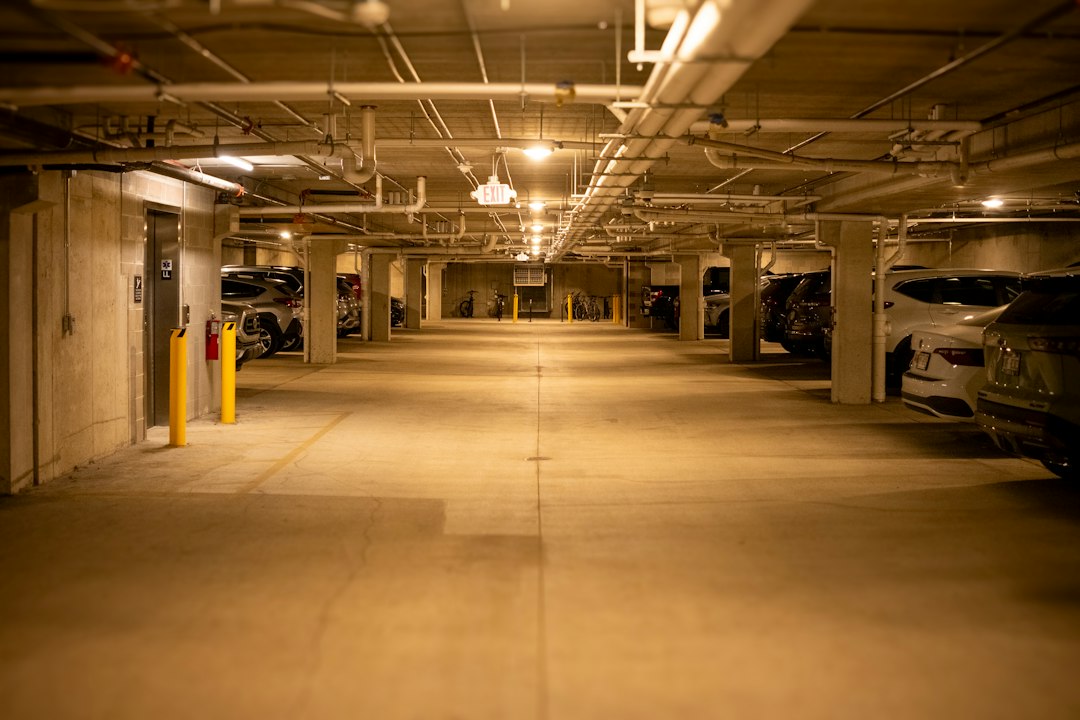
Public RV storage is a business. You rent a spot at a storage facility. It may be open parking, covered parking, or enclosed indoor storage.
Common features include:
- Gated access
- Security cameras
- Lighting
- Online payments
- Monthly contracts
- Staff on site during business hours
- Wider drive lanes for big rigs
Some places also offer dump stations, air pumps, washing areas, and battery charging. Fancy? Yes. Useful? Also yes.
Cost: neighbor usually wins
RV storage prices vary a lot. Location matters. Size matters. Covered storage costs more. Indoor storage costs even more.
Here is a simple price range:
- Neighbor driveway spot: $50 to $150 per month
- Public outdoor RV spot: $100 to $250 per month
- Covered public RV spot: $150 to $400 per month
- Indoor public RV storage: $250 to $600+ per month
Neighbor storage is often cheaper because there is less overhead. No office. No giant gate. No staff. No big sign with a smiling cartoon lock.
But cheaper is not always better. A $60 spot under a dripping tree may cost you more later. Sap, branches, bird attacks, and muddy tires are not free problems.
Security: public storage usually wins
Most RV owners worry about theft, break-ins, and weather damage. Fair enough. RVs are expensive toys. Some cost more than a small house in a tiny town.
Public storage tends to offer stronger security. Look for:
- Keypad gates
- 24 hour cameras
- Good lighting
- Fenced lots
- On site managers
- Individual access codes
Neighbor storage can still be safe. A private barn may be better than an open public lot. A nosy retired neighbor may spot trouble faster than any camera. Never underestimate a person with binoculars and free time.
The catch is that security can be uneven. One neighbor’s place may be spotless. Another may have loose dogs, poor lighting, and a gate held shut with hope.
Image not found in postmetaAccess: ask before you park
This part matters more than people think. Can you pick up your RV at 6 a.m. on Saturday? Can you drop it off late Sunday night after a camping trip?
Public storage often has set access hours. Some offer 24 hour access. Others do not. Read the rules. Do not assume.
Neighbor storage may be flexible. Or not. Your host may need you to text first. They may have kids, dogs, work calls, or a very narrow driveway.
It drives me crazy when a “quick pickup” turns into 18 minutes of moving cars, opening gates, and trying not to crush a flower bed. Ask about turning room. Ask about slope. Ask about backing up. Your future self will thank you.
Space and fit: measure twice, park once
RVs are rude about space. They look big on the road. Then they become enormous in a driveway.
Before choosing any storage spot, know these numbers:
- Total length
- Width with mirrors
- Height with roof gear
- Turning radius
- Weight, if parking on grass or soft ground
A neighbor may say, “Sure, it will fit.” That is sweet. It is not a measurement.
Bring a tape measure. Check tree branches. Check power lines. Check fence posts. Check the angle from the street. A perfect storage pad is useless if you cannot back into it without creating a neighborhood event.
Weather protection: covered beats open air
Sun, rain, snow, hail, and wind beat up an RV over time. UV rays fade paint. Water finds tiny cracks. Tires dry out. Roof seals get cranky.
Public storage gives more choices here. You may find outdoor, covered, or indoor storage at the same facility.
Neighbor storage can also offer great cover. A barn, metal shed, or tall carport can be excellent. But check the height. Check leaks. Check the floor. Dirt floors can hold moisture.
If your RV sits for months, covered storage is worth a serious look. If you use it every other weekend, outdoor storage may be fine with a good cover and regular checks.
Insurance and contracts: boring but useful
Yes, this part is dull. Still, it can save you from a money headache.
Ask these questions:
- Does your RV insurance cover storage damage?
- Does the host or facility carry insurance?
- Who is responsible for theft?
- Who pays if a tree falls?
- Can you cancel with short notice?
- Are there late fees?
Public storage usually has a written rental agreement. That helps. Read it. Some contracts limit their responsibility for damage or theft.
Neighbor storage should also be written down. Even a simple agreement is better than a handshake and a smile. Include rent, access times, notice period, and rules.
Pros of neighbor RV storage
- Lower cost. This is the big one.
- Close to home. You may find a spot blocks away.
- Flexible deals. Some hosts allow short stays.
- More personal. You deal with a real person.
- Hidden gems. Barns and private lots can be great.
Cons of neighbor RV storage
- Security varies a lot.
- Access may depend on the owner.
- Driveways can be tight.
- Rules may be unclear.
- Insurance may be limited.
- Awkward conversations can happen.
Pros of public RV storage
- Better security features. Gates and cameras help.
- Clear rules. You know what to expect.
- More parking types. Outdoor, covered, or indoor.
- Easier for large RVs. Many lots are built for them.
- Professional setup. Billing and access are organized.
Cons of public RV storage
- It costs more.
- Good spots fill up fast.
- Facilities may be far away.
- Access hours can be annoying.
- Extra fees may pop up.

Which option fits you best?
Choose neighbor storage if you want to save money, store close to home, and only need basic parking. It is a great fit for older RVs, seasonal use, and owners who like simple deals.
Choose public storage if your RV is newer, pricey, or hard to replace. It is also better if you want cameras, gates, wide lanes, and less personal back-and-forth.
Here is a quick rule:
- Budget first? Try neighbor storage.
- Security first? Pick public storage.
- Need cover? Compare both.
- Have a giant rig? Visit before renting.
- Need odd hour access? Ask first, always.
Final pick
For many RV owners, the sweet spot is simple. Start by checking neighbor storage within 5 miles. If the space is clean, safe, and easy to reach, you may save a lot.
If the spot feels sketchy, move on. No bargain is worth stress every time clouds roll in.
Public storage costs more, but it buys structure. That can be worth it. Especially when your RV is your weekend escape machine, your family road trip castle, and your favorite excuse to leave town.
Best answer: use neighbor storage for savings and convenience. Use public storage for security and peace of mind. Either way, measure the spot, read the rules, and keep your RV ready for the next adventure.