Yes, Chime is generally safe for everyday banking. Your money can be FDIC insured up to $250,000 through Chime’s partner banks, The Bancorp Bank, N.A. and Stride Bank, N.A., Members FDIC [source: Chime]. But Chime is not a bank. It is a financial technology company. That matters when you compare it with SoFi, Varo, Current, and other digital banking apps.
TLDR: Chime is safe for most people who want fee-free spending, early direct deposit, and a simple app. For example, if your paycheck is $1,500, Chime may let you get it up to 2 days early, depending on your employer and payroll timing. SoFi feels stronger if you want banking plus investing and loans. Varo may feel more “bank-like” because it is an actual bank, not just a fintech app.
So, is Chime actually a bank?
Nope. Chime is a fintech company. That sounds fancy, but it just means Chime builds the app and user experience. The actual banking services come from partner banks.
This is common. Many money apps work this way. Current also uses partner banks. Cash App does too for some services. The app is the front door. The bank behind it holds the money.
That setup can be perfectly safe. Still, it can make problems more annoying. If something goes wrong, you may deal with app support, bank rules, and card network rules. Honestly, it feels like calling three people to fix one toaster.
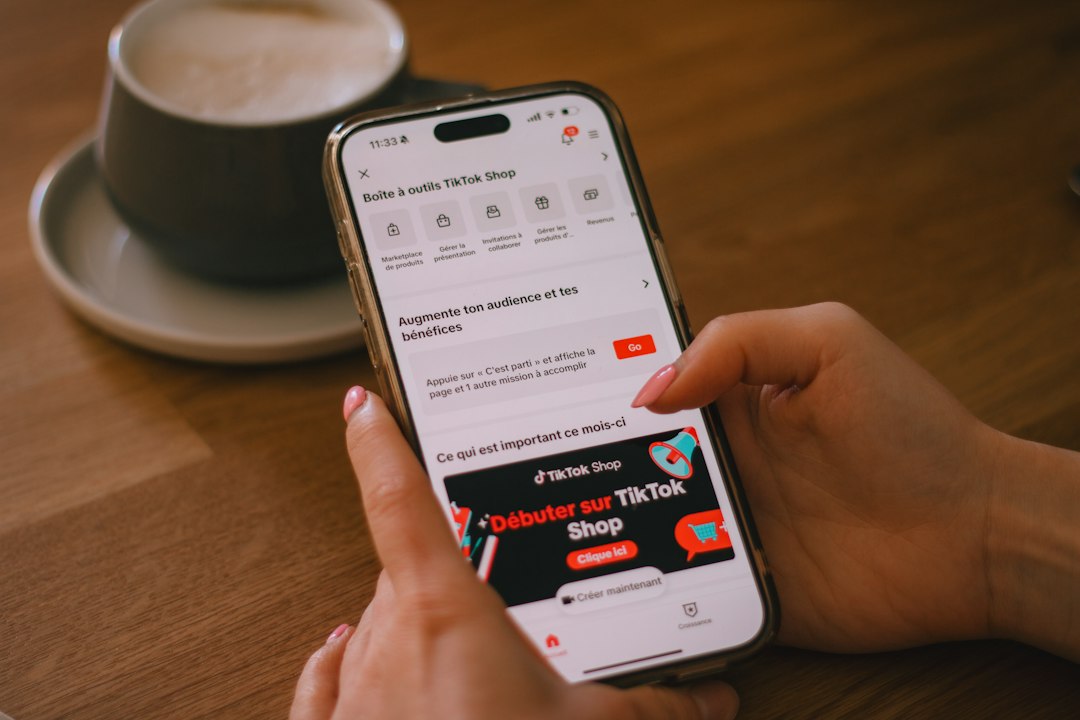
What makes Chime safe?
- FDIC insurance: Eligible deposits are insured up to $250,000 through partner banks.
- Card controls: You can block your card in the app if it vanishes into the couch void.
- Alerts: Chime can send transaction alerts, so weird charges stand out fast.
- No overdraft fees: SpotMe may cover small overdrafts for eligible users, without a fee.
- Simple app design: Most tasks are easy to find. That matters when your rent is due.
Chime is best for basic money tasks. Get paid. Pay bills. Use a debit card. Save a bit. Avoid fees. Nice and clean.
Where Chime can be annoying
Chime is not perfect. No app is. The biggest pain point is support. If your account gets locked or a deposit is delayed, you may not be able to walk into a branch. There are no Chime branches.
Expect to waste time on chat or phone support if something strange happens. A frozen card can turn a quick grocery run into a sad cart abandonment story.
Also, Chime is not great for cash-heavy users. You can add cash at retail partners, but fees may apply depending on where you go. If you deposit cash every week, a local credit union may be less of a headache.
Chime vs. Current
Current is also a digital banking app. Like Chime, it is not a traditional bank. Banking services are provided by partner banks.
Current is popular with younger users and people who want fast direct deposit, budgeting tools, and a slick app. It also offers “pods” for saving money. Think of them like little money buckets.
Chime wins if you want a very simple experience and fewer distractions. Current wins if you like extra app features and teen banking options.
Both are safe enough for normal use if your funds qualify for FDIC insurance. But neither is ideal if you want in-person help.
Chime vs. SoFi
SoFi is more than a spending app. It has banking, investing, loans, credit cards, and more. SoFi Bank, N.A. is an FDIC-insured bank [source: SoFi].
That gives SoFi a more complete feel. You can keep more of your financial life in one place. That is handy. It can also feel like too much if you only want a debit card and a paycheck account.
Chime wins for simplicity. SoFi wins for people who want savings rates, lending, investing, and bigger financial tools in one app.
Chime vs. Varo
Varo is different. Varo Bank, N.A. is a real national bank. It does not just sit on top of partner banks. That can make it feel more direct.
Varo offers checking, savings, cash advances, and early direct deposit. It is close to Chime in spirit. Both are built for people who hate bank fees. Same, honestly.
Chime wins for brand size and a very clean app. Varo wins if you want your app provider to also be the bank.
How Chime compares with other apps
- Cash App: Better for sending money to friends. Less ideal as your main bank.
- PayPal: Great for online payments. Not as smooth for paycheck banking.
- Ally: A strong online bank with savings and CDs. Less flashy, but dependable.
- Capital One 360: Good if you want online tools plus some physical locations.
- Revolut: Nice for travel tools. Check limits and protections in your country.
Who should use Chime?
Chime is a good fit if you want:
- No monthly maintenance fees.
- Early direct deposit.
- A simple debit card account.
- Basic savings tools.
- An app that does not feel like a spreadsheet with buttons.
Chime may not be your best pick if you need:
- Branch access.
- Wire transfers.
- Complex business banking.
- Frequent cash deposits.
- Instant human help every time.

Quick safety tips for Chime users
- Turn on alerts. Catch odd charges early.
- Use a strong password. Not your dog’s name plus 123.
- Lock your card fast if it is lost.
- Keep a backup account. Even $100 elsewhere can save your day.
- Check deposit rules. FDIC insurance has limits and conditions.
The simple answer: Chime is safe for everyday banking, as long as you understand what it is. It is a fintech app with FDIC-insured partner banks behind it. For simple spending, early pay, and low fees, it is a strong choice. For full-service banking, SoFi, Varo, Ally, or Capital One may fit better.