For organizations that publish content across email, social media, paid ads, SMS, print materials, partner campaigns, and offline-to-online experiences, link management is no longer a minor operational task. It has become a key part of measuring how audiences respond to content. BL.INK, an enterprise-focused link management company, positions itself as more than a URL shortener by offering branded links, campaign tracking, QR code support, governance tools, integrations, and analytics that help teams understand engagement across distributed content channels.
TLDR: BL.INK is a strong link management platform for companies that need reliable branded links and practical content analytics across many campaigns, teams, and channels. Its analytics are especially useful for measuring clicks, traffic sources, devices, geography, and campaign-level engagement. However, it should be viewed as a link analytics and attribution layer, not a complete replacement for broader web analytics platforms. For enterprise teams focused on governed, trackable content distribution, BL.INK offers a valuable and scalable solution.
Overview of BL.INK as a Link Management Company
BL.INK provides tools that allow companies to create, manage, track, and optimize short links. Unlike basic URL shorteners, it focuses heavily on brand control, enterprise governance, and analytics visibility. Organizations can use branded domains, organize links by campaigns or teams, apply tracking parameters, monitor performance, and integrate link data with other marketing and analytics systems.
Its value is clearest in organizations where content is distributed by multiple stakeholders. A company may have marketing teams, sales teams, partner teams, customer support departments, and regional offices all sharing links. Without structured link management, content performance data can become fragmented. BL.INK attempts to solve this by creating a centralized environment where links are easier to control, measure, and standardize.

How BL.INK Supports Content Analytics
Content analytics focuses on understanding how audiences interact with content. In BL.INK’s case, the primary layer of measurement begins with the link click. Every click can provide useful signals, including where the click came from, when it happened, what device was used, and which campaign or content asset generated the interaction.
BL.INK helps content teams evaluate questions such as:
- Which content assets are attracting the most clicks?
- Which channels are driving engagement?
- Which regions or audience segments are responding?
- Which campaigns need optimization?
- Which links should be updated, redirected, or retired?
This is particularly useful when content is shared outside a company’s own website. For example, a blog article promoted through LinkedIn, email newsletters, SMS campaigns, and printed QR codes may generate traffic from several sources. BL.INK can help separate and compare those touchpoints, giving content teams a clearer view of distribution performance.
Strengths in Click and Campaign Tracking
One of BL.INK’s core strengths is its ability to track link engagement at a detailed level. For content analytics, this matters because links often act as the bridge between promotion and consumption. A content asset may be well written, but if its distribution links are not tracked properly, the organization may struggle to understand which promotional efforts are working.
BL.INK enables teams to create trackable links for individual campaigns, posts, documents, webinars, product pages, videos, and landing pages. The platform can help compare link performance over time and provide campaign-level reporting. This makes it easier for content managers to identify patterns, such as which newsletter sections receive the most engagement or which social media posts generate the highest click-through activity.
Branded short links are another important feature. They can improve trust and recognition compared with generic shortened URLs. In content analytics, trust can indirectly affect engagement because audiences may be more willing to click links that clearly belong to a known brand. This makes BL.INK useful not only for tracking, but also for improving the presentation and credibility of shared content.
Role in Multi-Channel Content Distribution
Modern content programs rarely rely on a single channel. A white paper may be promoted by email, social posts, sales representatives, paid campaigns, partner newsletters, QR codes at events, and customer onboarding materials. BL.INK gives teams a way to create unique links for each distribution scenario, allowing better comparison across channels.
This is where BL.INK’s content analytics value becomes very practical. Instead of simply knowing that a page received traffic, a company can understand which link placement contributed to that traffic. For example, a webinar registration page may receive clicks from three different promotional channels. BL.INK can help identify whether the email campaign outperformed social promotion or whether a QR code at an event produced meaningful engagement.
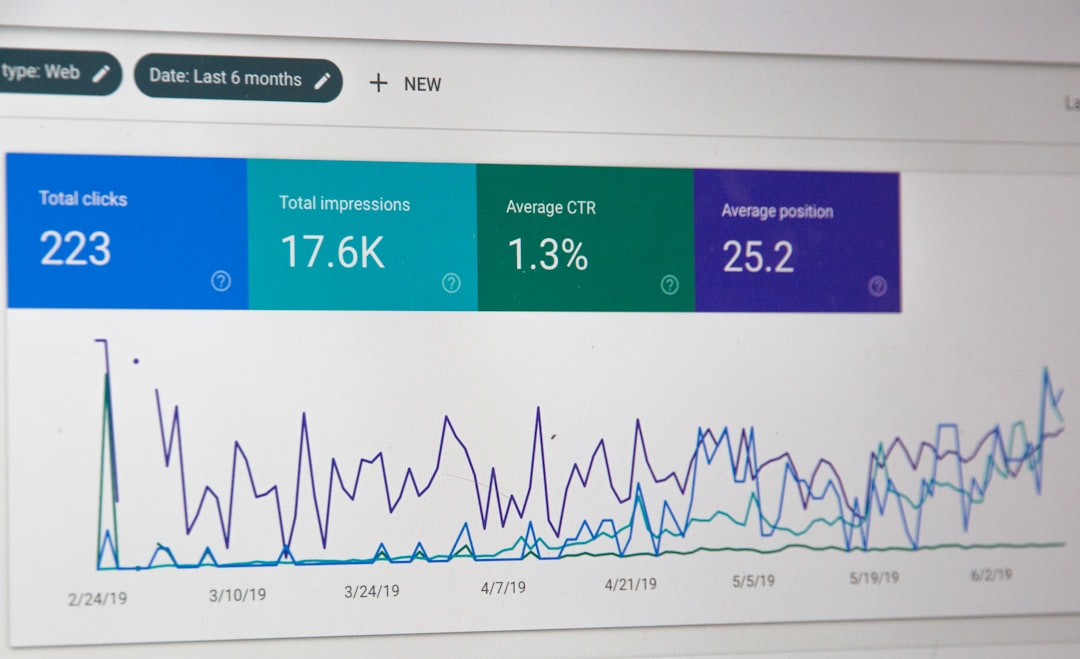
This level of visibility helps content teams make better decisions about budget, creative direction, audience targeting, and publishing frequency. If a specific format or channel consistently underperforms, teams can adjust their strategy. If a particular campaign link performs exceptionally well, it can be studied and repeated.
Enterprise Governance and Team Collaboration
BL.INK’s enterprise orientation is one of its major differentiators. Large organizations often need more than analytics; they need controls. Content links may be created by many employees, contractors, partners, or agencies. Without oversight, inconsistent naming, broken links, duplicate URLs, and missing tracking parameters can weaken analytics quality.
BL.INK supports more organized link management through administrative controls, user roles, domain management, and structured workflows. This contributes directly to content analytics because analytics are only useful when the underlying data is consistent. If teams define campaigns differently or create links without naming standards, reports become harder to trust.
For large marketing departments, the ability to standardize link creation can reduce errors and improve attribution. It can also support compliance needs, especially in industries where brand consistency and data control are important. BL.INK’s governance features make it a suitable choice for organizations that require both flexibility and oversight.
Analytics Depth and Reporting Capabilities
BL.INK provides analytics that are highly relevant to link-level performance. Typical data points may include click volume, timestamps, geographic information, referrers, device types, operating systems, and campaign identifiers. For content teams, these metrics can reveal when, where, and how audiences are engaging with shared links.
The platform is useful for answering tactical performance questions. For example, a content manager may want to know whether a case study link performed better in one region than another, or whether mobile users are more likely to click a promotional SMS link. BL.INK can support this type of analysis by providing link-level engagement data.
However, BL.INK’s analytics should be understood within its proper scope. It measures link interactions, not the full content journey after the click. It may show that a user clicked a link, but deeper behavioral questions, such as how long the user stayed on the page, whether the user scrolled, or whether the user converted later, usually require integration with web analytics, CRM, marketing automation, or business intelligence tools.
Integration with Broader Analytics Systems
BL.INK is most valuable when it functions as part of a larger analytics ecosystem. Link click data becomes more powerful when connected to platforms such as web analytics tools, CRM systems, marketing automation platforms, or data warehouses. This allows companies to connect top-of-funnel link engagement with downstream outcomes, such as form submissions, purchases, demo requests, or customer renewals.
For example, a company may use BL.INK to track which campaign link generated the initial click, while a separate analytics platform tracks on-page behavior and conversions. When these systems are aligned through UTM parameters or integrations, content teams gain a more complete picture of performance.
This is an important evaluation point: BL.INK is not necessarily designed to replace platforms that specialize in full user journey analytics. Instead, it strengthens the link management and attribution layer. For companies with complex distribution networks, that layer can be essential.
Benefits for Content Teams
BL.INK offers several benefits for content teams that need to measure and manage distributed content more effectively:
- Centralized link control: Teams can manage links from one platform instead of relying on scattered spreadsheets or disconnected tools.
- Improved campaign visibility: Unique links can be created for different campaigns, channels, or audience segments.
- Better brand consistency: Branded links can make shared URLs look more professional and trustworthy.
- Cleaner analytics: Standardized link naming and tracking practices can improve reporting accuracy.
- Support for offline content: QR codes and short links can help connect print, events, packaging, and physical media to digital analytics.

These advantages make BL.INK especially useful for teams that publish at scale. Content marketers, demand generation teams, communications departments, and partner marketing groups may all benefit from a structured approach to link creation and analysis.
Limitations and Considerations
Although BL.INK is strong in many areas, it is not without limitations. The most important consideration is that link analytics can only measure the interactions that occur through managed links. If users reach content through organic search, direct visits, untracked links, or dark social sharing, BL.INK may not capture the full picture.
Another consideration is analytics interpretation. A high number of clicks does not always mean that content is effective. A link may receive many clicks because of strong placement or curiosity, but the content itself may fail to convert or retain attention. For this reason, BL.INK data should be combined with engagement metrics such as bounce rate, time on page, scroll depth, conversions, and revenue attribution where possible.
Pricing and complexity may also matter. Enterprise-grade tools often require planning, implementation, and internal processes to deliver their full value. Smaller teams with simple needs may find that basic analytics tools are sufficient. BL.INK is most compelling when an organization has enough link volume, team complexity, or brand governance requirements to justify a dedicated platform.
Privacy and Data Quality
Privacy expectations and tracking restrictions continue to shape digital analytics. BL.INK’s reliance on link-level data can be beneficial because it does not always require invasive tracking to provide useful insights. Click data, campaign parameters, and aggregate reporting can still help content teams understand performance while respecting stricter privacy environments.
Still, organizations should evaluate how data is collected, stored, retained, and integrated. Legal, security, and compliance teams may need to review BL.INK’s data practices, especially in regulated industries. Strong governance around link creation and analytics access can help ensure that data is used responsibly.
Overall Evaluation
BL.INK is a capable and enterprise-ready link management company with clear strengths in content analytics. It helps organizations measure the performance of links across campaigns and channels, supports branded link strategies, and improves governance for teams that publish and distribute content at scale.
Its greatest value lies in giving content teams a reliable view of distribution performance. It can show which content links are being clicked, which channels are generating activity, and how audiences are engaging across devices and locations. For companies that struggle with fragmented campaign links and inconsistent reporting, BL.INK can bring order and clarity.
At the same time, BL.INK should not be treated as a complete content intelligence platform by itself. It is best used alongside web analytics, CRM, and marketing automation systems. When integrated properly, it becomes a powerful piece of the analytics stack, helping organizations connect content promotion to measurable audience behavior.
For enterprise teams, agencies, and content-driven organizations that need scalable link governance and dependable click analytics, BL.INK is a strong option. Its platform is particularly well suited to organizations that value brand consistency, campaign accountability, and structured content distribution measurement.
FAQ
What is BL.INK used for?
BL.INK is used to create, manage, brand, and track short links. Companies use it to organize campaign links, monitor clicks, manage branded domains, and improve visibility into content distribution.
Is BL.INK only a URL shortener?
No. While BL.INK includes URL shortening, it is better described as a link management platform. It offers analytics, governance, branded links, campaign organization, and enterprise controls.
How does BL.INK help with content analytics?
BL.INK helps content teams track how links perform across channels. It can show click volume, traffic sources, locations, devices, and campaign-level engagement, making it easier to evaluate content distribution.
Can BL.INK replace Google Analytics or other web analytics tools?
BL.INK generally should not be considered a full replacement for broader web analytics tools. It is strongest at link-level analytics, while other platforms are better suited for measuring on-site behavior, conversions, and deeper user journeys.
Who benefits most from BL.INK?
BL.INK is most useful for enterprise organizations, marketing teams, agencies, communications departments, and companies that manage many links across multiple campaigns, regions, teams, or channels.
Does BL.INK support branded links?
Yes. Branded links are one of BL.INK’s key strengths. They help companies create shorter, more trustworthy URLs that reflect their own brand identity.
What is the main limitation of BL.INK for content analytics?
The main limitation is that BL.INK primarily measures link interactions. It may show that a link was clicked, but deeper content engagement and conversion analysis usually require additional analytics tools.