Customer advocacy has become one of the most reliable growth engines for modern companies. As buyers grow more skeptical of traditional advertising, they increasingly trust peers, real customers, reviews, case studies, referrals, and community conversations. A customer advocacy platform helps businesses organize, scale, and measure these activities so satisfied customers can become visible, credible champions for the brand.
TLDR: A customer advocacy platform should help businesses identify advocates, manage referrals, collect reviews, build communities, track engagement, and measure revenue impact. The best platforms combine automation with personalization, making it easy for customers to participate without feeling pressured. Any company investing in advocacy should prioritize features that improve trust, simplify workflows, and connect advocacy efforts to measurable business outcomes.
Why Customer Advocacy Platforms Matter
Customer advocacy is more than a marketing tactic; it is a structured approach to turning positive customer experiences into business value. When a customer shares a testimonial, leaves a review, joins a webinar, refers a peer, or participates in a case study, that customer helps reduce uncertainty for future buyers. A customer advocacy platform gives companies a central place to coordinate these moments.
Without the right technology, advocacy programs often become scattered across spreadsheets, email threads, CRM notes, and disconnected campaign tools. This makes it difficult to know which customers are willing to participate, which activities they have completed, and how their contributions affect growth. A strong platform brings order, visibility, and consistency to the process.

1. Advocate Identification and Segmentation
One of the most important features every business needs is the ability to identify potential advocates. Not every satisfied customer is ready to speak publicly, and not every advocate is suited for every activity. The platform should help teams find customers based on criteria such as product usage, satisfaction scores, purchase history, company size, industry, location, and engagement level.
Segmentation is equally important. A business may want enterprise customers for case studies, small business users for reviews, power users for product feedback, or loyal buyers for referral campaigns. A platform that allows detailed filtering helps teams match the right customer with the right opportunity.
Effective advocacy begins with relevance. When businesses understand who their advocates are and what they care about, outreach becomes more personal and participation rates improve.
2. Referral Program Management
Referral management is a core feature of many customer advocacy platforms. A good referral system should allow businesses to create, launch, and track referral campaigns with minimal friction. Customers should be able to refer contacts through simple forms, personalized links, email invitations, or social sharing tools.
The platform should also support reward tracking, approval workflows, fraud prevention, and automatic notifications. For sales teams, referral data should connect with the CRM so referred leads can be assigned, followed up, and measured properly. This ensures referrals do not get lost and advocates receive recognition when their efforts lead to results.
- Personalized referral links for easy sharing
- Automated reward tracking to reduce manual work
- CRM integration to connect referrals with sales activity
- Lead status visibility for marketing and sales alignment
3. Review and Testimonial Collection
Reviews and testimonials remain powerful forms of social proof. A customer advocacy platform should make it easy to request, collect, approve, and publish customer feedback. This may include written testimonials, video testimonials, star ratings, quotes, and third-party review site prompts.
The best platforms help businesses ask at the right time. For example, a customer who recently reached a success milestone or gave a high satisfaction score may be more likely to leave a meaningful review. Automated triggers can prompt outreach based on customer health data, survey responses, product activity, or support outcomes.
Approval workflows are also essential. Marketing teams need to ensure testimonials are accurate, compliant, and approved before publication. Legal or customer success teams may need to review certain content, especially in regulated industries.
4. Advocacy Activity Library
A strong platform should include an organized activity library where businesses can create different advocacy opportunities. These may include case studies, reference calls, product reviews, social posts, event speaking opportunities, beta testing, surveys, webinars, and user-generated content campaigns.
This feature helps teams avoid repeatedly asking the same customers for the same type of participation. It also allows advocates to choose activities that match their comfort level. Some customers may enjoy public speaking, while others may prefer private feedback or written reviews.
An activity library should include clear descriptions, estimated time commitments, reward details, deadlines, and eligibility rules. When advocacy opportunities are transparent, customers are more likely to participate willingly.
5. Advocate Profiles and Engagement History
Every business needs a complete view of each advocate. Advocate profiles should include contact details, company information, preferences, participation history, rewards earned, communication records, consent status, and notes from account teams.
This historical view helps prevent overuse. A customer who recently completed a case study and joined a webinar should not immediately receive multiple new requests. At the same time, a highly engaged advocate may welcome more opportunities if the requests are relevant and respectful.
Engagement history also helps teams recognize advocates properly. A company can thank a customer for specific contributions, offer meaningful rewards, and build a relationship that feels personal rather than transactional.
6. Community Building Tools
Many advocacy programs become stronger when customers can connect with one another. Community features may include discussion boards, groups, member directories, event spaces, leaderboards, and content-sharing areas. These tools turn advocacy from a one-way request system into a collaborative ecosystem.
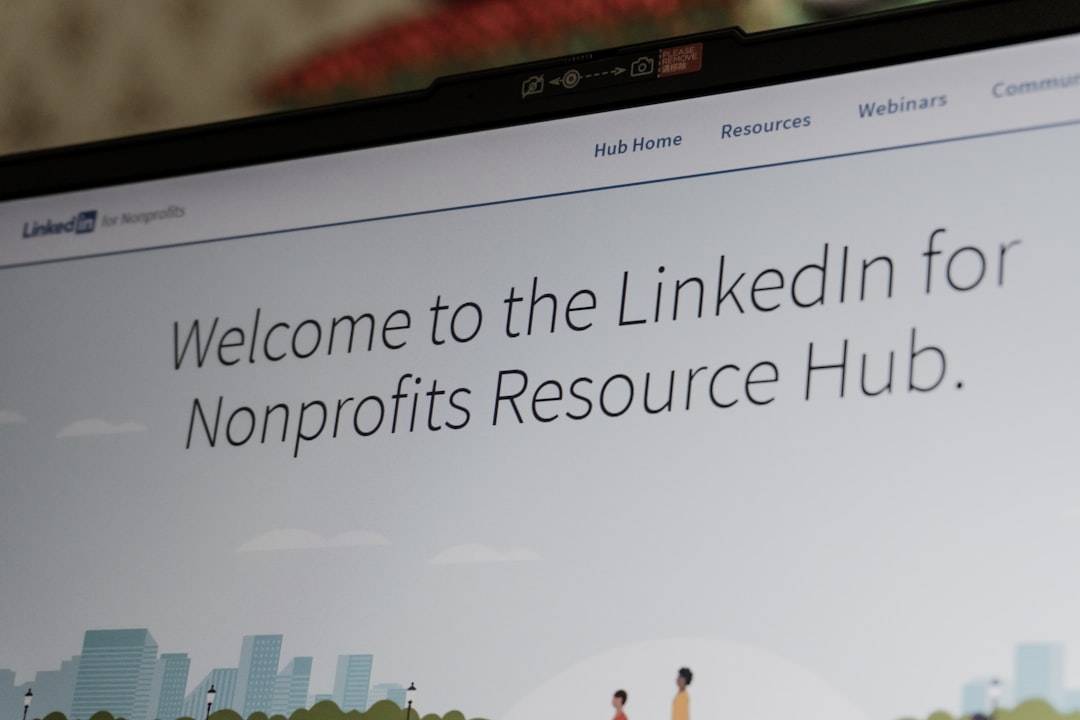
A customer community gives advocates a place to exchange ideas, answer questions, share success stories, and learn from peers. It also gives the business valuable insight into customer needs, common challenges, product feedback, and emerging trends.
For community features to succeed, the platform should include moderation tools, role-based permissions, notifications, and analytics. A healthy community requires structure, safety, and ongoing participation from both customers and company representatives.
7. Gamification and Recognition
Recognition is a major driver of advocacy. While some customers participate because they love the product, many appreciate acknowledgment for their time and expertise. Customer advocacy platforms often include gamification tools such as points, badges, levels, leaderboards, challenges, and achievement milestones.
However, gamification should not feel superficial. The best programs combine digital recognition with meaningful benefits, such as exclusive education, event invitations, early access to features, networking opportunities, charitable donations, or professional exposure.
Recognition should reinforce the customer’s value. When advocates feel respected, they are more likely to continue supporting the brand over time.
8. Automation and Personalized Workflows
Automation helps advocacy programs scale. A platform should allow teams to automate invitations, reminders, thank-you messages, reward updates, review requests, and follow-ups. This reduces administrative work and ensures advocates receive timely communication.
At the same time, automation must remain personalized. Generic mass messages can damage trust. The platform should support dynamic fields, behavioral triggers, audience segments, and customized workflows based on advocate preferences or past activity.
For example, a business may automatically invite highly satisfied customers to leave a review, ask experienced users to join a beta program, or send referral opportunities to customers who recently renewed. These workflows make advocacy more efficient while keeping interactions relevant.
9. Integration With CRM, Marketing, and Support Systems
A customer advocacy platform should not operate in isolation. Integration with CRM, marketing automation, customer success, support, survey, and analytics systems is essential. These connections allow advocacy data to flow across the organization.
Sales teams can see which customers are available for references. Customer success teams can identify engaged accounts. Marketing teams can track which advocacy activities influence campaigns. Support teams can understand whether service experiences affect advocacy willingness.
Key integrations may include:
- CRM platforms for contact, account, and opportunity tracking
- Marketing automation tools for campaign coordination
- Customer success platforms for health scores and lifecycle data
- Survey tools for satisfaction and loyalty signals
- Analytics platforms for performance reporting
10. Consent, Compliance, and Permission Management
Advocacy often involves public use of customer names, quotes, logos, images, or stories. Because of this, permission management is a critical platform feature. Businesses need clear records showing what each customer has approved and where that content may be used.
The platform should support consent forms, approval workflows, expiration dates, usage restrictions, and audit trails. In regulated industries, this is especially important. Even in less regulated markets, strong permission management protects both the company and the advocate.
Trust is the foundation of advocacy. Customers are more likely to participate when they know their information and reputation will be handled responsibly.
11. Analytics and ROI Reporting
Businesses need to prove that advocacy drives results. A customer advocacy platform should provide clear analytics showing participation rates, referral revenue, review volume, content usage, community engagement, pipeline influence, conversion impact, and customer retention trends.

Dashboards should be easy to understand for marketing, sales, customer success, and executive teams. Advanced reporting may include attribution models, campaign comparisons, advocate lifetime value, and engagement scoring.
ROI reporting helps advocacy teams secure budget, refine strategy, and identify the highest-performing activities. It also shows which customer segments are most engaged and which programs need improvement.
12. Content Management and Asset Organization
Customer advocacy generates valuable content, including testimonials, case studies, quotes, videos, reviews, social posts, and event recordings. A platform should include a searchable content library where teams can store, tag, approve, and reuse these assets.
Strong content management prevents valuable advocacy materials from disappearing into shared folders or old email chains. Teams should be able to search by industry, product, customer type, use case, region, or approval status. This makes it easier to find the right story for a sales presentation, landing page, campaign, or proposal.
13. Scalability and Ease of Use
Even the most powerful platform will fail if it is difficult to use. Businesses should look for clean navigation, intuitive dashboards, simple campaign setup, mobile-friendly advocate experiences, and helpful onboarding. Advocates should not need extensive instructions to participate.
Scalability also matters. A company may begin with a small referral program and later expand into communities, reviews, references, events, and user-generated content. The platform should support growth without forcing teams to rebuild their processes from scratch.
Choosing the Right Customer Advocacy Platform
The right platform depends on business goals, customer base, industry, and internal resources. A company focused on sales referrals may prioritize CRM integration and reward management. A software company may need community features and product feedback workflows. A business with a strong content strategy may focus on testimonials, case studies, and asset libraries.
Before selecting a platform, teams should define the advocacy activities they want to support, the metrics they need to track, and the departments that will use the system. They should also consider the customer experience. If the platform makes participation easy, respectful, and rewarding, advocacy is more likely to become a sustainable growth channel.
FAQ
What is a customer advocacy platform?
A customer advocacy platform is software that helps businesses identify, engage, manage, and measure customers who promote or support the brand through referrals, reviews, testimonials, case studies, communities, and other advocacy activities.
Why does a business need customer advocacy software?
A business needs customer advocacy software to organize advocate relationships, automate outreach, track participation, collect social proof, manage permissions, and measure the impact of advocacy on revenue, retention, and brand trust.
What is the most important feature in a customer advocacy platform?
The most important feature depends on the company’s goals, but advocate identification and segmentation are often essential. Without knowing which customers are willing and appropriate to engage, other advocacy efforts become harder to scale.
How does customer advocacy support sales?
Customer advocacy supports sales by providing referrals, testimonials, reviews, case studies, and reference customers. These assets help prospects trust the business and make buying decisions with greater confidence.
Should small businesses use customer advocacy platforms?
Yes, small businesses can benefit from customer advocacy platforms, especially when referrals, reviews, and word-of-mouth are important growth drivers. A smaller company may start with basic features and expand as its customer base grows.
How can a company measure customer advocacy success?
A company can measure success by tracking referral leads, referral revenue, review volume, testimonial usage, community engagement, advocate participation, sales influence, retention improvements, and overall program ROI.