ContentKing began as a focused answer to a frustrating SEO problem: websites change constantly, but search teams often discover critical mistakes too late. Instead of treating SEO auditing as a once-a-month crawl, the company built a platform that monitored websites continuously and alerted teams when something important changed. That idea helped ContentKing stand out in a crowded SEO software market and ultimately led to its acquisition by Conductor.
TLDR: ContentKing is owned by Conductor, an enterprise organic marketing and SEO technology company. ContentKing was founded in Europe as a real-time SEO auditing and monitoring platform, known for detecting website issues as they happened. In 2022, Conductor acquired ContentKing to strengthen its technical SEO and website monitoring capabilities. Today, ContentKing operates as part of Conductor’s broader SEO and content intelligence ecosystem.
Who Owns ContentKing Today?
ContentKing is owned by Conductor. The acquisition was announced in 2022, bringing ContentKing’s real-time website monitoring technology into Conductor’s suite of organic marketing tools. While ContentKing had developed its own loyal user base and brand identity, the deal shifted it from an independent software company into part of a larger platform aimed at enterprise SEO, content strategy, and website performance.
Conductor’s ownership matters because the acquisition was not simply about buying a brand name. ContentKing offered a distinct technical capability: continuous SEO monitoring. For large websites, especially ecommerce stores, publishers, SaaS companies, and multinational brands, even a small technical issue can cause major traffic loss. A misplaced noindex tag, broken canonical, redirect mistake, or accidental robots.txt change can quietly damage search visibility. ContentKing’s value was that it could detect these changes quickly.
The Problem ContentKing Set Out to Solve
Traditional SEO audits often depend on scheduled crawls. A consultant or in-house team runs a crawl, identifies problems, exports a report, and then repeats the process later. That workflow can be effective, but it leaves a dangerous gap: problems can appear between crawls and remain unnoticed for days or weeks.
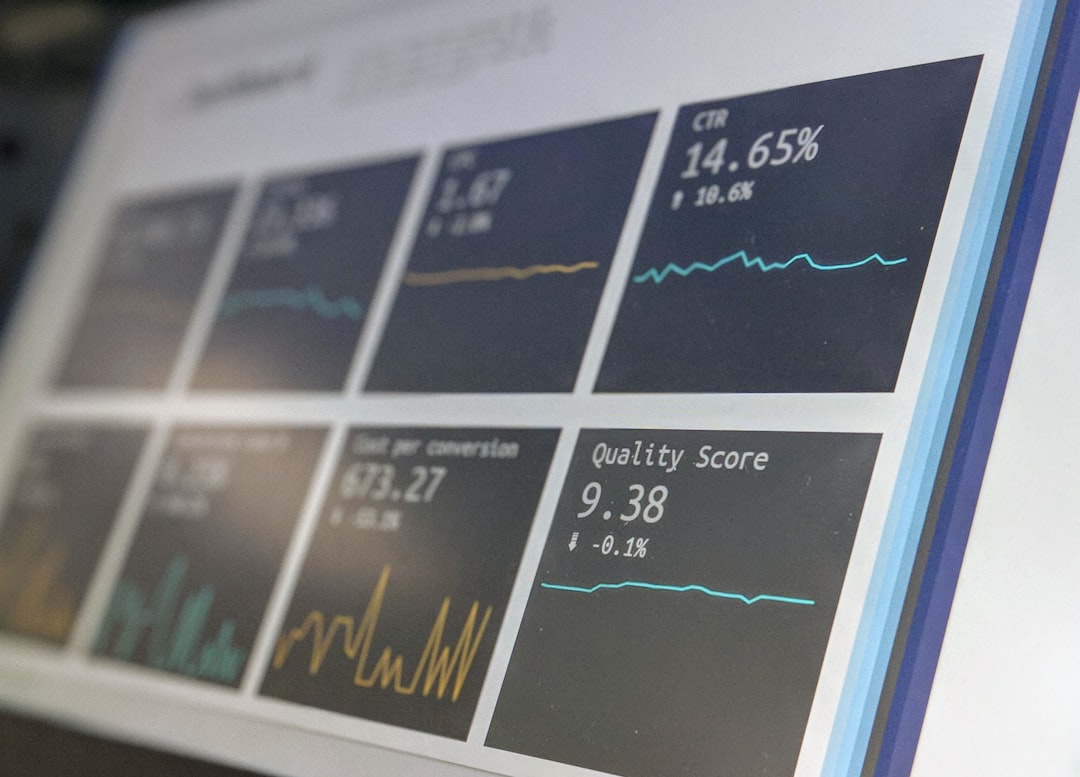
ContentKing approached SEO auditing differently. Its platform was built around real-time auditing, meaning it continuously monitored a site and flagged changes or technical issues as they occurred. That positioned the company as a practical safeguard for search performance, especially for organizations with large, frequently updated websites.
Some of the core needs ContentKing addressed included:
- Immediate alerts when pages changed in ways that could affect SEO.
- Technical issue detection for problems such as broken links, missing metadata, redirect errors, and indexing risks.
- Change tracking so teams could see what happened, when it happened, and why it mattered.
- Collaboration features for SEO teams, developers, content managers, and agencies.
This made the platform appealing not only to technical SEO specialists, but also to marketing teams that needed better visibility into what was happening on their websites.
Company Origins and Early Growth
ContentKing was founded in the mid-2010s by a European team with experience in SEO, web technology, and software development. The company built its identity around a simple but powerful message: SEO should be monitored continuously, not checked occasionally.
Although many SEO tools were already available, ContentKing found room to grow by specializing. Rather than trying to be everything at once, it focused heavily on technical auditing, change detection, and alerting. This narrower focus helped the company earn recognition among SEO professionals who needed a dependable monitoring layer for their websites.
The company’s European roots also shaped its market presence. It attracted users internationally while maintaining a reputation for being highly product driven. Its communication style was practical and educational, often centered on helping teams understand technical SEO risks before those risks grew into expensive problems.

Why ContentKing Became Attractive to Conductor
Conductor had already established itself as a platform for organic marketing, helping companies understand search demand, improve content, and measure organic performance. But as SEO became more complex, enterprise clients increasingly needed tools that connected strategy with technical reliability.
This is where ContentKing fit naturally. Search visibility is not only about publishing good content or finding the right keywords. It also depends on whether search engines can crawl, index, and interpret a website correctly. If technical foundations break, even strong content can lose visibility.
By acquiring ContentKing, Conductor gained technology that strengthened several important areas:
- Technical SEO monitoring: Continuous auditing gave Conductor customers a way to detect issues faster.
- Risk management: Real-time alerts helped prevent unexpected traffic drops caused by website changes.
- Enterprise readiness: Large organizations could better coordinate SEO, development, and content workflows.
- Platform depth: Conductor could offer a more complete organic marketing solution, from research to monitoring.
For ContentKing, joining Conductor meant access to broader resources, a larger customer base, and deeper integration into enterprise marketing workflows. For Conductor, it meant adding a respected product that solved a clear and urgent customer problem.
The 2022 Acquisition
Conductor announced its acquisition of ContentKing in 2022. The deal reflected a broader trend in the SEO software market: consolidation. As companies demanded more unified platforms, specialized tools became attractive acquisition targets for larger technology providers.
The acquisition also highlighted the growing importance of real-time SEO intelligence. Websites had become more dynamic, with content management systems, personalization tools, ecommerce platforms, JavaScript frameworks, and frequent development releases all changing pages constantly. In that environment, waiting for a periodic audit could be too slow.
ContentKing’s monitoring capabilities helped Conductor respond to this shift. Instead of only helping brands plan and optimize content, Conductor could also help them protect the technical health of that content after publication.

What Happened to the ContentKing Brand?
After the acquisition, ContentKing continued to be associated with real-time SEO auditing and monitoring, but under Conductor’s ownership. In many acquisitions, the acquired technology is either absorbed fully into the parent platform or maintained as a connected product. ContentKing’s value was closely tied to its product reputation, so its name continued to carry meaning among SEO professionals familiar with the tool.
For users, the practical impact was that ContentKing became part of a larger ecosystem. That can bring advantages such as expanded support, more integrations, and a closer connection to enterprise SEO strategy. At the same time, it marked the end of ContentKing as an independent company in the way early customers knew it.
Why the Acquisition Still Matters
The story of ContentKing is interesting because it shows how a focused product can become strategically important. The company did not need to dominate every part of the SEO market. Instead, it solved one painful problem especially well: knowing when a website change could harm search performance.
That specialization made it valuable. In SEO, timing often matters. If a website accidentally blocks search engines from key pages, every hour counts. If a developer changes templates and removes important metadata, rankings may suffer before anyone notices. ContentKing’s central promise was speed: find the issue while there is still time to fix it.
Conductor’s acquisition recognized that technical monitoring had become a necessary part of modern organic marketing. Content teams, SEO managers, and developers increasingly need shared visibility into website health. A platform that connects those groups can help prevent small technical mistakes from becoming major business problems.
Final Takeaway
So, who owns ContentKing? Conductor owns ContentKing, following its 2022 acquisition of the company. ContentKing’s journey from an independent European SEO monitoring startup to part of a larger enterprise marketing platform reflects the evolution of SEO itself. Search success now depends not only on keywords and content, but also on continuous technical vigilance.
ContentKing’s legacy is its real-time approach to SEO auditing. It pushed the idea that websites should be monitored as living systems, not checked only in occasional audits. Under Conductor, that philosophy became part of a broader platform designed to help organizations grow, protect, and understand their organic search presence.