Pick Brand24 if you want fast, simple brand review monitoring without a giant setup. Pick Brandwatch if you are a larger team that needs deep research, richer reporting, and serious social listening muscle.
TLDR: Brand24 is the easier choice for small and mid-sized teams that need quick alerts when people praise or roast them online. Brandwatch is better for bigger brands, agencies, and research teams that need advanced filters, trend analysis, and custom dashboards. For example, a 12-location coffee chain tracking 3,200 monthly mentions may use Brand24 to spot a sudden 27% jump in “cold latte” complaints within one day. A global retail brand may use Brandwatch to compare sentiment by region, product line, and campaign over six months.
Quick verdict
Brand24 feels like a smoke alarm. It is made to shout, “Hey, someone is talking about you!” That is useful when reviews appear on blogs, forums, social media, news sites, podcasts, and public web pages.
Brandwatch feels like a control room. It gives you more ways to study the chatter. You can slice data by audience, topic, source, region, campaign, and time period. It is powerful. It can also feel like a lot.
Honestly, it feels like Brandwatch was built for people who enjoy dashboards. Brand24 was built for people who just want to fix the angry review before lunch.

What are these tools for?
Both tools help you track what people say about your brand online. This includes:
- Brand mentions
- Customer complaints
- Positive reviews
- Competitor mentions
- Influencer comments
- PR spikes
- Social media conversations
They do not replace your main review inbox. If someone reviews you on a platform where you have a business profile, you still need to reply there. These tools help you find the noise faster. Then your team can act.
Brand24: simple, fast, and friendly
Brand24 is the easier tool to start with. You add keywords. You choose your brand name, product names, CEO name, or competitor names. Then the tool starts pulling in mentions.
The best part is the alert system. You can get notified when someone mentions your brand. You can also track sudden spikes. That matters. A small complaint can become a public mess very quickly.
Brand24 also gives you sentiment analysis. It marks mentions as positive, negative, or neutral. Is it perfect? No. Sarcasm still fools software. A post like “Great, another broken delivery” may confuse some tools. Still, sentiment is helpful for spotting patterns.
Best Brand24 features:
- Quick setup: You can get going without a long training session.
- Real-time alerts: Great for urgent review tracking.
- Sentiment tracking: Good enough for trend spotting.
- Influence score: Helps you see which mentions matter more.
- Share of voice: Useful for checking how you compare with rivals.
- Clean reports: Simple charts for managers and clients.
It drives me crazy that some tools bury basic alerts under five screens. Brand24 keeps that part plain. Type the keywords. Set alerts. Watch the mentions roll in.
Brandwatch: deep, rich, and built for scale
Brandwatch is the heavier option. That is not a bad thing. It is just made for more complex work.
If you manage a national brand, run campaigns in many countries, or need research-grade data, Brandwatch has more room to grow. You can build detailed queries. You can create custom dashboards. You can track large trends across time.
Brandwatch is strong when you need to answer bigger questions. Why did negative sentiment rise in Germany last month? Which product feature is making people complain? Did the new campaign help brand trust? Which audience group is sharing bad reviews the most?
Best Brandwatch features:
- Advanced search queries: Great for complex brand names and noisy keywords.
- Deep audience insights: Helpful for research and strategy teams.
- Custom dashboards: Strong for executives and agencies.
- Trend analysis: Useful for long-term brand health tracking.
- Large data coverage: Good for bigger brands with many mentions.
- Team workflows: Better fit for larger departments.
The tradeoff is setup time. Expect to spend more time building queries and reports. That extra work can pay off. But if you only need to catch bad reviews quickly, it may feel like bringing a forklift to carry a sandwich.

Ease of use
Brand24 wins for ease of use. The interface is simpler. The learning curve is smaller. A marketing assistant, founder, or support lead can start using it fast.
Brandwatch has more depth. But more depth means more buttons. More settings. More chances to create a query that misses half the mentions you wanted.
If your team hates long onboarding, Brand24 will feel better. If your team has analysts, Brandwatch may feel worth the extra time.
Review monitoring quality
For online brand reviews, both tools can help. But their style is different.
Brand24 is better for quick reaction. It helps you catch mentions from public web sources and social platforms. This is great when someone posts, “Do not buy from this company,” and you want to know fast.
Brandwatch is better for diagnosis. It helps you understand why reviews are changing. It can group themes. It can show long-term sentiment shifts. It can help you connect review trends with campaigns or product launches.
Here is a simple example:
- Brand24 tells you: “Negative mentions rose 42% this week.”
- Brandwatch helps explain: “Most negative mentions came from UK customers discussing delivery delays after the spring sale.”
That difference matters. Speed is not the same as strategy.
Sentiment analysis
Sentiment analysis is handy. It is also a little weird sometimes.
Both tools can tag mentions as positive, negative, or neutral. Brandwatch gives larger teams more ways to examine themes and patterns. Brand24 gives smaller teams a fast reading without much fuss.
If you need an instant mood check, Brand24 works well. If you need a board-ready sentiment report by region, source, and product line, Brandwatch is the stronger pick.
Reporting and dashboards
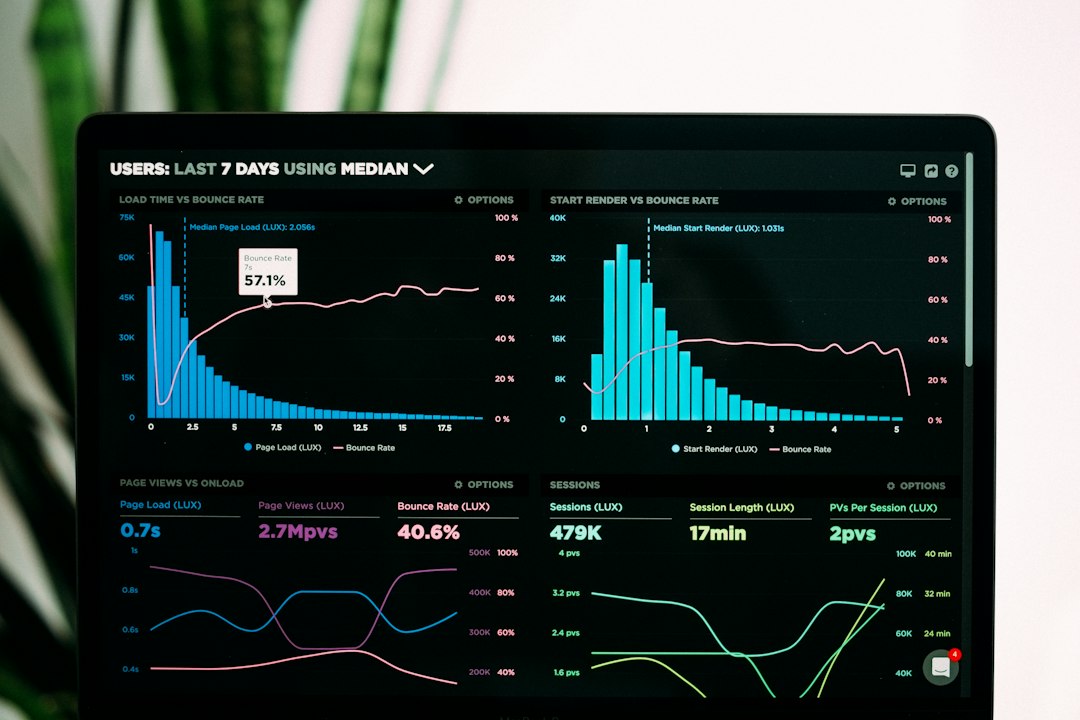
Brand24 reports are clean and direct. You can show mention volume, sentiment, reach, top sources, and popular mentions. This is enough for many teams.
Brandwatch reporting is more advanced. You can build richer dashboards with custom views. This is useful for agencies and enterprise teams. It is also useful when different teams need different data.
For example:
- Support wants urgent complaints.
- PR wants media spikes.
- Product wants feature feedback.
- Leadership wants brand health trends.
Brandwatch handles that split better. Brand24 keeps things simpler.
Pricing and value
Brand24 usually makes more sense for tighter budgets. Its plans are more approachable for small businesses, startups, local brands, and solo marketers.
Brandwatch is aimed at larger budgets. Pricing is often custom. That can be fine for enterprise teams. It can be annoying for smaller teams that just want to know the cost before booking a call.
If you need clear value fast, Brand24 is easier to justify. If brand intelligence is a major part of your company’s strategy, Brandwatch may be worth the spend.
Who should choose Brand24?
Choose Brand24 if you:
- Need alerts fast.
- Have a small or mid-sized team.
- Want a tool that is easy to learn.
- Track reviews, mentions, and simple sentiment.
- Want reports without spending hours building them.
- Care more about reaction speed than deep research.
Brand24 is great for restaurants, SaaS startups, ecommerce brands, agencies with smaller clients, local chains, creators, and service businesses.
Who should choose Brandwatch?
Choose Brandwatch if you:
- Manage a large brand.
- Need complex search rules.
- Track campaigns across markets.
- Have analysts on your team.
- Need custom dashboards.
- Care about long-term research and audience insights.
Brandwatch is a better fit for global brands, large agencies, enterprise PR teams, consumer research teams, and companies with high mention volume.
Final pick
Brand24 is the best pick for most teams that want simple brand review monitoring. It is faster to set up. It is easier to use. It helps you spot unhappy customers before things get ugly.
Brandwatch is the better pick for big brands with serious data needs. It gives you more control, more reporting power, and stronger research tools. But it also asks for more time, more budget, and more patience.
So here is the plain answer. If your main goal is, “Tell me when people talk about us,” choose Brand24. If your goal is, “Help us understand every trend behind what people say,” choose Brandwatch.
Both are useful. One is a quick alarm bell. The other is a full command center. Pick the one your team will actually use.