Choose Shopify if you want content marketing to move fast. Choose WordPress if you want full control and deeper SEO options. Organic search can drive a huge share of web traffic, with BrightEdge reporting that organic search drives 53% of trackable website traffic [source: BrightEdge]. So yes, your blog posts, product guides, and category pages matter. A lot.
TLDR: Shopify is easier for busy store owners who want to publish and sell without fighting plugins. WordPress, usually with WooCommerce, is better for stores that want richer blogs, custom SEO, and more content control. For example, a small candle shop publishing 8 buying guides per month might grow organic traffic by 35% in 6 months on WordPress, but Shopify may help the same team launch those pages 25% faster. Pick the tool that matches your time, skill, and growth plan.
Shopify vs WordPress: the simple answer
Shopify is a store first. Content comes second. That is not bad. It just means Shopify is built to sell products right away.
WordPress is a content machine. Add WooCommerce, and it becomes a store too. That can be powerful. It can also get messy.
Here is the easy way to think about it:
- Shopify: best for simple setup, fast selling, clean product pages, and less tech drama.
- WordPress: best for long blog posts, SEO details, content hubs, and custom layouts.
- Both: can grow traffic if you publish helpful content often.
The platform will not save boring content. Sorry. A weak blog post is still weak, even with a fancy theme.

Why content marketing matters for ecommerce
Paid ads can be great. They can also eat your budget like a raccoon in a snack drawer.
Content gives your store more doors. Each guide, comparison, FAQ, and tutorial is another way for shoppers to find you.
Good ecommerce content can include:
- Buying guides, like “Best running shoes for flat feet”
- How to posts, like “How to clean a linen sofa”
- Gift guides, like “Best gifts for new dog owners”
- Comparison pages, like “Ceramic vs stainless steel pans”
- Category explainers, like “What is cold brew coffee?”
These pages catch shoppers before they are ready to buy. Then they trust you more when they are ready.
Shopify for content marketing
Shopify makes the basics easy. You can add products, collections, pages, and blog posts without needing a developer. The admin area is clean. The hosting is handled. Security is handled. Checkout is smooth.
That is a big win for small teams.
If you run a skincare store, you can publish a post about “How to build a dry skin routine”. Then you can link to cleansers, serums, and moisturizers. Nice and simple.
Shopify content strengths:
- Fast setup.
- Easy product linking.
- Clean mobile themes.
- Built in ecommerce features.
- Less plugin stress.
Shopify content annoyances:
- The blog editor feels a bit thin.
- Advanced layouts often need apps or code.
- SEO tweaks can feel limited.
- Content hubs take more work.
Honestly, it feels like Shopify wants you to publish a blog post, but not get too fancy with it. That is fine for many stores. It is annoying for content teams with bigger plans.
WordPress for content marketing
WordPress was made for content. That shows. You can build big guides, knowledge centers, recipe sections, lookbooks, and topic clusters. You can also shape posts with blocks, templates, custom fields, and SEO plugins.
WordPress with WooCommerce gives you a store plus a strong publishing system.
WordPress content strengths:
- Better blogging tools.
- More control over SEO.
- Flexible page layouts.
- Great for content hubs.
- Huge plugin options.
WordPress content annoyances:
- Too many plugins can slow the site.
- Updates can break things.
- You need better hosting.
- Security takes more care.
It drives me crazy that one tiny plugin update can turn a normal Tuesday into a support ticket festival. WordPress gives you power. It also hands you the toolbox, the wires, and a mild headache.

SEO: which one wins?
WordPress usually wins for advanced SEO.
You can edit more details. You can build custom templates. You can control schema markup. You can improve internal linking. You can create deep topic clusters.
But Shopify is not weak. It handles many basics well. Product URLs are clean enough. Themes can be fast. Apps can add SEO features. For a simple store, Shopify SEO is often more than enough.
Here is the split:
- Shopify is better if you want SEO that works without much setup.
- WordPress is better if SEO is your main growth channel.
- Shopify is safer if you do not want to touch hosting.
- WordPress is stronger if you need custom content structures.
For example, a coffee store using Shopify can create a guide called “Best coffee grind size for French press”. It can rank and sell grinders. Great.
A WordPress store can take that further. It can build a full coffee learning center. One hub page. Twenty guides. Product links. FAQs. Schema. Email signups. More control. More work.
Speed and performance
Shopify wins on ease here. Hosting is included. Updates are not your problem. Many Shopify themes are quick out of the box.
WordPress speed depends on your setup. Good hosting helps. A light theme helps. Fewer plugins help. Image compression helps. Caching helps.
That is the issue. WordPress can be very fast. It can also become a slow swamp.
Slow pages hurt traffic. They also hurt sales. Shoppers are not patient. If your size chart takes five seconds to load, people leave. Then they buy socks elsewhere. Rude, but fair.
Content workflow
Shopify is simple for small teams. Write the post. Add images. Link products. Publish.
WordPress is better for teams with editors, SEO writers, designers, and developers. You can set roles. Build custom blocks. Add review steps. Add content templates.
If your plan is two blog posts per month, Shopify is fine.
If your plan is 30 content pieces per month, WordPress may feel better. It gives your team more room to build systems.
Conversion: traffic is not enough
Traffic is cute. Sales pay the bills.
Shopify has the edge for checkout. It is built for ecommerce from the start. Product pages, carts, payments, and shipping are all central pieces.
WordPress can convert well too. WooCommerce is flexible. But it needs careful setup. You may need plugins for checkout, payments, invoices, shipping, subscriptions, and tax.
That can work. It can also turn into plugin soup.
Which platform should you pick?
Pick Shopify if:
- You want to launch fast.
- You sell physical products.
- You have a small team.
- You do not want hosting tasks.
- You need a smooth checkout.
Pick WordPress if:
- You want a serious blog strategy.
- You plan to publish lots of guides.
- You care about detailed SEO control.
- You have tech help.
- You want custom content layouts.
A simple growth plan for either platform
Do not start with 100 random blog ideas. Start with buyer questions.
- Pick 5 product categories.
- Write 3 guides for each category.
- Add internal links to products.
- Add FAQs to each guide.
- Update old posts every 90 days.
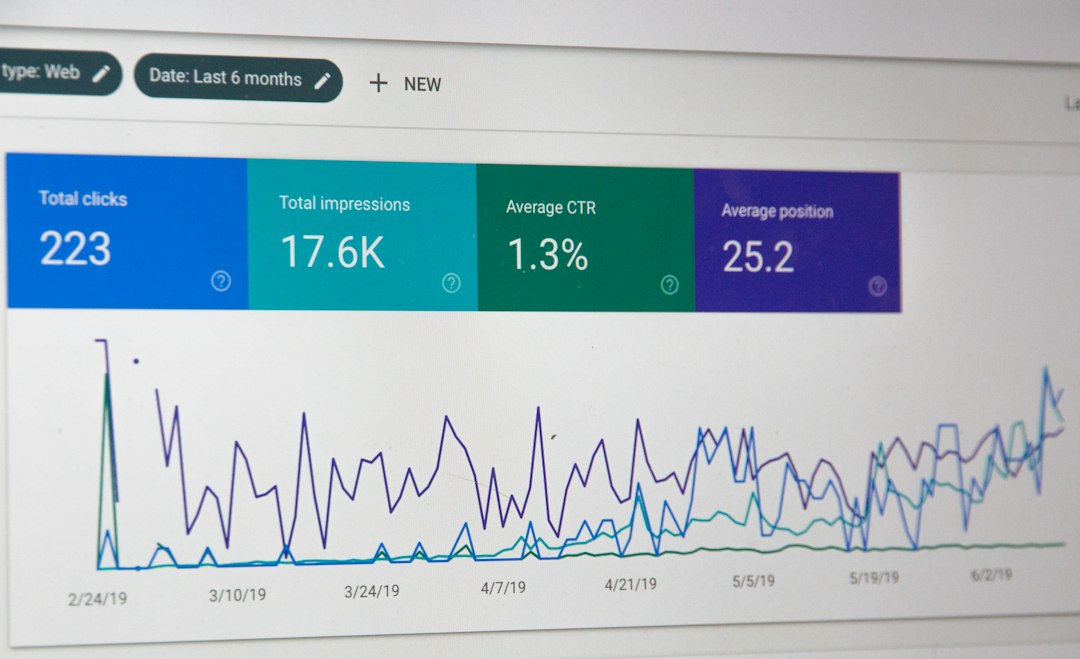
- Track organic clicks, rankings, and sales.
For a growing store, aim for 4 to 8 high quality posts per month. Keep the posts useful. Add real photos when possible. Show products in action. Answer the question fast.
The winner is not always the platform with the longest feature list. The winner is the one your team will actually use.
Final call: Shopify is best for stores that want fast ecommerce with simple content. WordPress is best for stores that want content to become a major traffic engine. If content is your side dish, choose Shopify. If content is the main course, choose WordPress.