For flickering lights, Thumbtack is usually faster for comparing nearby electricians, while Angi is better when you want more structured screening and request matching. Do not ignore the flicker, especially if it affects several rooms, gets worse under load, or comes with buzzing, heat, or a burning smell. Electrical failures or malfunctions were linked to an estimated 46,700 home fires per year in the U.S. during a recent reporting period [source: NFPA].
TLDR: Use Thumbtack if you want quick quotes from local electricians and can handle a little back-and-forth. Use Angi if you prefer a guided request process and want help narrowing choices. For example, if your kitchen lights flicker every time the microwave starts, you might contact 3 to 5 electricians and compare response time, diagnostic fee, and license details. Expect simple fixes to cost far less than panel or circuit repairs, so the first goal is getting a safe diagnosis.
Flickering lights are annoying. They can also be a warning. A single loose bulb is no big deal. A whole room pulsing like a haunted house is different. The problem could be a weak connection, overloaded circuit, failing switch, damaged neutral wire, or an electrical panel issue.
That is why hiring a licensed electrician matters. The question is not only who can come out. It is also who can correctly diagnose the cause without turning the visit into a sales pitch.
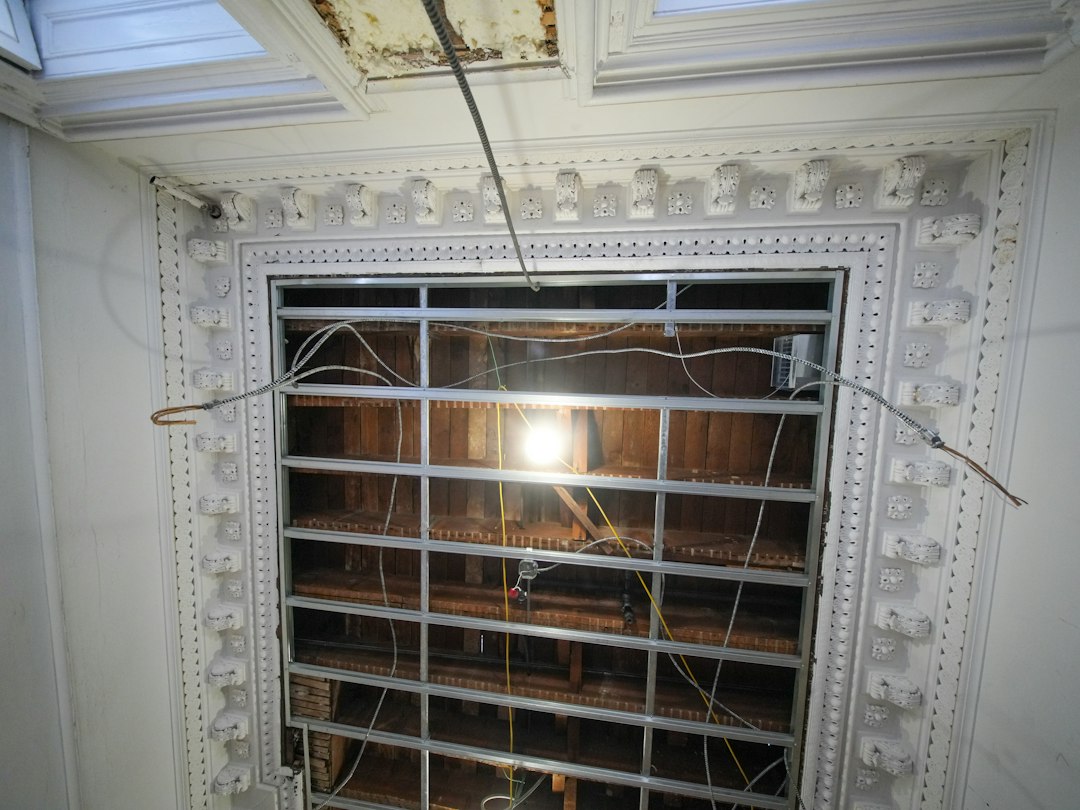
When flickering lights are urgent
Before comparing Angi and Thumbtack, check the risk level. Some symptoms mean you should stop using the affected circuit and call quickly.
- Call now if lights flicker with buzzing, crackling, heat, sparks, or a burning odor.
- Act fast if flickering happens across multiple rooms or the whole house.
- Be cautious if lights dim when appliances turn on, such as an AC unit, dryer, or microwave.
- Do not DIY panel work, aluminum wiring repairs, or suspected loose service connections.
A good electrician will ask when the flicker happens, which rooms are affected, and whether breakers trip. If they skip those questions and jump straight to “you need a new panel,” slow down.
Angi for electrical services: best for guided hiring
Angi works well if you want a cleaner intake process. You enter the job details, location, timing, and contact information. Angi then connects you with pros who may be able to take the job. For homeowners who hate calling random numbers from search results, that structure can feel useful.
The best part is the category sorting. You can look for electrical repair, lighting repair, outlet issues, panel upgrades, and related jobs. That helps when your problem is vague. “My lights flicker” can mean ten different things, so a guided form can push you to describe the issue better.
The catch is that contact can ramp up quickly. You may get calls, texts, or emails from multiple pros in a short window. That is great if the issue is urgent. It is less great if you were only pricing a nonemergency repair while trying to eat lunch.
Angi strengths
- Helpful request flow: Good for homeowners who are unsure how to describe the job.
- Broad contractor pool: Useful in suburbs and larger metro areas.
- Reviews and profiles: You can compare ratings, photos, and service details.
- Good for bigger work: Panel upgrades, rewiring, and repeat electrical projects fit well.
Angi annoyances
- Lead-style contact: Once submitted, your phone may get busy.
- Pricing is not always upfront: Many electricians still need a visit to quote accurately.
- Matching can feel broad: Not every pro who replies is the perfect fit for flickering lights.
Thumbtack for electrical services: best for fast comparison
Thumbtack feels more direct. You search for electricians, view profiles, send project details, and compare responses. If you like seeing options quickly, it can be the better fit. It is especially handy for small to mid-sized jobs, such as fixture troubleshooting, switches, outlets, and basic diagnostic visits.
Honestly, it feels like Thumbtack is built for people who want to ask, “Who can come this week, and what is your minimum fee?” That is useful for flickering lights because the first visit may be diagnostic. You want to know the trip charge, hourly rate, and whether that fee applies to the repair.
Expect to waste time on a few incomplete profiles. Some electricians list services broadly but do not clearly say if they handle panel diagnostics, older wiring, or emergency calls. Still, the quote-style format makes side-by-side comparison easier than calling five shops manually.
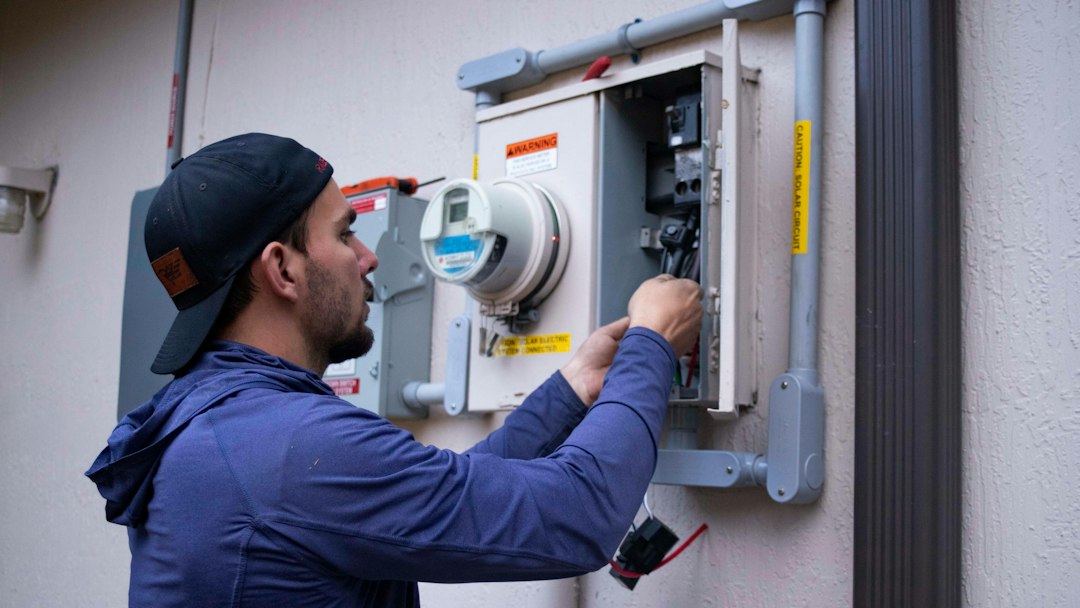
Thumbtack strengths
- Fast messaging: Good for asking several electricians the same question.
- Easy comparison: Profiles often show reviews, photos, prices, and availability.
- Good for smaller jobs: Ideal for fixture checks, switch repairs, and troubleshooting.
- Flexible scheduling: Many pros show open time slots or reply with availability.
Thumbtack annoyances
- Profile quality varies: Some listings are detailed, others are thin.
- Not every quote is final: Electrical problems often require inspection first.
- You do more filtering: You may need to verify license, insurance, and experience yourself.
Angi vs Thumbtack: which one should you choose?
Pick based on your situation, not brand loyalty.
| Situation | Better choice | Why |
|---|---|---|
| Whole-house flickering | Angi or direct emergency electrician | You may need a higher-level diagnostic and fast screening. |
| One fixture flickers | Thumbtack | Easy to compare small-job electricians. |
| You hate calling contractors | Angi | The request process does more of the initial sorting. |
| You want several quotes quickly | Thumbtack | Messaging and profile comparison are simple. |
| Panel upgrade may be needed | Angi | Bigger projects benefit from broader contractor matching. |
If the problem seems dangerous, skip the slow quote hunt. Search for a licensed emergency electrician in your area and call directly. Online platforms are useful, but safety beats convenience.
What to ask before hiring
Whether you use Angi or Thumbtack, ask direct questions. A pro who answers clearly is already ahead of the pack.
- Are you licensed for electrical work in my state or city?
- Do you carry liability insurance?
- What is your diagnostic fee?
- Does the diagnostic fee apply to the repair?
- Do you troubleshoot panels, breakers, and neutral issues?
- Can you provide a written estimate before repair work starts?
- Do you warranty labor and parts?
You can also verify licensing through your state or local licensing board. The U.S. Federal Trade Commission suggests checking contractor credentials and getting written estimates before agreeing to work [source: FTC].
Cost expectations for flickering light repairs
Prices vary by city, access, and the real cause. A loose bulb, bad dimmer, or worn switch may be a small repair. A loose neutral, damaged branch circuit, or overloaded panel costs more. If walls must be opened, the bill climbs.
Many electricians charge a service call or diagnostic fee. A common range is $75 to $200, though large cities and emergency visits can be higher. Hourly labor may run $80 to $150+. Panel repairs, breaker replacement, or new circuit work can move into several hundred dollars or more.

Best practical strategy
For most homeowners, the smartest move is simple. Use Thumbtack to message several electricians fast. Use Angi if you want a more guided request or suspect a larger repair. If the symptoms are severe, call an emergency electrician directly.
Send the same message to each pro:
“My lights flicker in the kitchen when the microwave starts. No burning smell, no breaker trips. Can you diagnose this? What is your service fee, earliest availability, and license number?”
That one message filters out vague responders. It also gives you apples-to-apples replies. Flickering lights are not the time for guesswork. Choose the electrician who asks smart questions, gives clear pricing, and treats the issue like a safety problem rather than a quick upsell.