Modern digital products rarely succeed because every requirement is perfectly known at the start. Markets shift, users change their expectations, and technical discoveries often appear only after development begins. Iterative development helps teams handle this uncertainty by building a product in repeated cycles, learning from each cycle, and improving the result over time.
TLDR: Iterative development is an approach where teams create, test, and improve a product through repeated cycles rather than trying to complete everything in one large phase. For example, a software team might release a basic booking app in 4 weeks, collect feedback from 500 users, and improve the checkout flow after seeing that 38% of users abandon the payment screen. This method is common in Agile environments because it supports faster learning, risk reduction, and continuous improvement.
What Is Iterative Development?
Iterative development is a product development method in which work is completed through a series of repeated cycles, often called iterations. Each iteration usually includes planning, design, development, testing, review, and refinement. Instead of delivering the full product at the end of a long project, the team produces a working version or improved component at regular intervals.
The central idea is simple: a product becomes better through feedback and adjustment. An early version may be incomplete, but it gives stakeholders something real to evaluate. Their responses help guide the next iteration, making the final product more useful and better aligned with actual needs.
For instance, a company developing a mobile banking application may first release account balance viewing, then add transfers, then bill payments, and later savings insights. Each release teaches the team how customers use the app and what should be improved.
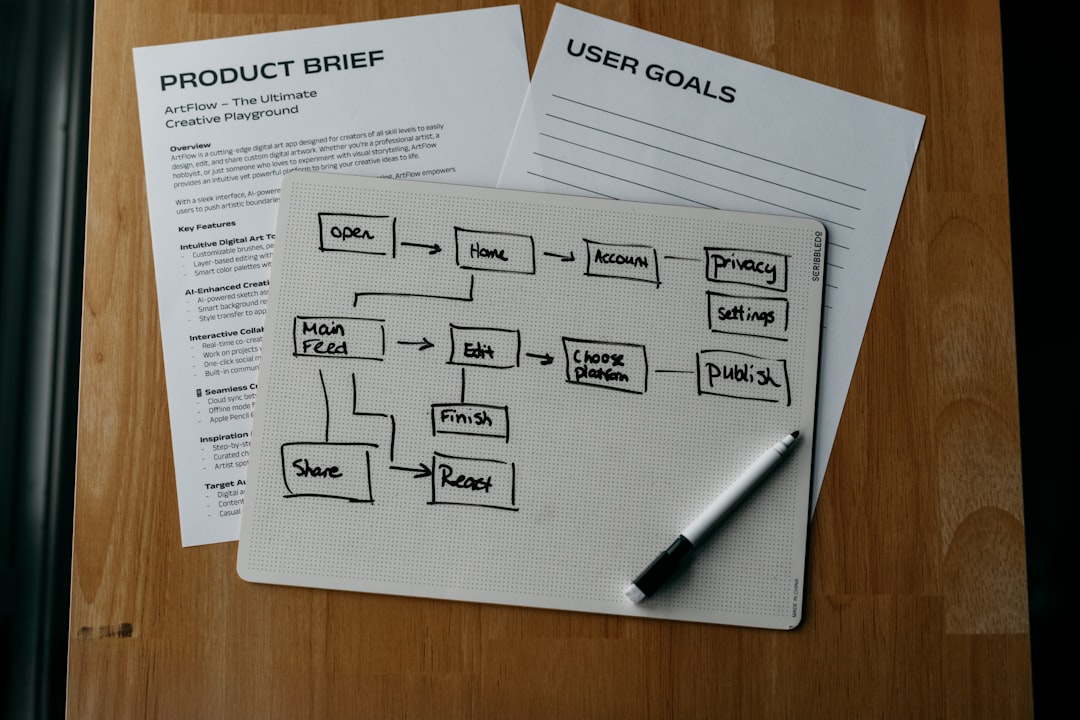
How Iterative Development Works
Although each organization may follow a slightly different process, iterative development normally includes several recurring stages:
- Planning: The team defines a small set of goals for the next cycle.
- Design: Designers, analysts, and developers shape the feature or improvement.
- Development: The team builds the selected functionality.
- Testing: Quality checks are performed to find bugs, usability issues, or performance problems.
- Review: Stakeholders examine the result and provide feedback.
- Refinement: The team uses lessons learned to improve the next iteration.
This cycle repeats until the product reaches the desired level of quality, usability, and business value. In many cases, the product continues to evolve even after launch because user needs and business conditions continue to change.
Examples of Iterative Development
Iterative development appears in many industries, but it is most visible in software, digital products, and product design.
Software applications: A project management tool may begin with basic task creation and assignment. Later iterations may add file sharing, calendar views, reporting dashboards, and automation. Each feature is shaped by real usage data and customer feedback.
Ecommerce websites: An online store may first launch with product listings, shopping cart functionality, and checkout. After analyzing behavior, the team may discover that customers leave when shipping costs appear too late. In the next iteration, shipping estimates may be shown earlier, improving conversion rates.
Game development: A studio may release a playable prototype to test movement, controls, and difficulty. Feedback from testers may lead to changes in level design, character abilities, or reward systems before the full game is released.
Internal business tools: A company may build a simple employee onboarding portal with document uploads first. Later cycles may add training modules, progress tracking, and automated reminders.
Iterative Development and Agile Practices
Iterative development is closely connected to Agile, although the two are not identical. Agile is a broader mindset and set of principles focused on collaboration, adaptability, customer value, and frequent delivery. Iterative development is one of the practical ways Agile teams make those principles work.
Common Agile practices that support iterative development include:
- Sprints: Short time-boxed work periods, often lasting one to four weeks, where teams complete a defined set of tasks.
- Backlog refinement: Regular review and prioritization of future work based on value, urgency, and feedback.
- Daily standups: Brief meetings where team members share progress, blockers, and next steps.
- Sprint reviews: Demonstrations of completed work to stakeholders for feedback.
- Retrospectives: Team discussions about what went well, what did not, and what should improve in the next cycle.
- Continuous integration: Frequent merging and testing of code to catch issues early.
These practices help teams maintain momentum while still adapting to new information. Instead of waiting months to learn whether a product direction is correct, an Agile team may gather meaningful feedback within days or weeks.

Benefits of Iterative Development
Reduced risk: Large projects often fail because problems are discovered too late. Iterative development exposes technical, usability, and business risks earlier, when they are usually easier and less expensive to fix.
Faster feedback: Stakeholders and users can react to working versions instead of abstract plans. This makes feedback more accurate and practical.
Improved product quality: Because testing and refinement happen repeatedly, defects and usability issues can be addressed throughout the project rather than only near the end.
Better alignment with user needs: User behavior often reveals needs that were not obvious during initial planning. Iterative development allows the product to evolve based on evidence rather than assumptions.
Greater flexibility: Priorities can change between iterations. If a competitor releases a new feature or customers request a different capability, the team can adjust future work without fully restarting the project.
Higher stakeholder confidence: Frequent demonstrations make progress visible. Executives, clients, and product owners can see tangible results and provide direction before too much time or budget is spent.
Potential Challenges
Although iterative development offers strong advantages, it also requires discipline. Without clear goals, teams may keep changing direction and struggle to finish. Poor feedback management can create confusion, especially when different stakeholders request conflicting changes.
Documentation can also become a challenge if teams move quickly without recording decisions. In highly regulated industries, teams may need to balance iteration with formal approval, audit trails, and compliance requirements.
Successful iterative development depends on clear priorities, strong communication, realistic planning, and a shared understanding of what each cycle should achieve.
Best Practices for Successful Iterations
- Keep iterations focused: Each cycle should have a clear objective and manageable scope.
- Use measurable outcomes: Teams should track metrics such as conversion rate, error rate, adoption, speed, or customer satisfaction.
- Test early and often: Testing should be integrated into every iteration, not saved for the end.
- Prioritize user value: Work should be selected based on what improves the product for users and the business.
- Review lessons learned: Retrospectives should lead to practical improvements, not just discussion.

FAQ
What is the main purpose of iterative development?
The main purpose is to improve a product gradually through repeated cycles of building, testing, feedback, and refinement. This helps teams learn early and reduce the risk of delivering the wrong solution.
Is iterative development the same as Agile?
No. Agile is a broader approach to project and product management, while iterative development is a method often used within Agile. Agile teams commonly rely on iterations to deliver value frequently.
What is an example of an iteration?
An iteration might be a two-week sprint in which a team adds password reset functionality, tests it, demonstrates it to stakeholders, collects feedback, and improves it in the next cycle.
Why is feedback important in iterative development?
Feedback helps teams understand whether the product meets real needs. It allows decisions to be based on user behavior, stakeholder input, and measurable results rather than assumptions.
What types of teams use iterative development?
Software teams, product designers, marketing teams, game studios, engineering groups, and business process teams can all use iterative development when work benefits from testing, learning, and continuous improvement.