Magento remains one of the most powerful ecommerce platforms for businesses that need flexibility, scalability, and advanced store management. However, the success of a Magento project depends heavily on the development company behind it. A well-chosen partner can build a fast, secure, and conversion-focused store, while the wrong choice can lead to delays, technical debt, and expensive fixes.
TLDR: Choosing the right Magento ecommerce development company requires more than comparing prices. A business should evaluate technical expertise, industry experience, portfolio quality, communication practices, and post-launch support. The best partner understands both development and business growth, helping create a store that performs well today and scales smoothly in the future.
Why the Right Magento Development Company Matters
Magento, now Adobe Commerce in its enterprise version, is a feature-rich platform designed for businesses that need more than a basic online store. It supports complex catalogs, multi-store setups, custom checkout flows, third-party integrations, international selling, and advanced marketing tools. Because of this complexity, Magento ecommerce website development requires deep technical knowledge.
A professional Magento development company should not simply install a theme and configure products. It should understand architecture, performance optimization, user experience, security, mobile responsiveness, and long-term maintenance. For growing businesses, the development company often becomes a strategic technology partner rather than a one-time vendor.

Define Business Goals Before Searching
Before selecting a development company, a business should clearly define what the Magento store must achieve. This helps both sides estimate costs, timelines, and technical requirements accurately. A company looking for a simple product catalog will have very different needs from a retailer requiring custom ERP integration, multiple warehouses, and international payment methods.
Important questions to clarify include:
- What type of products will be sold? Physical products, digital goods, subscriptions, or configurable items may require different setups.
- How many products and categories will the store include? Large catalogs require careful performance planning.
- Will the store need third-party integrations? Common integrations include CRM, ERP, accounting, shipping, analytics, and marketing automation tools.
- What are the expected traffic levels? Traffic volume affects hosting, caching, and scalability decisions.
- What is the desired launch timeline? A realistic timeline helps avoid rushed development and poor quality.
Evaluate Magento Expertise and Certifications
Magento development is specialized work. A strong development company should have proven experience with Magento Open Source, Adobe Commerce, or both. It should be comfortable working with custom modules, API integrations, theme development, checkout customization, performance tuning, and security patches.
Businesses should look for developers who understand Magento’s coding standards and architecture. Certifications can also be useful indicators. While a certification alone does not guarantee success, it shows that the team has invested in Magento-specific knowledge. More importantly, the company should be able to explain its technical process clearly and confidently.
It is also helpful to ask whether the company has experience with related areas such as:
- Magento version upgrades and migrations
- Custom extension development
- Headless commerce implementations
- Page speed optimization
- Security hardening and compliance
- Cloud hosting and server configuration
Review the Portfolio Carefully
A company’s portfolio reveals more than its design style. It shows the scale of projects it can handle, the industries it has served, and the level of customization it has delivered. When reviewing Magento ecommerce websites, businesses should look beyond screenshots and test the live sites if possible.
Useful things to examine include page load speed, navigation structure, mobile experience, product filtering, checkout flow, and overall usability. A visually attractive store is not enough if customers struggle to find products or complete purchases. The portfolio should demonstrate a balance between design, functionality, and performance.
If a development company has worked with similar industries, that can be a major advantage. For example, fashion, electronics, automotive parts, B2B wholesale, and health products often require different ecommerce features. Industry familiarity can reduce planning time and improve decision-making.

Check Client Reviews and References
Client reviews provide insight into how a Magento development company works in real situations. A business should look for patterns in feedback rather than relying on one or two testimonials. Positive signs include comments about meeting deadlines, solving problems, communicating clearly, and providing reliable support after launch.
When possible, the business should request references from previous clients. Speaking directly with a past client can reveal useful details, such as how the company handled changes, whether the final cost matched the estimate, and how responsive the team was during urgent situations.
Assess Communication and Project Management
Technical skill is important, but communication often determines whether the project runs smoothly. A reliable Magento development company should have a clear project management process. This may include discovery sessions, wireframes, technical documentation, milestone planning, quality assurance, and regular progress updates.
Businesses should pay attention to how the company communicates during the sales process. If the team is slow to respond, vague in answers, or unwilling to explain details, similar issues may appear during development. A good partner should be transparent about limitations, risks, timelines, and pricing.
Common project management tools may include task boards, shared documents, staging environments, and scheduled meetings. The goal is to make progress visible and reduce surprises.
Understand Pricing and Value
Magento ecommerce website development can vary widely in cost. A basic store may require a modest investment, while a highly customized solution can be significantly more expensive. Businesses should be cautious of quotes that seem unusually low. Magento development involves planning, design, coding, testing, deployment, and ongoing maintenance. Cutting corners usually leads to higher costs later.
Instead of choosing based only on price, decision-makers should compare value. A more experienced company may charge more but deliver cleaner code, better performance, fewer bugs, and stronger long-term support. The proposal should clearly explain what is included, what is excluded, and how additional work will be billed.
Ask About Support After Launch
A Magento store requires ongoing attention after it goes live. Security patches, extension updates, performance monitoring, bug fixes, feature improvements, and server maintenance are all part of long-term success. Therefore, the right development company should offer post-launch support or maintenance packages.
During evaluation, a business should ask what happens after launch. Will the company monitor the site? How quickly will support requests be handled? Are emergency fixes available? Is there a service-level agreement? Clear answers help prevent confusion when issues arise.
Prioritize Security and Performance
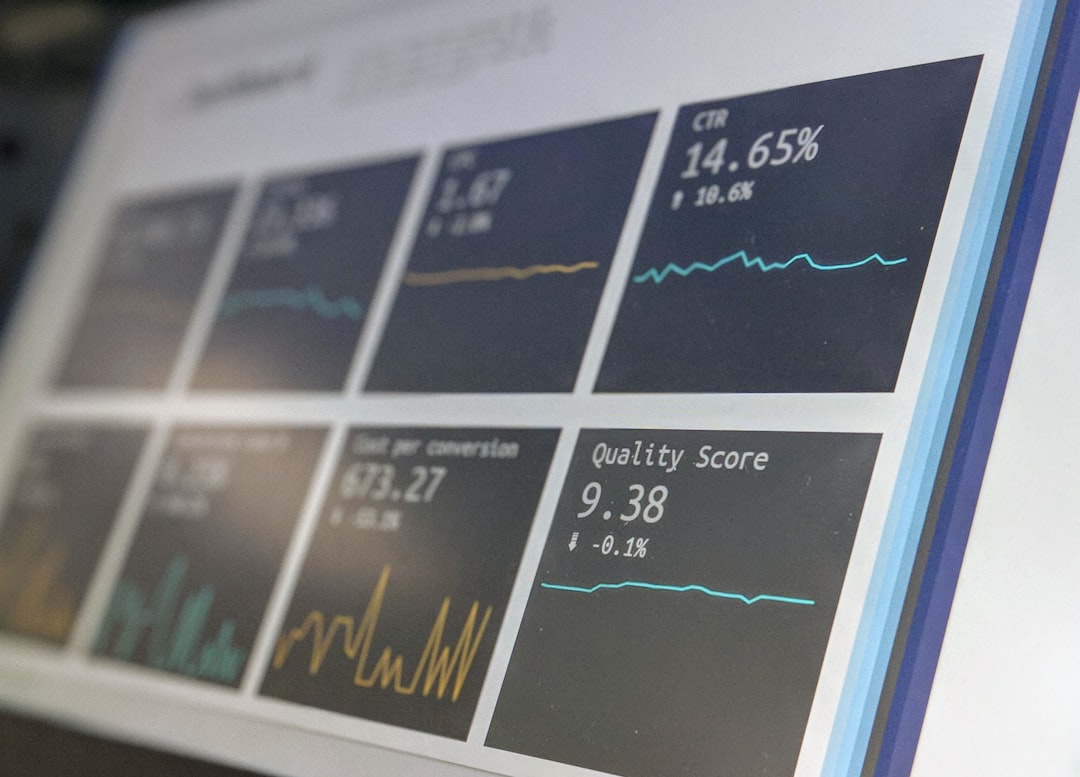
Security and speed are essential for ecommerce. Customers expect fast loading pages and safe transactions. Search engines also favor websites that deliver strong user experiences. A qualified Magento company should understand caching, image optimization, database performance, code quality, secure payment processing, and regular patch management.
Magento sites can become slow if they are poorly built or overloaded with unnecessary extensions. The development company should recommend only reliable extensions and should customize carefully when needed. It should also test the site across devices, browsers, and checkout scenarios before launch.
Look for a Long-Term Partnership Mindset
The best Magento ecommerce development company does not think only about launch day. It considers how the business will grow over the next several years. This includes scalability, future integrations, marketing flexibility, analytics, conversion optimization, and easier administration for the internal team.
A strong partner will ask thoughtful questions, challenge weak assumptions, and suggest improvements based on experience. It will not simply agree to every request without considering technical impact. This kind of guidance is especially valuable for businesses planning to expand their ecommerce operations.
Key Questions to Ask Before Hiring
- How many Magento projects has the company completed?
- Does the team specialize in Magento or work mainly on other platforms?
- Can it provide examples of similar ecommerce projects?
- What development and testing process does it follow?
- Who will manage communication during the project?
- How are changes, delays, and additional costs handled?
- What support is available after launch?
- How does the company approach site speed, security, and scalability?
Final Thoughts
Choosing the right Magento ecommerce website development company is a critical business decision. The ideal partner should combine technical Magento expertise with strong communication, strategic thinking, and reliable support. A business should take time to review portfolios, ask detailed questions, compare proposals, and confirm that the company understands its goals.
When the right development partner is selected, Magento can become a powerful foundation for ecommerce growth. It can support complex operations, improve customer experience, and help the business compete more effectively in a demanding online market.
FAQ
What is Magento ecommerce website development?
Magento ecommerce website development is the process of building, customizing, and maintaining an online store using the Magento platform. It can include design, coding, integrations, performance optimization, security, and ongoing support.
How much does Magento development cost?
The cost depends on project complexity, design requirements, integrations, catalog size, and customization needs. A simple store costs less, while a large custom ecommerce system requires a higher investment.
How long does it take to build a Magento website?
A basic Magento store may take a few weeks, while a custom project can take several months. Timelines depend on planning, features, content readiness, integrations, and testing requirements.
Should a business choose Magento Open Source or Adobe Commerce?
Magento Open Source is suitable for many small and mid-sized businesses that need flexibility. Adobe Commerce is often better for larger companies requiring advanced features, enterprise support, and complex scalability.
Why is post-launch support important?
Post-launch support keeps the store secure, updated, and performing well. It also helps the business fix issues quickly and add improvements as customer needs change.