The used phone market has become a major part of the global electronics economy. Consumers want affordable devices, retailers want reliable inventory, insurers need accurate condition reports, and recyclers want to recover maximum value from returned hardware. At the center of all of this is one crucial question: how do you know whether a used phone is truly working, accurately graded, and ready for resale? That is where phone testing tools for automated grading and certification have become essential.
TLDR: Automated phone testing tools help businesses quickly inspect used phones, verify hardware and software condition, assign consistent grades, and generate certification reports. These tools reduce human error, speed up processing, and build trust between sellers and buyers. For companies handling trade ins, returns, repairs, or resale inventory, automated testing is becoming the standard for profitable and transparent operations.
Why Automated Phone Testing Matters
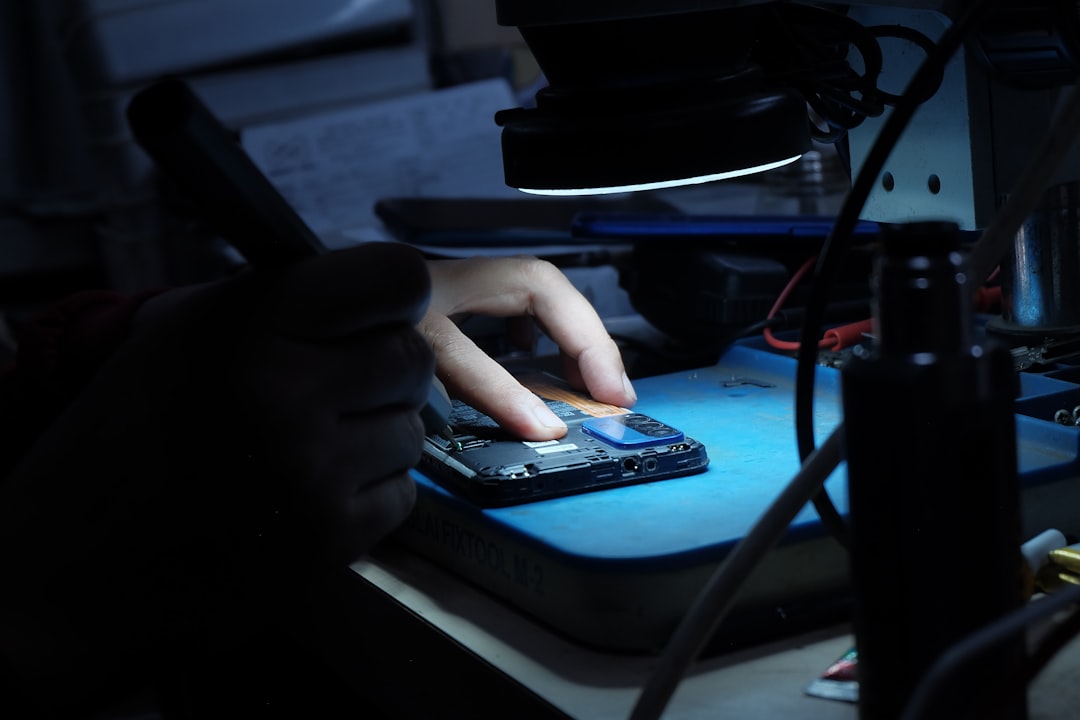
A used phone may look perfectly fine on the outside while hiding serious problems inside. The battery may be worn out, the touchscreen may have dead zones, Face ID may not work, the speakers may crackle, or the device may still be locked to a previous owner’s account. Manual inspection can catch some of these issues, but it is often inconsistent, slow, and dependent on the skill of the person performing the test.
Automated phone testing tools solve this problem by using software, connected hardware, guided workflows, and standardized diagnostics to evaluate each device in a repeatable way. Instead of relying only on a technician’s judgment, these platforms run a series of tests and produce measurable results. That makes it much easier to decide whether a phone should be graded as excellent, good, fair, repairable, or unsuitable for resale.
What These Tools Actually Test
Modern smartphones are complex devices with dozens of components that can fail independently. A strong automated testing platform checks both visible and invisible functions. The exact tests vary by tool, but most professional systems cover the following areas:
- Display performance: Screen brightness, color quality, burn in, dead pixels, touch sensitivity, and multi touch response.
- Camera systems: Front and rear cameras, autofocus, flash, zoom, lens clarity, and video recording.
- Audio components: Microphones, loudspeakers, earpiece speakers, vibration motors, and headphone or audio output functions.
- Connectivity: Wi Fi, Bluetooth, GPS, cellular signal, NFC, and sometimes SIM recognition.
- Buttons and ports: Power button, volume buttons, charging port, mute switch, USB or Lightning connection, and accessory detection.
- Battery health: Charge cycles, maximum capacity, charging behavior, discharge rate, and replacement recommendations.
- Biometric security: Fingerprint readers, facial recognition, proximity sensors, and ambient light sensors.
- Locks and security status: Activation lock, device blacklist status, carrier lock, operating system integrity, and reset readiness.
These checks are especially important because buyers often judge used phones by cosmetic appearance first. However, a shiny phone with a weak battery or faulty microphone can quickly become a customer service problem. Automated testing helps reveal those hidden risks before the device reaches the buyer.
From Testing to Grading
Testing is only one part of the process. The next step is grading. In the used phone industry, grading determines how a device is priced, where it is sold, and what type of warranty may be offered. Traditionally, grading has been subjective: one employee might consider light screen scratches acceptable for a “Grade A” device, while another might classify the same phone as “Grade B.”
Automated grading tools reduce this inconsistency by applying predefined rules. For example, a business can decide that a phone with battery health below 80 percent cannot receive a premium grade, even if it looks cosmetically flawless. A device with a failed camera test may automatically be routed to repair. A phone with a clean diagnostic score but minor cosmetic wear may receive a certified mid tier grade.
This approach creates a more transparent and scalable system. It also helps businesses train new staff faster because employees follow guided workflows instead of memorizing every grading rule manually.
The Role of Certification
Certification is the trust layer that sits on top of testing and grading. A certified used phone is not merely described as “working”; it comes with proof. Certification reports may include the device model, serial number or IMEI, test date, battery condition, functionality results, data erasure confirmation, lock status, and final grade.
For customers, this provides confidence. For sellers, it reduces disputes. For marketplaces and wholesalers, it creates a standardized language for condition and quality. A certification report can also support warranty claims because it shows what was verified before sale.
In a market where trust is often the hardest thing to sell, certification turns technical testing into a customer facing promise.
Key Features to Look for in Phone Testing Tools
Not all diagnostic platforms are equal. Some are simple apps designed for small shops, while others are enterprise systems built for warehouses processing thousands of devices a day. When evaluating a phone testing tool, businesses should consider several important features:
- Device compatibility: The tool should support a wide range of iOS and Android models, including older devices that still have resale value.
- Automated workflows: Guided testing should be simple enough for technicians to follow quickly without missing steps.
- Accurate battery analysis: Battery condition strongly affects resale value, so reliable battery reporting is essential.
- Data erasure integration: Secure wiping protects previous owners and helps businesses meet privacy requirements.
- Cosmetic grading support: Some systems include image capture or AI assisted visual assessment for scratches, dents, and cracks.
- Reporting and certificates: Clear, professional reports make it easier to sell devices and resolve disputes.
- Inventory integration: Links to warehouse systems, ecommerce platforms, and repair management tools can save significant time.
- Audit trails: A good system records who tested the phone, when it was tested, and what results were found.
How Automated Testing Improves Profitability
At first glance, phone testing tools may look like an operational expense. In practice, they often create profit by reducing waste, improving pricing, and preventing returns. A phone wrongly graded too low may be sold for less than it is worth. A phone wrongly graded too high may be returned, refunded, or reviewed negatively. Both mistakes cost money.
Automation helps businesses find the correct value of each device. It also speeds up processing. A high volume trade in operation may receive hundreds or thousands of phones in a single week. Without automated testing, each device becomes a bottleneck. With a structured testing platform, teams can process more inventory while maintaining consistent standards.
There is also value in routing. A device that fails one test does not necessarily have to be discarded. It may be sent to repair, harvested for parts, recycled, or sold through a different channel. Automated diagnostics help determine the best path quickly, improving recovery value across the entire inventory.
Benefits for Different Types of Businesses
Automated phone testing is useful across many parts of the mobile device ecosystem. Each business type benefits in a slightly different way:
- Retailers: Can offer certified pre owned phones with greater confidence and fewer customer complaints.
- Trade in companies: Can verify device condition before issuing final payment to customers.
- Repair shops: Can diagnose faults before and after repair, proving that work was completed properly.
- Wholesalers: Can standardize grading across large mixed lots of devices.
- Insurance providers: Can validate returned or replaced phones and detect damage patterns.
- Recyclers: Can identify devices worth refurbishing instead of immediately dismantling them.
In every case, the core advantage is the same: better information leads to better decisions.
AI and Computer Vision in Cosmetic Grading
One of the most interesting developments in phone testing is the use of artificial intelligence for cosmetic inspection. Functional diagnostics can tell whether a camera works, but cosmetic grading has historically required human judgment. AI assisted systems now use cameras and computer vision to detect scratches, cracks, dents, discoloration, and frame damage.
These systems are not always perfect, but they are improving rapidly. They can help reduce disagreements between employees and create a more consistent grading standard across multiple locations. For large resellers, even a small improvement in cosmetic grading accuracy can have a major financial impact.
Data Security and Compliance
Used phones often contain sensitive personal information. Photos, messages, banking apps, location history, and account credentials may still be present if a device has not been properly wiped. That makes secure data erasure one of the most important parts of the certification process.
Professional testing tools commonly include or integrate with certified data wiping workflows. These processes confirm that user data has been erased and produce records for compliance. This is valuable not only for customer privacy but also for businesses that must prove responsible handling of electronic devices.
A proper certification process should also check for activation locks and account locks. A phone that cannot be activated by a new owner has little resale value, even if the hardware works perfectly.
Challenges and Limitations
Automated tools are powerful, but they are not magic. Some tests still require human interaction, such as confirming exact cosmetic severity or noticing unusual wear patterns. Certain intermittent faults, such as a phone that overheats only after long use, may not be detected during a short diagnostic session. In addition, testing accuracy depends on keeping software updated as new phone models and operating systems are released.
Businesses should treat automated testing as part of a complete quality control system. The best results come from combining software diagnostics, trained technicians, clear grading rules, and periodic audits.
The Future of Used Phone Certification
The direction of the market is clear: buyers will expect more transparency, and sellers will need better proof. As used phones become more common, certification will likely become as important as cosmetic photos or product descriptions. We may see more standardized grading labels, digital certificates attached to each device, and marketplace requirements for verified diagnostic reports.
Future phone testing systems may also become faster and more predictive. Instead of simply reporting current battery health, they may estimate remaining useful life. Instead of only detecting visible damage, they may predict which devices are most likely to be returned. As AI, automation, and inventory data become more connected, the entire resale process will become smarter.
Conclusion
Phone testing tools for automated grading and certification are transforming the used mobile device industry. They help businesses move beyond guesswork by providing structured diagnostics, consistent grades, secure data handling, and trustworthy reports. For customers, they make buying a used phone less risky. For sellers, they improve efficiency, pricing accuracy, and reputation.
In a market built on second chances, the best tools do more than test phones. They create confidence. And as the demand for affordable, sustainable electronics continues to grow, automated testing and certification will become a defining standard for any serious used phone operation.