A successful platform launch or product release rarely happens by accident. It is usually the result of structured planning, clear ownership, disciplined testing, and coordinated communication across product, engineering, marketing, sales, support, operations, and leadership teams. When an organization treats launch planning as a strategic process rather than a final checklist, it improves adoption, reduces risk, and creates a stronger first impression in the market.
TLDR: A strong platform launch and product release plan defines goals, audiences, timelines, risks, responsibilities, and success metrics before the release date arrives. Teams should align early, validate the product thoroughly, prepare internal and external communications, and monitor performance after launch. The best launches combine technical readiness with market readiness, ensuring that customers understand the value and internal teams know how to support it.
Understanding the Purpose of Launch Planning
Launch planning provides the structure needed to move a product from development into the hands of users with minimal disruption and maximum impact. It helps an organization answer essential questions: Who is the product for? What problem does it solve? What must be ready before release? How will success be measured?
A platform launch may involve introducing an entirely new digital environment, marketplace, software system, subscription product, or infrastructure layer. A product release may involve a new feature, a major update, a redesigned experience, or a new version of an existing solution. Although the scale may differ, the planning principles remain similar. Each release needs alignment, preparation, testing, messaging, and follow-through.

Defining Launch Objectives
Every launch should begin with specific objectives. Without clear goals, teams may work hard but measure success inconsistently. Objectives guide decisions about scope, timelines, investment, promotion, support, and prioritization.
Common launch objectives include:
- Customer acquisition: Attracting new users, buyers, subscribers, or partners.
- User activation: Encouraging existing audiences to try a new product or feature.
- Revenue growth: Increasing sales, upgrades, renewals, or usage-based revenue.
- Market positioning: Establishing authority in a category or differentiating from competitors.
- Operational efficiency: Improving internal workflows, automation, or scalability.
- Customer retention: Delivering improvements that reduce churn and increase satisfaction.
Strong objectives should be measurable. Instead of aiming to “increase awareness,” a team might aim to generate a target number of demo requests, trial sign-ups, active users, or qualified leads within a defined time period.
Identifying the Target Audience
A launch plan must clearly define the audience. This includes primary users, buyers, influencers, internal stakeholders, and support teams. A platform may serve several audience segments, each with different needs and adoption barriers.
For example, a business software platform may need messaging for executives who approve budgets, managers who evaluate workflows, employees who use the system daily, and administrators who configure it. Each group may require different documentation, training, onboarding materials, and communication channels.
Audience research should inform product positioning. Teams may analyze customer interviews, support tickets, usage data, competitor reviews, market research, and pilot program feedback. The goal is to understand not only what customers need, but also what language they use to describe the problem.
Building the Launch Team
Cross-functional collaboration is central to release planning. A launch team usually includes representatives from product management, engineering, quality assurance, marketing, sales, customer success, support, legal, finance, operations, and analytics.
Each function should have clear responsibilities. Product teams define the release scope and customer value. Engineering teams confirm technical readiness. Marketing teams develop positioning, campaigns, content, and promotional assets. Sales teams prepare outreach and enablement materials. Support teams create knowledge base articles and escalation paths. Leadership teams remove blockers and ensure strategic alignment.
A launch owner or launch manager should coordinate the overall plan. This person tracks milestones, manages risks, communicates status, and ensures that no critical dependency is overlooked.
Creating the Release Scope
Release scope defines what is included, what is excluded, and what may be deferred. This step is especially important because launch timelines often become vulnerable to scope creep. As teams get closer to release, new requests may appear, and stakeholders may want to add features, integrations, design adjustments, or campaign elements.
A strong scope document should describe:
- The core product or feature set being released
- User stories or business requirements
- Technical dependencies and integrations
- Known limitations or deferred functionality
- Beta, pilot, or early access requirements
- Compliance, privacy, and security needs
- Launch geography, language, or market restrictions
Clear scope protects the launch date and helps teams make trade-offs. If a change threatens quality or timing, decision-makers can compare it against the launch objectives and decide whether it belongs in the current release or a future update.
Developing the Timeline and Milestones
A launch timeline should work backward from the target release date. It should include major milestones, dependencies, approval points, and contingency buffers. The timeline should be realistic enough to account for testing, review cycles, content production, internal training, and unexpected issues.
Typical milestones include:
- Strategy approval: Objectives, audience, positioning, and budget are confirmed.
- Product readiness review: Core functionality is developed and meets acceptance criteria.
- Quality assurance and testing: Bugs, performance issues, and usability problems are identified and resolved.
- Beta or pilot launch: A controlled group validates the experience before wider release.
- Marketing asset completion: Landing pages, emails, demos, videos, guides, and sales materials are finalized.
- Internal enablement: Sales, support, and customer-facing teams receive training.
- Go or no-go review: Stakeholders confirm whether the release is ready.
- Launch day execution: Product access, announcements, campaigns, and monitoring begin.
- Post-launch analysis: Results are reviewed and improvements are prioritized.

Preparing the Product for Release
Product readiness is more than finishing development. It includes testing, documentation, performance validation, security checks, accessibility review, analytics setup, and operational preparedness. A product that appears complete but lacks monitoring or support infrastructure may fail after launch.
Testing should include functional testing, regression testing, integration testing, load testing, usability testing, and device or browser compatibility checks when relevant. For platforms handling sensitive user data, privacy and security reviews are essential. Teams should confirm that permissions, data flows, compliance requirements, and audit trails are properly handled.
Analytics instrumentation should also be completed before launch. If tracking is added after release, the organization may lose valuable behavioral data from early users. Key events, funnels, conversion points, error states, and engagement metrics should be defined and tested in advance.
Crafting Positioning and Messaging
Marketing readiness determines whether the audience understands why the platform or product matters. Positioning should explain the product’s value in clear, customer-centered language. It should connect features to outcomes rather than simply listing functionality.
An effective messaging framework often includes:
- Value proposition: The primary benefit the product delivers.
- Problem statement: The pain point or opportunity being addressed.
- Audience definition: The users or buyers most likely to benefit.
- Differentiators: The reasons the product stands apart from alternatives.
- Proof points: Data, testimonials, case studies, or early results.
- Calls to action: The next steps the audience should take.
Messaging should be consistent across landing pages, press materials, product tours, email campaigns, social posts, sales decks, help documentation, and onboarding flows. Inconsistency can confuse customers and weaken trust.
Planning Internal Enablement
Internal teams need preparation before customers hear about the release. Sales teams should understand the product’s benefits, pricing, objections, qualification criteria, and competitive position. Customer success teams should know which customers are ideal candidates, how to introduce the update, and what adoption signals to monitor. Support teams should have troubleshooting guides, escalation processes, and known issue documentation.
Enablement materials may include product briefs, demo scripts, FAQ documents, objection-handling guides, training sessions, recorded walkthroughs, and internal announcement posts. The goal is to ensure that every customer-facing team can explain the launch accurately and confidently.
Managing Risk and Contingency Plans
No launch is risk-free. Effective planning identifies risks early and defines response plans. Risks may include technical instability, delayed approvals, data migration errors, low adoption, unclear messaging, customer confusion, support overload, compliance issues, or campaign underperformance.
A risk register can help teams prioritize concerns based on likelihood and impact. Each risk should have an owner, mitigation plan, and escalation path. For high-impact launches, teams may also prepare rollback procedures, backup communication plans, extended support coverage, and incident response workflows.
Contingency planning does not signal pessimism. It signals maturity. When a team has already discussed possible problems, it can respond faster and with less confusion if something goes wrong.
Executing the Launch Day Plan
Launch day should follow a detailed checklist. The sequence may include final product deployment, smoke testing, analytics verification, campaign activation, website updates, email distribution, sales notifications, press outreach, social media posts, customer announcements, and live monitoring.
Communication channels should remain active throughout the day. Teams should know where to report bugs, customer feedback, support volume, campaign issues, and executive updates. A launch command center, whether virtual or physical, helps consolidate decision-making and reduce scattered communication.
Monitoring Post-Launch Performance
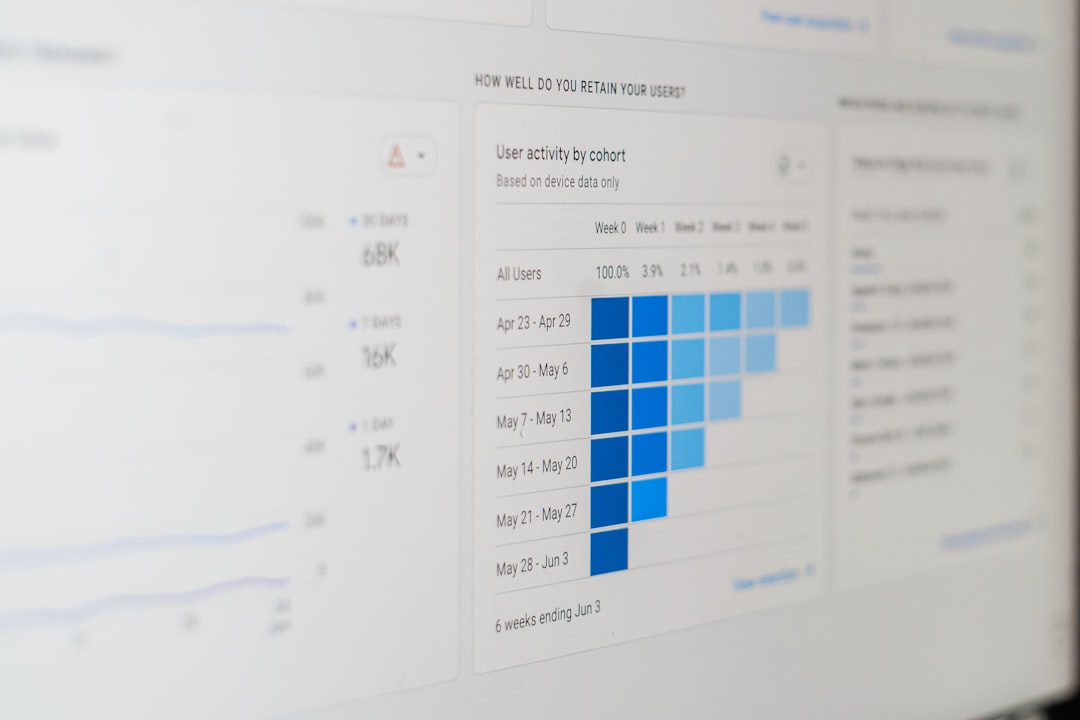
The launch is not complete when the announcement goes live. Post-launch monitoring reveals whether the product is working as expected and whether customers are responding positively. Teams should compare actual performance against the goals defined at the beginning of the process.
Important post-launch metrics may include:
- Sign-ups, activations, upgrades, or purchases
- Feature adoption and usage frequency
- Conversion rates across launch campaigns
- Customer feedback and satisfaction scores
- Support ticket volume and issue categories
- System uptime, latency, errors, and performance
- Retention, renewal, or churn indicators
Qualitative feedback is equally important. Customer interviews, sales notes, support conversations, reviews, and community discussions can reveal friction points that analytics alone may not explain.
Conducting a Post-Launch Review
A post-launch review helps the organization learn from the experience. This meeting should examine what worked, what missed expectations, what risks appeared, which assumptions were incorrect, and what should change next time.
The review should avoid blame and focus on improvement. Teams should document lessons learned, update launch templates, refine timelines, and prioritize product enhancements based on real user behavior. A strong post-launch process turns each release into a source of institutional knowledge.
Best Practices for Better Launches
- Start planning early: Launch strategy should begin before development is complete, not after.
- Align stakeholders: Leadership, product, technical, and commercial teams should share the same goals.
- Use written plans: Documentation reduces confusion and preserves decisions.
- Validate with users: Beta testing and pilot feedback reduce market and usability risk.
- Prepare support: Customers should never know more about a launch than the support team does.
- Measure outcomes: Success should be evaluated through agreed metrics, not opinions alone.
- Keep improving: A release is a milestone, not the end of product development.
Conclusion
Platform launch and product release planning combines strategy, execution, communication, and continuous learning. When an organization uses a structured approach, it can reduce uncertainty, improve customer experience, and increase the likelihood that the product achieves its business goals. The strongest launches are not merely announcements; they are coordinated efforts that connect a valuable product with the right audience at the right time.
FAQ
What is the difference between a platform launch and a product release?
A platform launch usually introduces a broader system, environment, or ecosystem, while a product release may refer to a new feature, update, version, or standalone product. Both require planning, testing, messaging, and post-launch monitoring.
How early should launch planning begin?
Launch planning should begin as early as possible, often during product discovery or development planning. Larger launches may require several months of preparation, while smaller releases may need only a few weeks.
Who should own the launch plan?
A launch manager, product marketer, product manager, or program manager may own the plan, depending on the organization. The owner should coordinate teams, track milestones, manage risks, and communicate status.
What should be included in a launch checklist?
A launch checklist should include product readiness, testing, documentation, messaging, sales enablement, support preparation, analytics setup, campaign assets, stakeholder approvals, deployment steps, and post-launch monitoring.
How is launch success measured?
Success is measured against predefined goals such as adoption, revenue, conversion rates, engagement, retention, customer satisfaction, support volume, and system performance. Both quantitative data and qualitative feedback should be reviewed.
What happens after the launch?
After launch, teams should monitor performance, resolve issues, collect feedback, compare results against goals, and conduct a post-launch review. The insights should inform future updates and improve the next release process.