A tax ID number is the number the government uses to identify you or your business for tax reporting, payments, hiring, banking, and official records. Before you use one, you need to know which type you have, when to share it, how to protect it, and what can go wrong if it is used incorrectly.
TLDR: A tax ID number can be a Social Security number, EIN, ITIN, or another IRS-recognized identifier, depending on who is using it and why. For example, a freelancer earning $12,000 from three clients may use an SSN on tax forms, while an LLC hiring two employees usually needs an EIN. Nearly 33 million small businesses operate in the U.S., and many need an EIN for banking, payroll, or vendor paperwork. Use the right number, store it safely, and do not hand it out unless there is a real tax or legal reason.
1. A Tax ID Number Is Not Always the Same Thing
The phrase tax ID number sounds simple, but it can mean several different things. The right one depends on whether you are an individual, a business owner, a foreign taxpayer, an employer, or a paid tax preparer.
Here are the most common types:
- Social Security Number (SSN): Used by U.S. citizens and eligible residents for personal taxes, wages, credit, and benefits.
- Employer Identification Number (EIN): Used by businesses, trusts, estates, nonprofits, and employers.
- Individual Taxpayer Identification Number (ITIN): Used by certain people who need to file U.S. taxes but are not eligible for an SSN.
- Adoption Taxpayer Identification Number (ATIN): A temporary number used during some domestic adoption cases.
- Preparer Tax Identification Number (PTIN): Used by paid tax preparers who file returns for others.
Honestly, it feels like the same number should work everywhere, but it does not. A sole proprietor may use an SSN for taxes, but a bank may still ask for an EIN to open a business account. A landlord may ask a contractor for a tax ID on a W-9. A payment processor may ask again before releasing funds. Annoying? Yes. Normal? Also yes.
2. You Need the Right Tax ID for the Right Job
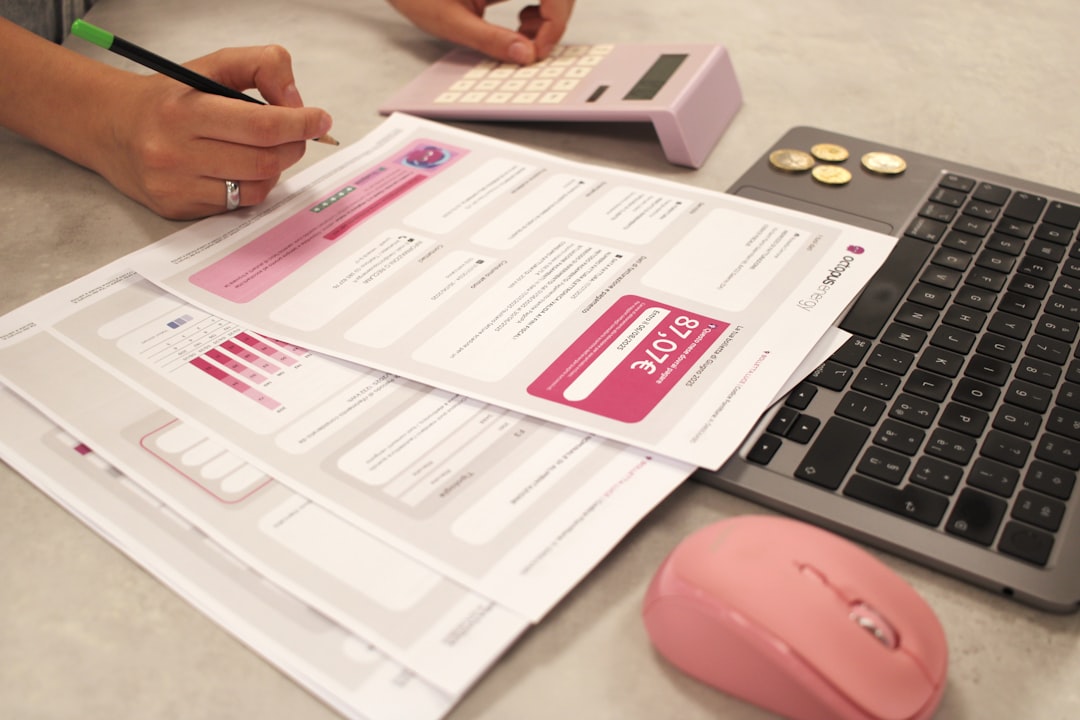
Using the wrong tax ID can slow down payments, trigger tax notices, or create messy records. If your business income gets reported under your personal SSN when it should be tied to an EIN, your tax forms may not match your return. That mismatch can lead to letters from the IRS or state tax agency.
Common situations where a tax ID is needed include:
- Starting a business and opening a business bank account.
- Hiring employees and running payroll.
- Receiving contractor payments reported on Form 1099.
- Filing federal or state tax returns.
- Applying for business licenses or permits.
- Working with vendors that request a W-9 form.
- Setting up retirement plans or certain benefit programs.
If you are a sole proprietor with no employees, you may not need an EIN for federal tax filing. Still, many owners get one anyway. It helps separate personal and business records. It also keeps your SSN off vendor forms, which is a small win for privacy.
3. A Tax ID Is Sensitive Information
A tax ID number is not just another form field. It can be used to open accounts, file false returns, create fake payroll records, or commit identity theft. That means you should treat it like a password you cannot easily change.
The catch is that businesses ask for tax IDs all the time. Some requests are valid. Others are sloppy. Expect to waste time on portals that demand your number before explaining why they need it. If a company asks for your SSN or EIN, ask what form they need it for and how they store it.
Safe handling tips:
- Do not send your tax ID by regular email unless there is no safer option.
- Use secure portals when submitting W-9, W-8, payroll, or banking documents.
- Limit access to bookkeepers, payroll staff, and trusted tax professionals.
- Store documents in encrypted folders or secure cloud systems.
- Shred old paper forms that show your SSN, EIN, or ITIN.
If you think your number has been misused, act quickly. Check IRS notices, bank activity, payroll records, and state tax accounts. For SSN misuse, you may also need to contact the Federal Trade Commission and credit bureaus.

4. Getting an EIN Is Usually Free and Fast
If you need an EIN, you can usually apply through the IRS for free. Many business owners get one online in minutes. The online EIN application is available only during certain hours, and it must be completed in one session. If the page times out, you may have to start over. It drives me crazy that a basic timeout can turn a five-minute task into a 20-minute repeat session.
You may need an EIN if your business:
- Has employees.
- Operates as a corporation or partnership.
- Files employment, excise, alcohol, tobacco, or firearms tax returns.
- Withholds taxes for non-wage income paid to a nonresident alien.
- Has a Keogh plan.
- Works with certain trusts, estates, nonprofits, or cooperatives.
Be careful with paid sites that charge for EIN applications. Some are legitimate filing services, but many make the process look more official than it is. If you are comfortable applying yourself, the IRS does not charge a fee.
For an ITIN, the process is different. You usually file Form W-7 and provide proof of identity and foreign status. This can take weeks. In some cases, certified copies or approved acceptance agents are involved. That is not a quick formality, so plan ahead if a tax deadline is close.
5. Your Tax ID Affects Banking, Payments, and Tax Forms
Your tax ID must match your legal name or business name. This sounds minor, but mismatches cause real problems. Payment platforms may freeze payouts. Banks may reject applications. Clients may ask you to redo tax forms. The IRS may flag information returns if names and numbers do not line up.
For example, if your LLC is registered as Riverbend Studio LLC, but you give a client your personal name with the LLC’s EIN, their 1099 filing may fail a matching check. The fix might be simple, but it still creates back-and-forth messages at the worst time: tax season.
Use these checks before submitting a tax ID:
- Confirm the legal name tied to the number.
- Use the same format on bank, payroll, and tax documents.
- Update records after name changes, mergers, entity changes, or ownership changes.
- Keep the original IRS EIN confirmation letter, often called CP 575.
- Give vendors a fresh W-9 if your business name or tax classification changes.

Quick Example: Freelancer vs. LLC With Employees
Picture two people. Mia is a freelance designer. She earns $28,000 from client projects and has no employees. She may use her SSN on W-9 forms, though she might choose to get an EIN for privacy.
Now picture Andre. He forms an LLC, opens a studio, and hires one assistant. Andre needs an EIN for payroll, tax deposits, and business banking. If he uses his SSN in some places and his EIN in others, his records can become messy fast.
The difference is not income alone. It is the structure, the workers, the tax forms, and the accounts involved.
Before You Use a Tax ID, Ask These Questions
- Who is asking for it? A client, bank, payroll provider, tax agency, or unknown website?
- Why do they need it? Tax reporting, identity verification, employment, or account setup?
- Which number is correct? SSN, EIN, ITIN, PTIN, or another identifier?
- Does the name match? Personal name, legal business name, or disregarded entity name?
- How will it be stored? Secure portal, encrypted file, paper form, or exposed inbox?
A tax ID number is useful, but it is not harmless. Use it with care. Keep records clean. Share it only when the request makes sense. If you are unsure which number applies, ask a qualified tax professional before you file forms or send sensitive data.