A well-tied bow tie is one of the clearest signs that a man understands formal dress. It is small, but it carries considerable weight: it frames the face, completes the shirt collar, and signals care without unnecessary display. Whether worn with a tuxedo, dinner jacket, morning dress, or a sharply tailored suit, the bow tie should look balanced, intentional, and appropriate for the occasion.
TLDR: The best bow tie knot for men’s formal wear is the classic self-tie butterfly knot, because it looks refined without appearing artificial. The key techniques are choosing the right bow shape, adjusting the neck size properly, keeping the knot centered, and allowing a slight natural asymmetry. Pre-tied bow ties are convenient, but for serious formal occasions, a self-tied bow tie is the more elegant and credible choice.
The Importance of a Proper Bow Tie Knot
In formal menswear, details matter. A tuxedo can be beautifully cut, the shirt can be crisp, and the shoes can be polished, but a poorly tied bow tie can weaken the entire presentation. The bow tie sits directly beneath the face, making it one of the first elements people notice. For this reason, the knot should appear neat, proportionate, and secure.
The goal is not mechanical perfection. In fact, a self-tied bow tie should have a subtle human quality. A perfectly symmetrical, flat bow often looks pre-tied or overly staged. A proper knot should be balanced, but it should also show a slight variation in the wings. This small imperfection gives the bow tie character and distinguishes it from mass-produced alternatives.
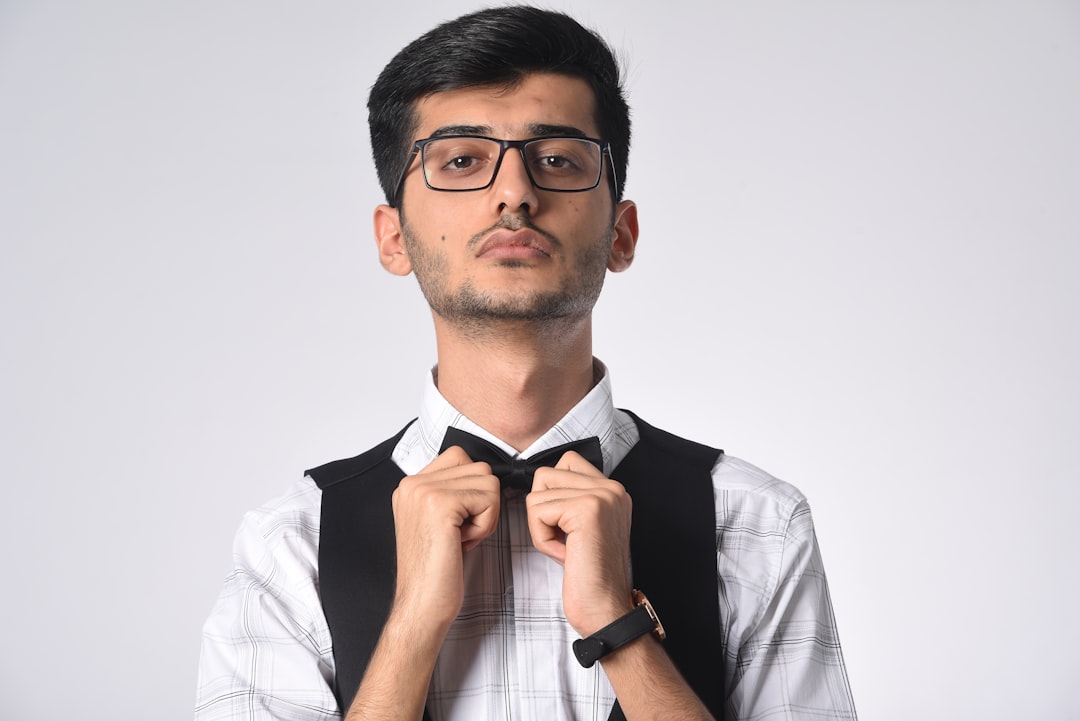
Choosing the Right Bow Tie Shape
Before learning the best knot techniques, it is important to understand bow tie shapes. Different shapes create different impressions, and the most appropriate choice depends on the formality of the event, the wearer’s face shape, and the collar style.
- Butterfly bow tie: This is the most traditional and versatile formal option. It has broad wings and works especially well with tuxedos and dinner jackets.
- Semi butterfly bow tie: Slightly slimmer than the classic butterfly, this shape is refined and modern without looking trendy. It is often the safest choice for most men.
- Batwing bow tie: Narrow and straight, the batwing creates a clean, understated look. It suits slimmer faces and minimalist formal outfits.
- Diamond point bow tie: With pointed ends, this style has a slightly more distinctive character. It can be elegant, but it should be worn with confidence and restraint.
For black tie events, the black silk self-tie butterfly or semi butterfly bow tie is the most reliable option. It complements the lapels of a dinner jacket and maintains the established language of formal evening wear.
The Classic Self Tie Bow Tie Knot
The classic self-tie knot is the foundation of formal bow tie technique. It is created in a manner similar to tying shoelaces, though it requires more patience because it must sit neatly at the collar. This knot is suitable for black tie, white tie, weddings, galas, award ceremonies, and formal dinners.
- Place the bow tie around your neck: Adjust it so one end hangs about one and a half inches lower than the other. The longer end will be used first.
- Cross the longer end over the shorter end: Bring the longer end across the front, then up through the neck loop. Pull gently to create a snug foundation.
- Form the front bow: Fold the shorter end horizontally across the front of your collar. This creates the visible front wing of the bow tie.
- Drop the longer end over the center: Let it fall vertically across the folded front bow. This forms the central knot area.
- Fold the hanging end: Pinch it into a bow shape and push it through the loop behind the front bow.
- Tighten carefully: Pull opposite ends of the bow, alternating between front and back loops, until the knot is secure and balanced.
The final step is where most men rush, and it is also where the knot is truly formed. Tightening should be gradual. Pulling too hard on one side can distort the entire bow. Instead, work slowly until the knot sits firmly against the collar band without choking the neck.
Technique One: Creating a Balanced Center Knot
The center knot is the anchor of the bow tie. A weak or loose center makes the bow look careless, while an overly tight knot can make it appear strained. The best formal result is a compact center that holds the bow in place while allowing the wings to retain shape.
To achieve this, keep the initial neck loop snug but not tight. If the base is too loose, the finished bow will sag. If it is too tight, the knot will be difficult to complete and may twist. When pulling the final bow into position, focus on the hidden back loops as much as the visible front ends. Many men only adjust what they can see, but the back portion controls much of the structure.
A reliable rule: the bow tie should sit centered between the collar points and directly above the top shirt stud or button. If it leans to one side, loosen it slightly and correct the alignment before tightening again.
Technique Two: Managing Asymmetry Properly
A self-tied bow tie should not look identical on both sides. Slight asymmetry is a mark of authenticity. However, there is a difference between natural irregularity and poor execution. One wing may sit a little higher than the other, or one side may have a slightly fuller curve. That is acceptable. What should be avoided is a collapsed wing, a twisted center, or a bow that appears visibly off balance.
The most effective way to manage asymmetry is to adjust the bow in stages. First, secure the knot. Second, widen or narrow the wings. Third, refine the angle. Finally, flatten any obvious creases with your fingers. Do not attempt to remove every wrinkle. Silk and grosgrain have texture, and a little movement in the fabric is part of the appeal.
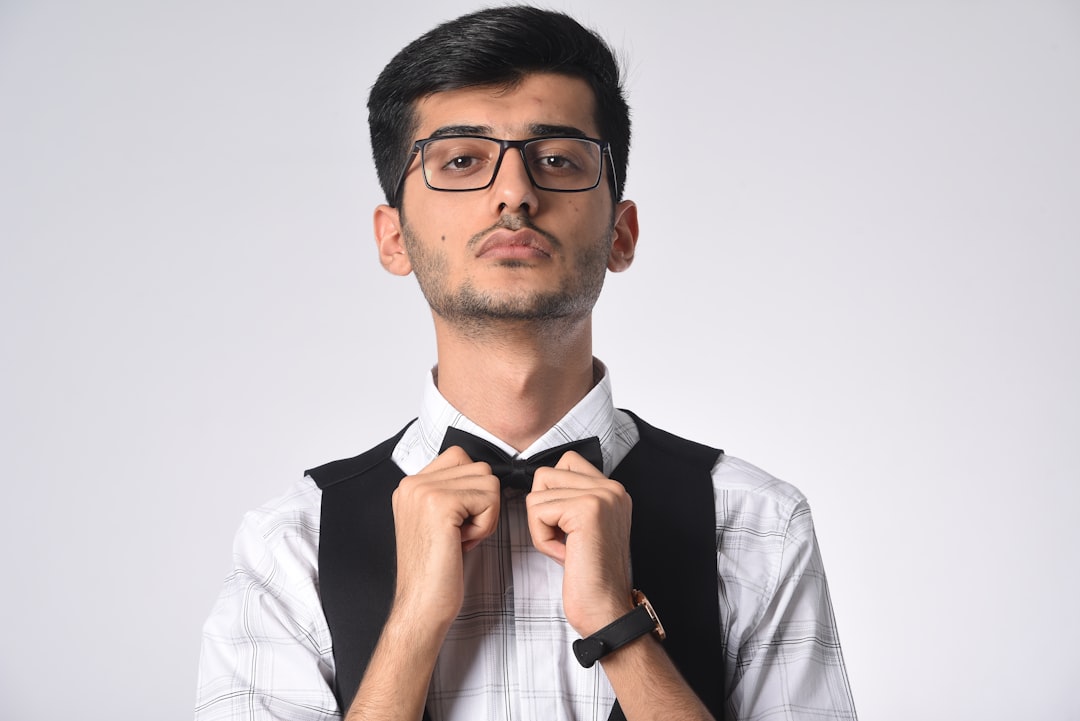
Technique Three: Matching the Knot to the Collar
The bow tie knot must work with the shirt collar. In formal wear, the two most common collar choices are the wing collar and the turn down collar. Each requires a slightly different approach.
A wing collar is traditionally associated with white tie and very formal evening dress. When wearing a wing collar, the bow tie must sit cleanly in front of the collar wings, not underneath them. The knot should be neat and compact, because it is more exposed. A sloppy knot is especially noticeable with this collar style.
A turn down collar is common for black tie and is often easier to wear well. It frames the bow tie more naturally and hides part of the band. With this collar, the bow can be slightly fuller, especially if paired with a shawl collar or peak lapel dinner jacket.
Regardless of collar style, the bow tie should not be wider than the broadest part of the wearer’s face. As a general guide, it should align roughly with the outer edges of the eyes or the width of the collar points.
Technique Four: Selecting the Right Fabric
Fabric affects how a bow tie knot behaves. Some materials create crisp knots, while others produce softer shapes. For serious formal wear, the best fabrics are traditionally silk satin, silk grosgrain, and silk barathea.
- Silk satin: Smooth and slightly reflective, it pairs well with satin lapels and creates a polished evening look.
- Silk grosgrain: Ribbed and more matte, it works beautifully with grosgrain lapels and offers excellent knot stability.
- Silk barathea: Subtle and textured, it is highly traditional and often preferred for understated elegance.
For black tie, the bow tie should generally match the lapel facing. Satin lapels call for a satin bow tie; grosgrain lapels call for a grosgrain bow tie. This consistency creates a disciplined and harmonious appearance.
Common Bow Tie Mistakes to Avoid
Even men who dress well can make avoidable bow tie mistakes. The most common is wearing the bow too loose. A loose bow tie drops away from the collar and makes the shirt look untidy. Another mistake is tying the bow too large. Oversized bows can appear theatrical unless the wearer has the face shape and proportions to support them.
- Avoid pre-tied bow ties for important formal events when possible. They are easy to recognize and lack the distinction of a self-tied bow.
- Do not leave the band visible at the back of the neck if the collar should cover it.
- Do not choose novelty patterns for serious formal wear. Black, midnight blue, or very restrained tones are more appropriate.
- Do not overtighten the knot until the bow is aligned. Once silk is crushed, it can be difficult to restore during the evening.
Best Knot Approach for Different Formal Events
Different occasions call for different levels of restraint. For a traditional black tie event, a black self-tie butterfly bow in silk is the standard. The knot should be firm, moderate in size, and paired with a proper dinner shirt. For a wedding, there may be more flexibility, especially if the dress code is black tie optional. A semi butterfly or diamond point bow tie can be appropriate, provided the color and fabric remain elegant.
For white tie, standards are stricter. The bow tie should be white cotton piqué or another appropriate formal fabric, and it must be self-tied. The knot should be clean, compact, and worn with a wing collar. In this setting, shortcuts are particularly noticeable and should be avoided.
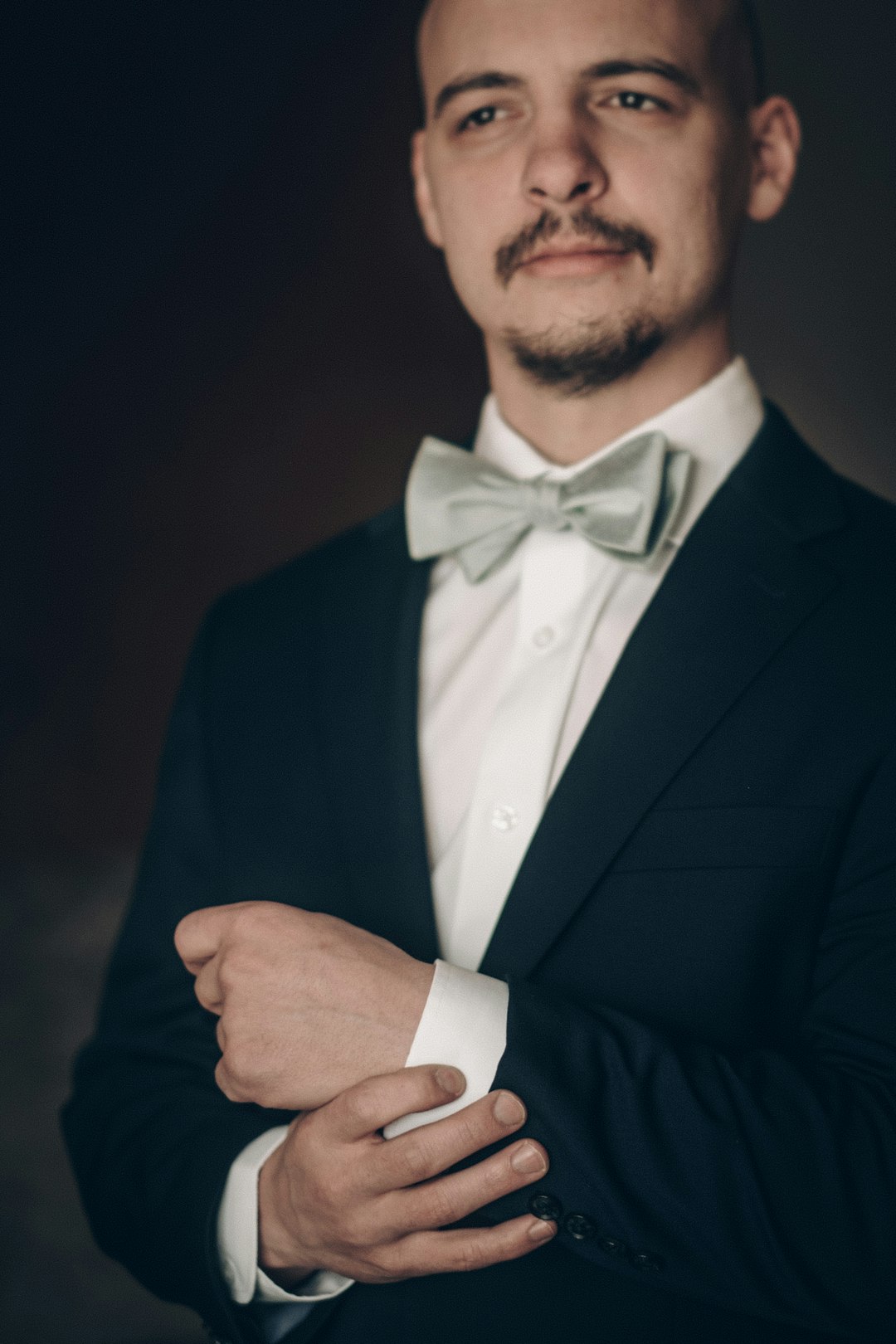
How to Practice the Knot
The best time to learn a bow tie knot is not ten minutes before an event. Practice several days ahead, standing in front of a mirror with the shirt you plan to wear. Tie and untie the bow repeatedly until the steps become familiar. It is also helpful to practice without looking for part of the process, because a bow tie is partly tied by feel.
If the bow tie has adjustable sizing, set it to your exact collar size before practicing. An incorrect setting will make the knot harder to control. Once you find the right length, leave it there. Consistency makes practice more effective and helps produce a better knot on the day of the event.
Final Standard for a Well Tied Bow Tie
A properly tied bow tie should meet four standards: it should be secure, centered, proportionate, and naturally shaped. It should sit close to the collar without pulling the shirt out of position. The wings should be visible and balanced, but not rigid. The knot should look deliberate, not accidental.
For men’s formal wear, the best bow tie technique is ultimately a combination of tradition, proportion, and practice. The classic self-tie knot remains the most respected choice because it reflects effort and understanding. When tied well, it does not call attention to itself; instead, it supports the entire formal outfit with quiet authority.