Breckenridge, Colorado sits high in the Rocky Mountains, and its elevation is one of the first things travelers notice when planning a ski vacation or mountain getaway. The town is famous for historic charm, deep winter snow, scenic alpine terrain, and a ski resort that rises to some of the highest lift-served elevations in North America.
TLDR: Breckenridge’s town altitude is about 9,600 feet above sea level, while Breckenridge Ski Resort reaches a summit elevation of about 12,998 feet. This high altitude creates excellent snow conditions and dramatic mountain views, but it can also affect breathing, hydration, sleep, and energy levels. Visitors should plan for altitude adjustment, drink plenty of water, take it easy on the first day, and be prepared for colder, stronger mountain weather.
Breckenridge Altitude: The Key Numbers
The town of Breckenridge is located at approximately 9,600 feet, or about 2,926 meters, above sea level. That makes it one of the highest-elevation resort towns in Colorado and a noticeably different environment from lower cities such as Denver, which is already known as the “Mile High City” at about 5,280 feet.
For skiing, the altitude climbs even higher. Breckenridge Ski Resort has a base elevation of roughly 9,600 feet and a summit elevation of about 12,998 feet. The resort’s lift-served terrain reaches extremely high alpine areas, including terrain accessed near the Imperial Express SuperChair, one of the highest chairlifts in North America.
- Town elevation: About 9,600 feet
- Ski resort base elevation: About 9,600 feet
- Summit elevation: About 12,998 feet
- Elevation gain: Roughly 3,398 feet from base to summit
Why Breckenridge’s Altitude Matters for Skiing
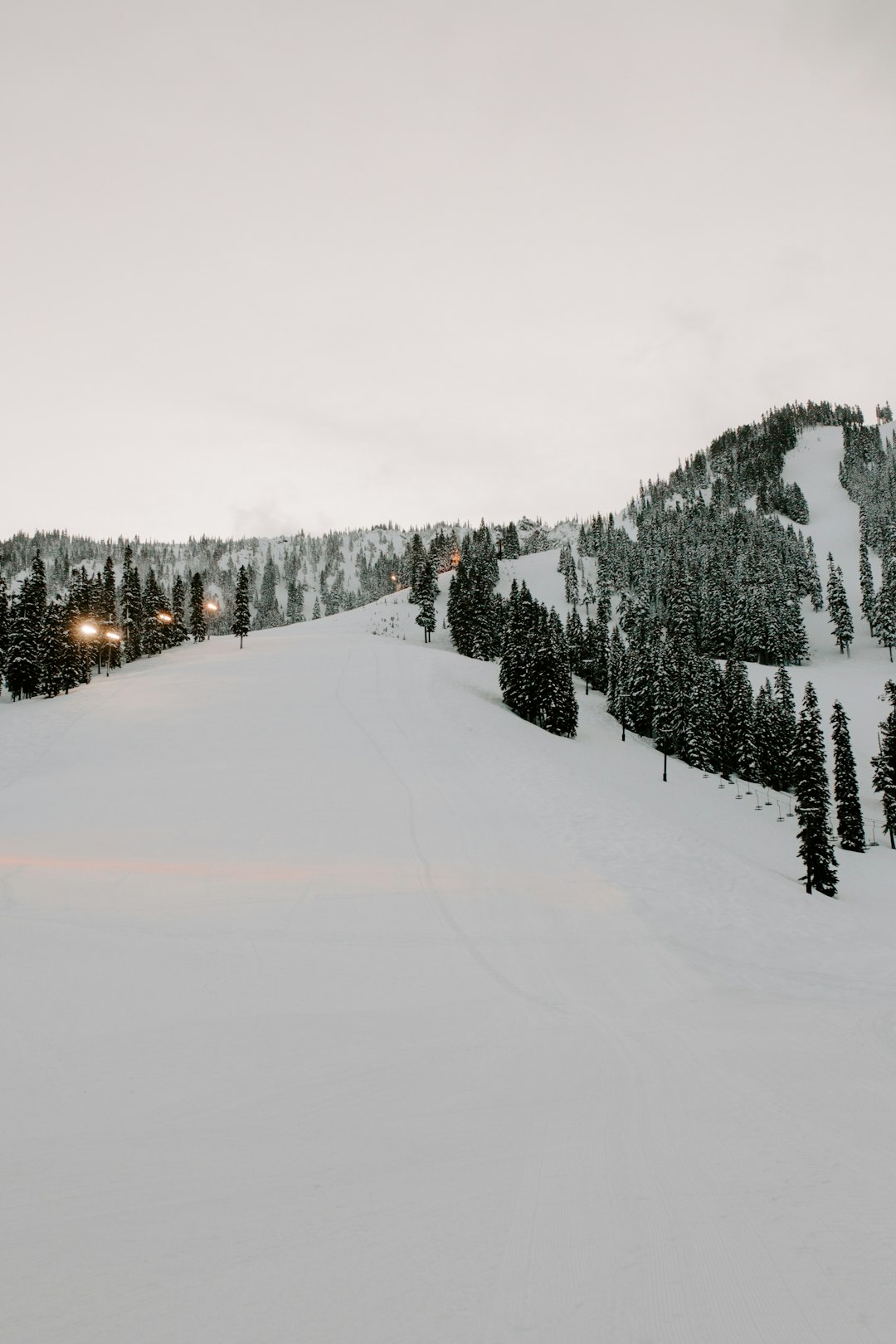
Breckenridge’s high elevation is a major reason the ski area receives reliable snow and maintains a long winter season. Colder temperatures at altitude help preserve snow quality, especially on upper mountain terrain. Skiers and snowboarders often find that snow conditions remain firmer and fresher at higher elevations, particularly after storms.
The resort spans several peaks, with terrain for beginners, intermediates, advanced skiers, and experts. The higher alpine bowls offer open views, steep pitches, and a true high-mountain experience. For experienced skiers, this altitude is part of Breckenridge’s appeal. The thinner air, wide-open terrain, and dramatic views create a setting that feels distinctly different from lower-elevation ski destinations.
However, elevation also affects physical performance. At nearly 10,000 feet in town and close to 13,000 feet at the summit, the air contains less oxygen than at sea level. Skiers may become tired faster, feel short of breath more easily, or need more rest between runs. Even fit travelers can notice the difference, especially during the first day or two.
Altitude and Travel Comfort
For travelers arriving from lower elevations, Breckenridge’s altitude can be surprising. A simple walk through town, climbing stairs, or carrying luggage may feel more strenuous than expected. The body usually adapts over time, but the first 24 to 48 hours are important for acclimatization.
Many visitors arrive through Denver International Airport, then travel by car or shuttle to Breckenridge. This means they move from about 5,280 feet in Denver to 9,600 feet in Breckenridge within a few hours. That quick elevation gain can increase the chance of altitude-related symptoms.
Common altitude effects may include:
- Headache
- Fatigue
- Shortness of breath
- Dizziness
- Nausea
- Difficulty sleeping
- Loss of appetite
These symptoms are often mild and temporary, but they should not be ignored. Visitors who feel significantly worse, experience confusion, severe shortness of breath, chest pain, or persistent vomiting should seek medical help promptly.
How to Adjust to Breckenridge’s High Elevation
Travelers can make their Breckenridge trip more comfortable by taking simple steps before and after arrival. The most important strategy is to allow time for the body to adjust. Skiing hard immediately after arrival may increase fatigue and discomfort, especially for guests coming from sea level.
Helpful altitude tips include:
- Hydrate early and often: The mountain air is dry, and dehydration can worsen altitude symptoms.
- Limit alcohol at first: Alcohol can intensify dehydration and disrupt sleep.
- Take the first day slowly: Light activity, walking through town, or an easy ski session may be better than a full day of aggressive runs.
- Eat balanced meals: Carbohydrates can be helpful because they are easier for the body to use at altitude.
- Rest when needed: Extra breaks can make skiing and sightseeing more enjoyable.
- Consider spending a night in Denver: Some travelers prefer a gradual ascent before continuing to Breckenridge.
Acclimatization is not about fitness alone. Even athletes can experience altitude effects, while some less-active travelers may adjust quickly. The body’s response varies from person to person.
Weather Conditions at Breckenridge Altitude
Breckenridge’s altitude strongly influences its weather. Temperatures are generally colder than in lower valleys, and conditions can change quickly. A sunny morning may become windy or snowy by afternoon, especially near the upper lifts and exposed alpine bowls.
Because the resort reaches nearly 13,000 feet, wind chill can be significant. Skiers heading to higher terrain should dress in layers and protect exposed skin. Goggles, gloves, insulated jackets, thermal base layers, and face coverings are often important, particularly in midwinter.
The sun is also stronger at high altitude. With less atmosphere filtering ultraviolet rays, sunburn can happen quickly, even on cold days. Snow reflection increases exposure, making sunscreen and UV-protective eyewear essential for both skiers and non-skiers.
Breckenridge Altitude Compared with Other Colorado Ski Towns
Breckenridge is high even by Colorado standards. Many famous ski towns sit above 8,000 feet, but Breckenridge’s town elevation of about 9,600 feet places it among the higher major resort communities.
- Breckenridge: About 9,600 feet
- Vail: About 8,150 feet
- Aspen: About 7,900 feet
- Telluride: About 8,750 feet
- Keystone: About 9,280 feet
This higher setting helps Breckenridge preserve snow, but it also means visitors should be more altitude-aware than they might be in lower resort towns. Travelers who have previously felt fine in Vail or Aspen may still notice the extra elevation in Breckenridge.
What the Altitude Means for Non-Ski Travelers
Breckenridge is not only a ski destination. Many visitors come for shopping, dining, snowshoeing, scenic drives, festivals, summer hiking, mountain biking, and historic attractions. The altitude affects these activities as well.
Walking along Main Street may be comfortable for most travelers, but uphill routes and icy sidewalks can feel demanding. In summer, hiking trails above town gain elevation quickly. A hike that looks short on a map may feel more challenging because of thinner air, steep grades, and changing weather.
For families, older travelers, and anyone with heart or lung conditions, planning is especially important. A slower schedule, frequent hydration stops, and lower-intensity activities during the first day can help make the trip more enjoyable.
Sleeping at 9,600 Feet
Sleep can be affected by Breckenridge’s elevation. Some visitors notice lighter sleep, more frequent waking, vivid dreams, or mild restlessness during the first nights. This happens because the body is adapting to lower oxygen levels.
Good hydration, avoiding heavy alcohol use, and keeping the first evening relaxed may help. Travelers should also remember that dry mountain air can irritate the throat and nose. A humidifier, saline spray, or extra water by the bed may improve comfort.
Is Breckenridge Too High for Some Visitors?
For most healthy travelers, Breckenridge is manageable with common-sense precautions. Still, its altitude is high enough that certain visitors should consult a medical professional before traveling. People with significant heart disease, respiratory illness, prior severe altitude sickness, or pregnancy-related concerns may need personalized advice.
Breckenridge also has medical services familiar with altitude-related conditions. Travelers should not hesitate to seek assistance if symptoms feel severe or unusual. Rest, hydration, oxygen support, and descent to a lower elevation may be recommended depending on the situation.
Best Ways to Enjoy Breckenridge at Altitude
The altitude of Breckenridge is part of what makes the destination special. It brings crisp air, snowy winters, panoramic views, and access to dramatic alpine terrain. With thoughtful preparation, travelers can enjoy the advantages while reducing discomfort.
A smart Breckenridge itinerary often begins gently. The first day might include checking into lodging, walking Main Street, drinking water, eating a good meal, and sleeping early. Skiers may choose easier runs at the beginning of the trip before exploring steeper or higher terrain. By the second or third day, many visitors feel stronger and more comfortable.
In short, Breckenridge’s altitude is both a highlight and a consideration. It should not discourage travel, but it should shape planning. Visitors who respect the elevation are more likely to enjoy the mountain, the town, and the memorable scenery that define Breckenridge.
FAQ
What is the altitude of Breckenridge, Colorado?
Breckenridge sits at about 9,600 feet above sea level, or approximately 2,926 meters.
What is the highest elevation at Breckenridge Ski Resort?
Breckenridge Ski Resort reaches a summit elevation of about 12,998 feet, making it one of the highest ski resorts in North America.
Can visitors get altitude sickness in Breckenridge?
Yes. Because Breckenridge is nearly 10,000 feet above sea level, some visitors may experience headaches, fatigue, nausea, shortness of breath, or trouble sleeping, especially during the first day or two.
How can travelers prevent altitude sickness in Breckenridge?
Travelers can reduce risk by drinking plenty of water, limiting alcohol, eating well, resting on arrival, and avoiding intense activity during the first day. Some may also benefit from spending a night at a lower elevation before arriving.
Is Breckenridge higher than Denver?
Yes. Denver is about 5,280 feet above sea level, while Breckenridge is about 9,600 feet. That is a difference of more than 4,000 feet.
Does the high altitude improve skiing conditions?
Breckenridge’s altitude helps support colder temperatures and reliable snow, especially on upper mountain terrain. This is one reason the resort is known for a long ski season and strong snow quality.
Is Breckenridge safe for people with medical conditions?
Many people visit safely, but those with heart conditions, lung disease, prior severe altitude sickness, or other health concerns should speak with a medical professional before traveling to high elevation.
How long does it take to adjust to Breckenridge altitude?
Many visitors begin adjusting within 24 to 48 hours, though full acclimatization can take longer. A slower first day often makes the overall trip more comfortable.