In construction, trust is often built before a contract is signed. A well-designed visiting card helps create that first impression with clarity, professionalism, and confidence. Whether you are a contractor, civil engineer, architect, builder, site supervisor, renovation specialist, or construction materials supplier, your card should communicate reliability, capability, and brand discipline in a small but powerful format.
TLDR: A construction visiting card should be simple, professional, and easy to read, with clear contact details and a strong brand identity. Use durable materials, strong typography, suitable colors, and construction-related design elements without overcrowding the layout. Focus on trust, credibility, and practical information so potential clients can remember you and contact you quickly.
Why a Construction Visiting Card Still Matters
Even in a digital-first business environment, a physical visiting card remains valuable in the construction industry. Construction work is relationship-based, and many business opportunities begin at site meetings, supplier visits, exhibitions, inspections, and local networking events. A visiting card gives people something tangible to keep, share, and refer to later.
More importantly, a card reflects how you manage details. If your visiting card is poorly aligned, cluttered, or printed on weak material, people may subconsciously connect that lack of care with your work quality. On the other hand, a clean and confident card suggests that your business is organized, professional, and dependable.
A good construction visiting card is not just a contact card. It is a compact branding tool that supports your reputation.
Start with a Clear Brand Position
Before choosing colors or graphics, define what your construction business stands for. Are you focused on high-end residential projects, commercial buildings, renovation, structural work, road construction, interior contracting, electrical and plumbing services, or material supply? Your card should match your market position.
For example, a luxury interior contractor may use a clean, minimal design with premium finishes, while a heavy civil contractor may prefer a strong, industrial look. A local home renovation company may benefit from a warm, approachable layout, while an engineering consultancy may need a more technical and precise visual style.
Ask yourself these questions before designing:
- What services do I want people to remember first?
- Who is my ideal client? Homeowners, developers, architects, government departments, or businesses?
- What qualities should the card communicate? Strength, safety, speed, precision, affordability, or premium craftsmanship?
- Is my existing logo professional enough for print?
The answers will guide the layout, colors, typography, and information hierarchy.
Use a Professional and Balanced Layout
The layout is the foundation of a successful visiting card. Construction businesses should avoid overly decorative designs that distract from essential information. The best layouts are structured, balanced, and easy to scan within a few seconds.
A standard visiting card usually has two sides. The front side can feature your logo, business name, and tagline, while the back side can include your name, role, phone number, email, website, address, and key services. This approach keeps the design organized and allows each element to breathe.
Use alignment carefully. In construction branding, straight lines, grids, and geometric structure often feel more appropriate than free-flowing or artistic arrangements. A grid-based layout reflects planning, accuracy, and engineering discipline.
Important layout principles include:
- Keep enough white space: Empty space makes the card easier to read and more premium in appearance.
- Prioritize information: Your name, business name, and phone number should stand out clearly.
- Avoid overcrowding: Do not list every service if it makes the card look congested.
- Use consistent margins: Uneven spacing can make the design look unprofessional.
- Balance both sides: If one side is highly visual, keep the other side clean and practical.
Choose Colors That Reflect Strength and Trust
Color has a major impact on how people perceive your construction brand. The most common construction colors include black, gray, navy, yellow, orange, white, and earthy tones. These colors are associated with strength, machinery, safety, concrete, steel, and worksite environments.
Yellow and black are often linked to safety signs and construction equipment. Gray and navy communicate professionalism and stability. Orange suggests energy, visibility, and action. White helps create a clean, modern feel.
However, using too many colors can weaken the design. A serious and trustworthy card usually works best with two or three main colors. For example, you might use dark charcoal as the base, safety yellow as an accent, and white for text. This produces a strong contrast while keeping the design controlled.
If your company already has brand colors, use them consistently. Your visiting card should match your website, uniforms, vehicle branding, proposal documents, and site boards. Consistency strengthens recognition and makes your business look more established.
Select Strong, Readable Typography
Typography is one of the most important elements of visiting card design. Construction brands generally benefit from fonts that feel solid, modern, and easy to read. Sans-serif fonts are often a safe choice because they look clean and professional at small sizes.
Avoid thin, overly decorative, or handwritten fonts. They may look stylish on screen but can become difficult to read when printed. Your contact details must remain clear, even under poor lighting or when the card is viewed quickly at a busy site.
Recommended typography approach:
- Use one font for headings and another simple font for contact details, or use one font family with different weights.
- Keep the business name bold and prominent.
- Use a readable size for phone numbers and email addresses.
- Avoid using all capital letters for long lines of text.
- Maintain strong contrast between text and background.
Readability is more important than decoration. A card that looks impressive but cannot be read easily fails its main purpose.
Include the Right Information
A construction visiting card should provide enough information to make contact easy, but not so much that it becomes cluttered. Include the details that matter most to your clients and partners.
Essential information usually includes:
- Your full name
- Your job title or role
- Company name and logo
- Phone number
- Email address
- Website or portfolio link
- Office address or service area
You may also include a short service list such as Residential Construction, Commercial Projects, Renovation, Structural Work, Project Management. Keep this list brief. If you offer many services, direct people to your website instead of crowding the card.
For modern convenience, you can add a QR code that links to your website, project portfolio, map location, or WhatsApp contact. If you use a QR code, make sure it is tested before printing and placed in a clean area with enough space around it.
Use Construction Related Visual Elements Carefully
Construction imagery can make your card more relevant, but it must be used with restraint. Common visual elements include building outlines, cranes, helmets, tools, blueprints, concrete textures, steel patterns, road lines, measurement marks, and geometric shapes.

The goal is to suggest your industry without making the card look generic or crowded. A subtle blueprint background, a fine line building icon, or a small crane silhouette can work well. Heavy images, low-quality photos, or too many icons can reduce the professional feel.
If you use project photography, choose only high-quality images that represent your best work. Poorly lit site photos, unfinished work areas, or cluttered backgrounds can damage your credibility. In many cases, a clean graphic style looks more serious and timeless than a full photo background.
Highlight Your Logo and Brand Identity
Your logo should be one of the strongest elements on the visiting card. It represents your business even when you are not present. Place it where it can be seen immediately, but do not make it so large that it overwhelms the card.
A good construction logo often uses strong shapes, stable proportions, and clear symbolism. It may include a roofline, building structure, crane, lettermark, shield, pillar, or abstract geometric form. Whatever style you choose, it should remain clear at small sizes and print sharply.
Make sure your logo file is high resolution and suitable for professional printing. Pixelated logos are a serious problem because they make the entire card look careless. If your logo is outdated or unclear, consider improving it before designing your visiting card.
Choose Quality Paper and Finishing
The physical feel of the card matters. Construction clients may keep your card in a wallet, file, vehicle, or office drawer. A thin, flimsy card can easily bend or tear, while a thicker card feels more reliable and premium.
Consider paper thickness, texture, and finish carefully. Matte finishes look serious and are easy to read. Glossy finishes can make colors look vibrant but may reflect light. Textured paper can feel premium, especially for architects and high-end builders. For rugged construction brands, extra-thick stock can communicate strength.
Useful finishing options include:
- Matte lamination: Clean, professional, and resistant to fingerprints.
- Spot UV: Adds shine to selected areas such as the logo.
- Embossing: Creates a raised effect for a premium touch.
- Foil stamping: Works well for luxury construction or real estate brands.
- Rounded corners: Can improve durability and create a modern appearance.
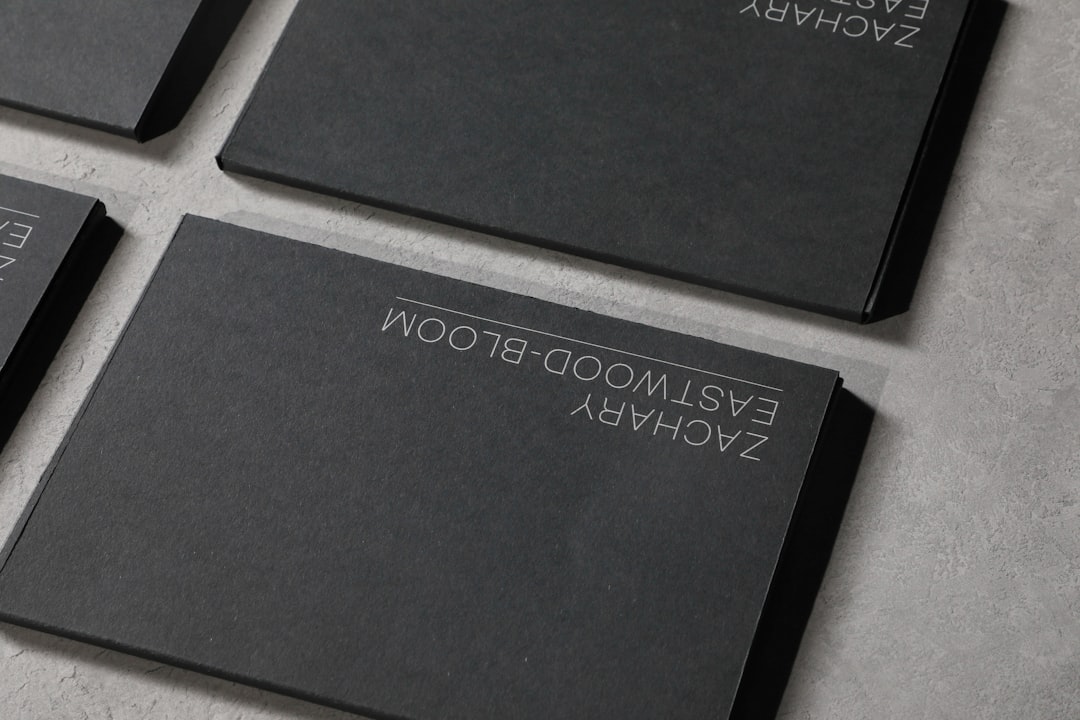
Do not use finishing only for decoration. Choose finishes that support your brand message. A civil engineering firm may prefer a clean matte card, while a luxury villa contractor may benefit from embossing or foil.
Maintain Print Accuracy and Technical Quality
A professional visiting card must be prepared correctly for printing. Even a good design can fail if the print file is poorly set up. Use proper bleed, safe margins, high-resolution graphics, and print-ready color settings.
Before final printing, review every detail carefully. Check spelling, phone numbers, email addresses, website links, QR codes, logo clarity, and alignment. It is wise to print a sample or proof before ordering a large quantity.
Common mistakes to avoid:
- Using low-resolution images or logos
- Placing text too close to the card edge
- Choosing colors that print differently than expected
- Using very small font sizes
- Adding too many services or unnecessary details
- Forgetting to update old contact information
Match the Card with Your Overall Business Materials
Your visiting card should not look separate from the rest of your brand. It should connect visually with your letterheads, quotation formats, invoices, safety documents, presentation folders, uniforms, vehicle graphics, site signage, and website. This consistency helps clients recognize your business across different touchpoints.
For example, if your site boards use navy and yellow, your visiting card should use the same color system. If your proposals use a specific font and logo placement, repeat that style on the card. A unified brand system gives the impression of a stable and well-managed company.
Design for Practical Use
Construction environments are not always clean or controlled. Visiting cards may be exchanged at dusty sites, in vehicles, during inspections, or at busy meetings. Therefore, practical design choices matter.
Use strong contrast so the card is readable outdoors. Choose a durable finish if the card will be handled frequently. Avoid extremely dark cards if fingerprints and scratches will be visible. If clients often write notes on your cards, consider leaving one side partially blank or using a writable matte surface.
A practical card is not necessarily plain. It simply respects the real conditions in which construction professionals work.
Final Thoughts
A construction visiting card should communicate more than your phone number. It should express professionalism, reliability, and the quality standards of your business. By using a clear layout, disciplined typography, strong brand colors, suitable materials, and well-chosen details, you can create a card that supports trust from the first meeting.
In a competitive construction market, small details can influence big decisions. A serious, well-designed visiting card shows that you value presentation, planning, and professionalism. When it is consistent with your wider brand identity and easy to use in real business situations, it becomes a practical tool for building stronger connections and winning more opportunities.