A great salesperson is not just a good talker; a great salesperson improves faster, studies buyer signals, and uses feedback before the next call. Good salespeople hit activity targets and know the product. Great salespeople diagnose pain, control the conversation, and coach the buyer toward a clear decision. That gap is exactly where tools like Gong, Mindtickle, and other sales enablement platforms prove their value.
TLDR: Gong is strongest for call intelligence, deal inspection, and coaching from real conversations. Mindtickle is stronger for structured training, readiness programs, certifications, and skill development at scale. For example, a 40 rep SaaS team may find that reps who review three Gong calls per week improve discovery quality by 18%, while reps who complete Mindtickle role play certifications ramp 25% faster. The best teams often use both: Gong shows what happens in the field, and Mindtickle trains reps to fix it.
Good Salesperson vs Great Salesperson
A good salesperson follows the playbook. They make calls, send emails, present features, and ask for the close. They may hit quota in a healthy territory or with strong inbound demand.
A great salesperson creates clarity. They know when a buyer is stalling. They ask sharper questions. They can spot risk in a deal before the forecast meeting turns awkward. They do not depend on charm alone.
- Good salespeople explain the product.
- Great salespeople connect the product to business pain.
- Good salespeople follow up after calls.
- Great salespeople set next steps before the call ends.
- Good salespeople accept objections.
- Great salespeople unpack the reason behind them.
The hard part is that managers cannot coach what they cannot see. That is why sales technology matters. It gives leaders proof, not guesses.

Gong: Best for Conversation Intelligence
Gong records, transcribes, and analyzes sales calls, emails, and deal activity. It helps managers see what reps actually say to buyers, not what they claim happened in the CRM.
Its strongest use case is real call coaching. A manager can review discovery calls, track talk ratios, search for competitor mentions, and compare winning calls against losing ones. That makes coaching much less vague.
For example, Gong might show that top performers ask pricing questions 12 minutes later than average reps. That kind of detail can change behavior fast. It turns coaching from “ask better questions” into “stop pitching in the first five minutes.”
Where Gong shines:
- Call recording and transcription
- Deal risk alerts
- Keyword and topic tracking
- Manager coaching moments
- Forecast inspection
- Competitive intelligence from real buyer calls
Honestly, it feels like some teams buy Gong and expect the platform to coach reps by magic. It does not. Managers still need to listen, tag moments, and create behavior change. Gong provides the evidence. The sales leader must turn that evidence into action.
Mindtickle: Best for Sales Readiness and Training
Mindtickle focuses on sales readiness. It helps teams train reps, test knowledge, run role plays, track certifications, and measure skill progress across the sales organization.
If Gong answers, “What happened on the call?” Mindtickle answers, “Is this rep ready to handle that call?”
This matters most for onboarding, product launches, methodology training, and compliance-heavy sales motions. A new account executive can complete video modules, submit practice pitches, receive manager feedback, and get certified before speaking with key prospects.
Where Mindtickle shines:
- New hire onboarding
- Sales methodology training
- Product knowledge checks
- Role play assignments
- Manager scoring
- Skill dashboards by rep, team, or region
The catch is that readiness platforms can become content graveyards. If training takes 14 clicks to reach or modules feel like recycled slide decks, reps will rush through them. Great sales enablement teams keep lessons short, practical, and tied to real selling moments.
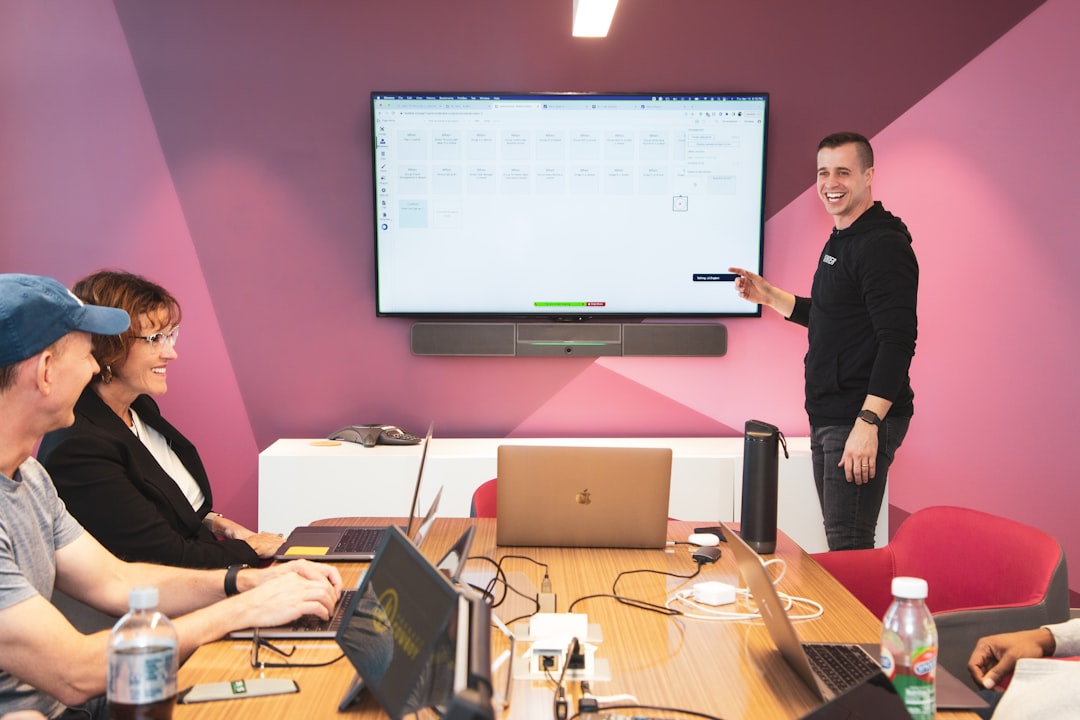
Gong vs Mindtickle: Which One Builds Better Salespeople?
The answer depends on the problem.
| Need | Better Fit |
|---|---|
| Analyze real buyer conversations | Gong |
| Train reps before live calls | Mindtickle |
| Improve forecast accuracy | Gong |
| Run certification programs | Mindtickle |
| Coach based on real objections | Gong |
| Standardize onboarding | Mindtickle |
For many mid-market and enterprise teams, the choice is not either-or. Gong can reveal that reps struggle with procurement objections. Mindtickle can then push a short objection-handling module, a practice scenario, and a certification. That loop is powerful.
Other Tools That Help Build Exceptional Sales Skills
Gong and Mindtickle are strong, but they are not the only useful options.
- Salesloft: Good for sales engagement, cadences, and activity tracking. It helps reps stay consistent with outbound work.
- Outreach: Strong for sequencing, pipeline generation, and rep productivity. It is useful for teams with complex outbound motions.
- Chorus by ZoomInfo: Similar to Gong in call intelligence, with solid conversation analytics and coaching features.
- Highspot: Strong for sales content, buyer engagement, and enablement programs.
- Seismic: Useful for content management, training, and buyer-facing materials, especially in large companies.
- Lessonly by Seismic: Helpful for simple training paths, practice, and rep coaching.
- Spekit: Strong for in workflow learning, especially for CRM tips and quick process reminders.
Expect to waste time on tool overlap if ownership is unclear. One team may store scripts in Highspot, another may train in Mindtickle, while managers coach in Gong. Reps then spend 30 seconds searching for the right asset every time they need help. That sounds small, until it happens 20 times a week.
What Great Sales Development Really Requires
Tools do not create great sellers on their own. They support a system. The system needs clear skills, regular practice, real feedback, and measurable standards.
Great teams usually define what excellence looks like in four areas:
- Discovery: Can the rep uncover pain, impact, urgency, and decision criteria?
- Messaging: Can the rep explain value in plain language?
- Objection handling: Can the rep respond without sounding defensive?
- Deal control: Can the rep secure clear next steps and mutual commitment?
Once those skills are defined, the tools become easier to use. Gong can measure call behavior. Mindtickle can train weak areas. Sales engagement tools can support practice through better activity structure.
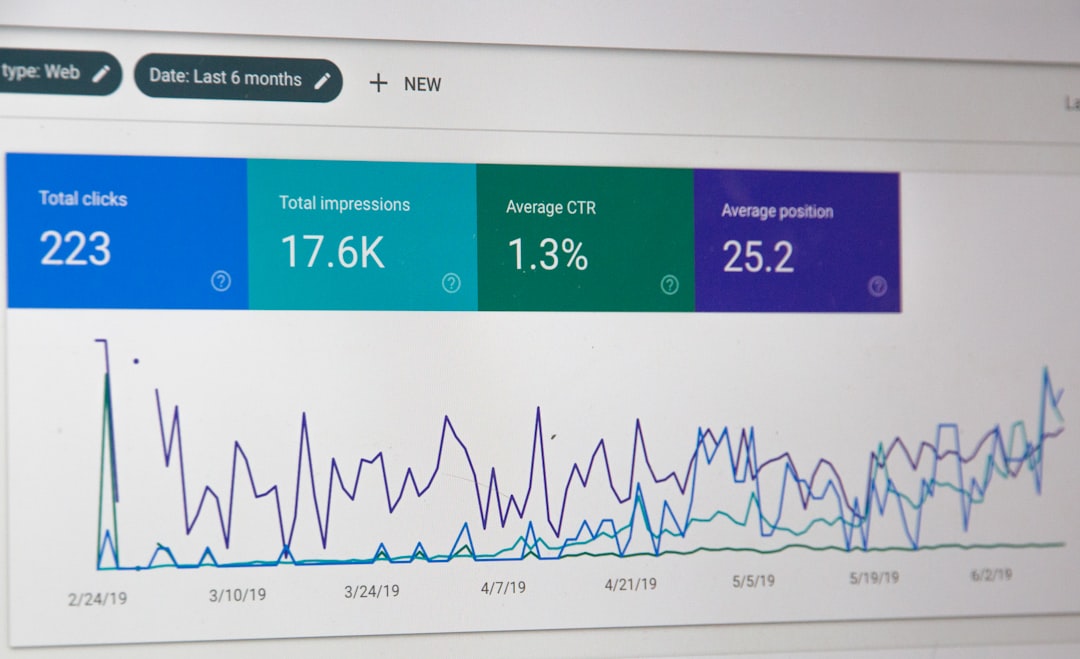
How Leaders Should Choose
A sales leader should start with the biggest performance gap.
If reps are active but losing control of calls, Gong is likely the better first buy. If new hires take too long to ramp, Mindtickle may bring faster value. If content is scattered, Highspot or Seismic could matter more. If outbound execution is messy, Outreach or Salesloft may deserve priority.
The best buying question is not, “Which platform has more features?” It is, “Which behavior needs to improve this quarter?”
That question keeps the team focused. It also prevents bloated software stacks that create noise instead of skill.
FAQ
What is the main difference between Gong and Mindtickle?
Gong analyzes real sales conversations and deal activity. Mindtickle trains, tests, and certifies reps before and after those conversations.
Can a company use Gong and Mindtickle together?
Yes. Many teams use Gong to find skill gaps and Mindtickle to train reps on those gaps. Gong supplies field data. Mindtickle supports structured improvement.
Which tool is better for new sales hires?
Mindtickle is usually better for onboarding because it supports learning paths, role plays, quizzes, and certifications.
Which tool is better for sales managers?
Gong is often better for frontline managers who need to coach live deal behavior, review calls, and spot pipeline risk.
Do tools make an average salesperson great?
No tool can replace effort, curiosity, and coaching. But the right platform can expose weak habits, shorten ramp time, and make practice more consistent.
What should a small sales team buy first?
A small team should buy based on the biggest pain. If call quality is poor, choose conversation intelligence. If onboarding is slow, choose readiness training. If outreach is inconsistent, choose a sales engagement tool.