Start with Google Ads if people are already searching for what you sell. Start with Meta Ads if people need to see, feel, or want your product before they search for it.
TLDR: Google Ads catches demand. Meta Ads creates demand. For example, a local dentist might spend $1,000 on Google Ads and get 40 booking calls, while a candle shop might spend $500 on Meta Ads and get 70 new customers from pretty product videos. Most brands should test both, then move money toward the platform with the lower cost per sale.
Google Ads vs Meta Ads, in plain English
Google Ads is like standing in front of a store when someone says, “I need running shoes.” You show them running shoes.
Meta Ads, which includes Facebook and Instagram, is like walking into a party with a tray of cupcakes. People did not ask for cupcakes. But now they want cupcakes.
That is the big difference.
- Google Ads: Great for search intent.
- Meta Ads: Great for attention and desire.
- Other ad platforms: Great when your audience hangs out there.
Feels simple. It is. Until the dashboards start yelling at you with acronyms.
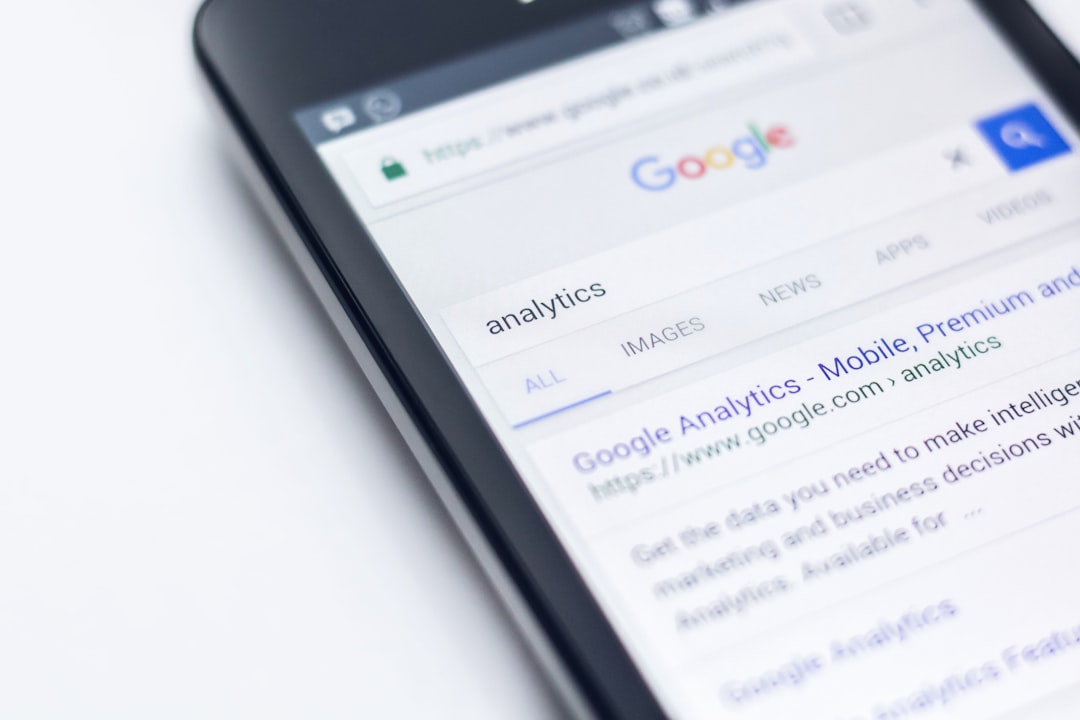
Google Ads: people already want the thing
Google Ads works best when people are hunting. They type something like emergency plumber near me, best tax software, or buy dog food online. That search has heat. It has intent. It has a wallet nearby.
You can run different types of Google campaigns.
- Search ads: Text ads shown in Google search results.
- Shopping ads: Product images, prices, and store names.
- YouTube ads: Video ads before or during videos.
- Display ads: Banner ads across websites.
- Performance Max: One campaign type that spreads ads across Google channels.
Best for: local services, e commerce, software, insurance, travel, legal services, and anything people search for when ready to act.
The downside? Clicks can get pricey. A lawyer may pay $50 to $200 for one click in some cities. That click might not even become a client. Ouch.
It also takes patience. Google can eat budget while it learns. Expect to waste time on search terms that make you mutter at your screen. Why did someone click your ad for “free plumber advice”? Nobody knows. But you paid for it.
Meta Ads: people discover the thing
Meta Ads covers Facebook, Instagram, Messenger, and parts of the Meta ad network. These ads show up while people scroll, laugh, stalk old classmates, or watch dog videos.
Meta is visual. It loves strong images. It loves short videos. It loves products that make people say, “Wait, I need that.”
Best for: fashion, beauty, food, fitness, coaching, events, home decor, apps, courses, and fun consumer products.
Meta can be cheaper at the top of the funnel. You may pay $0.50 to $3 per click in many markets. But those clicks are colder. People did not search for you. You interrupted them.
That means your creative matters a lot. A boring ad dies fast. A good video can carry the whole campaign. Show the product. Show the result. Show a face. Keep it quick.
Honestly, it feels like Meta hides one useful setting every three months just to keep us humble. Sometimes finding a simple option takes 40 seconds longer than it should. Tiny pain. Real pain.
Simple example: same budget, different job
Say you sell handmade dog beds. You have $1,000.
- On Google: You target people searching “orthopedic dog bed” or “washable dog bed.” These people are close to buying.
- On Meta: You show a sleepy golden retriever sinking into your fluffy dog bed. People smile. Then they click.
Google may bring fewer clicks, but stronger buyers. Meta may bring more clicks, but more window shoppers. Neither is “better” all the time. They do different jobs.

What about TikTok Ads?
TikTok Ads are great if your product can be shown in motion. The platform loves raw, funny, useful videos. Polished ads can flop. A messy phone video can win.
TikTok works well for beauty, gadgets, clothing, apps, food, and anything with a “whoa” moment. It is also strong for younger audiences. But sales can be uneven. One video may fly. The next may sink like a spoon in soup.
Use TikTok if you can make lots of short videos. Not one. Lots. The machine needs snacks.
What about LinkedIn Ads?
LinkedIn Ads are for business buyers. Think software, consulting, recruiting, finance, training, and B2B events.
The targeting is the star. You can reach people by job title, company size, industry, and seniority. Want to target HR directors at companies with over 500 employees? Easy.
The price is the scary part. Clicks may cost $5 to $20, and sometimes more. But one good business lead can be worth thousands. So the math can still work.
What about Microsoft Ads?
Microsoft Ads shows ads on Bing, Yahoo, and other Microsoft search partners. Yes, people still use Bing. More than you think.
It often has lower competition than Google. That can mean cheaper clicks. It is useful for older audiences, desktop users, finance, health, software, and B2B buyers.
If Google Ads works for you, test Microsoft Ads too. Do not expect magic. Expect a smaller, cheaper cousin.
What about Amazon Ads?
Amazon Ads are perfect when you sell products on Amazon. People there are not browsing for life advice. They are buying stuff.
You can promote products in search results and on product pages. This is powerful because the buyer is already on a shopping site.
The hard part is margin. Ads cost money. Amazon fees cost money. Shipping costs money. Suddenly your profit is hiding under the couch.
What about Pinterest, Reddit, and X?
Pinterest Ads are great for planning. Weddings. Kitchens. Outfits. Recipes. DIY. Home projects. People save ideas there before buying.
Reddit Ads can work for niche groups. Gamers, tech fans, investors, hobbyists, and very specific communities live there. But Reddit users smell lazy ads from a mile away. Be useful or be roasted.
X Ads can help with news, tech, finance, politics, and creator brands. Results vary a lot. Test small.

How to choose the right platform
Ask five simple questions.
- Are people searching for this? Try Google or Microsoft Ads.
- Does it look great in photos or video? Try Meta or TikTok.
- Is it for business buyers? Try LinkedIn.
- Is it sold on Amazon? Try Amazon Ads.
- Is it tied to hobbies or planning? Try Pinterest or Reddit.
Also check your budget. Some platforms need more testing money. If you only have $300, keep it simple. Do not split it across six ad accounts. That is like feeding six birds with one crumb.
Track the numbers that matter
Do not obsess over likes. Likes are nice. Sales pay rent.
Watch these numbers instead:
- Cost per click: How much each click costs.
- Conversion rate: How many visitors take action.
- Cost per lead: How much each lead costs.
- Cost per sale: How much each sale costs.
- Return on ad spend: Revenue compared with ad cost.
If you spend $500 and make $1,500, your return is 3 to 1. Nice. If you spend $500 and make $200, stop clapping for impressions. Fix the campaign.
The best mix for most businesses
For many brands, the winning setup is simple.
- Google Ads captures ready buyers.
- Meta Ads builds interest and retargets visitors.
- One extra platform reaches a special audience.
Start small. Test clear offers. Use simple landing pages. Kill weak ads. Feed winners more budget.
Final tip: Google is the cash register. Meta is the window display. Other platforms are side doors. Use the door your customer actually walks through.