Agile was never meant to be a calendar full of ceremonies. It was designed to help teams learn quickly, deliver frequently, and respond to change without getting trapped in bureaucracy. Yet many agile teams eventually discover an uncomfortable truth: their planning process has become heavier than the work itself.
TLDR: Agile teams should reduce planning overhead when planning meetings consume significant delivery time, decisions are repeatedly revisited, or the work is already well understood. For example, if a team of eight spends 12 hours per sprint in refinement, estimation, and planning, that is 96 person hours before a single feature is shipped. Cutting that by 40% could recover almost two full developer days each sprint. The goal is not to eliminate planning, but to plan just enough to move confidently.
When Planning Stops Helping
Planning is valuable when it reduces uncertainty. It helps teams align on goals, identify risks, sequence work, and avoid expensive misunderstandings. But planning becomes overhead when it creates the illusion of control without improving outcomes.
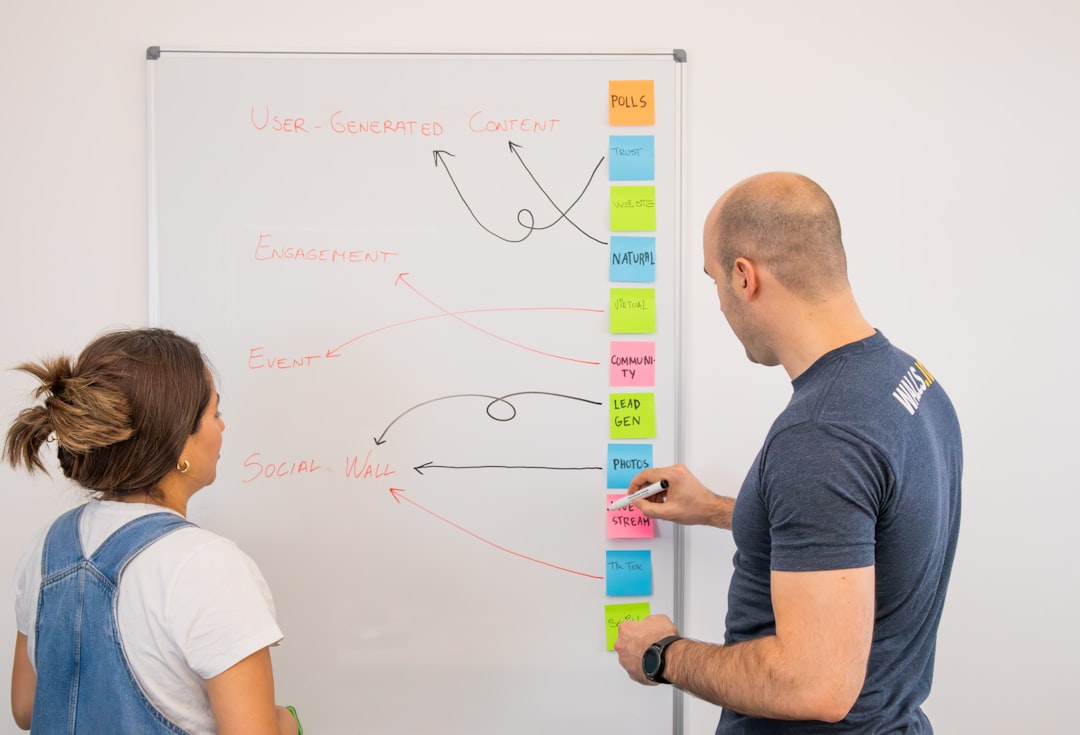
Many agile teams fall into this trap gradually. A simple sprint planning meeting becomes a half day discussion. Backlog refinement turns into a debate about every edge case. Estimation becomes a negotiation, not a forecasting tool. Roadmaps become detailed commitments months into the future, even though the team knows priorities will change.
The result is often predictable: teams are busy, but not necessarily productive. They may have beautiful boards, detailed tickets, and carefully estimated stories, yet still struggle to ship meaningful increments of value.
The Hidden Cost of “Just One More Meeting”
Planning overhead is expensive because it multiplies quickly. A one hour meeting with ten people is not one hour of cost; it is ten hours of team capacity. If that meeting happens weekly, it can consume hundreds of hours over a quarter.
There are also hidden costs beyond time:
- Context switching: Developers and designers lose focus when pulled away from deep work.
- Decision fatigue: Too many discussions make it harder to identify what actually matters.
- Slow feedback: Excessive planning delays the moment when real users can react to real work.
- False precision: Detailed estimates can look scientific while still being wrong.
- Lower ownership: Teams may wait for perfect clarity instead of making responsible decisions.
Agile teams should ask a simple question: Does this planning activity improve delivery, learning, or alignment? If the answer is unclear, the activity may need to be shortened, simplified, or removed.
Signs Your Team Should Reduce Planning Overhead
Not every team needs less planning. Some teams need better planning, especially when working in complex domains, regulated industries, or high risk environments. However, there are clear signals that planning has become excessive.
1. Sprint Planning Regularly Runs Long
If sprint planning consistently takes several hours and still leaves the team confused, the problem may not be the meeting length. It may be that too much detail is being forced too early. Teams should enter planning with a clear sprint goal, a reasonably refined backlog, and enough agreement to start. They do not need every technical detail solved in advance.
2. Estimates Are Treated as Promises
Story points, t shirt sizes, and other estimation methods are meant to support forecasting and conversation. When estimates become commitments, teams often spend excessive time defending numbers. This can lead to conservative estimates, inflated buffers, and unnecessary debate.
A healthier approach is to use estimation lightly. If the work is small, familiar, and low risk, the team may not need to estimate it at all. Some teams move toward flow based planning, measuring cycle time and throughput instead of estimating every item.
3. The Team Replans the Same Work Repeatedly
If a ticket is discussed in roadmap planning, backlog refinement, sprint planning, daily standups, and follow up meetings before any work begins, something is wrong. Repeated discussion may indicate unclear ownership, poor ticket slicing, or fear of making decisions.
Planning should create momentum. If it creates loops, reduce the number of handoffs and let smaller groups resolve details asynchronously.
4. Most Work Is Routine or Well Understood
Not all work deserves the same level of planning. Building a new payments architecture requires more discussion than updating a settings page. Fixing a straightforward bug does not need the same ceremony as launching a new product line.
Teams can classify work by uncertainty:
- Low uncertainty: Use lightweight tickets, minimal discussion, and quick execution.
- Medium uncertainty: Clarify acceptance criteria and dependencies, then start.
- High uncertainty: Use discovery spikes, prototypes, or design sessions before commitment.
What “Less Planning” Actually Means
Reducing planning overhead does not mean becoming chaotic. It means replacing broad, repetitive, low value planning with focused, timely, and useful planning.
Instead of asking, “Have we planned everything?” agile teams should ask, “Do we know enough to take the next responsible step?” This mindset is especially useful in uncertain environments, where long range detail often becomes obsolete before execution begins.
Less planning may look like:
- Shorter sprint planning sessions with a stronger focus on the sprint goal.
- Fewer backlog items refined in advance.
- Replacing large estimation sessions with quick relative sizing.
- Using written updates instead of status meetings.
- Allowing engineers and designers to clarify details during implementation.
- Running spikes for unknowns instead of debating assumptions for hours.
The key is to keep planning close to the work. The further planning is from execution, the more likely it is to become speculative.
How to Reduce Planning Without Losing Control
The biggest fear managers and product owners have is that less planning will lead to unpredictability. That fear is valid. A team should not simply cancel meetings and hope for the best. The better approach is to reduce overhead while improving transparency.
Start with a Planning Audit
For two weeks, track how much time the team spends in planning related activities: refinement, estimation, sprint planning, roadmap reviews, prioritization meetings, and status discussions. Then compare that number with actual delivery time.
If a six person team spends 18 combined hours per week planning, that is 75% of one full time person’s weekly capacity. The question is not whether planning is bad. The question is whether those 18 hours are producing enough clarity and value to justify the cost.
Use Clear Decision Rules
Teams reduce meeting time when they agree on how decisions will be made. For example:
- If a story is smaller than one day of work, do not estimate it.
- If only two people are needed for a decision, do not invite the whole team.
- If a discussion exceeds 15 minutes without progress, create a spike or assign an owner.
- If requirements are likely to change, define the outcome rather than every detail.
These rules prevent planning from expanding to fill every available gap.
Improve the Quality of Backlog Items
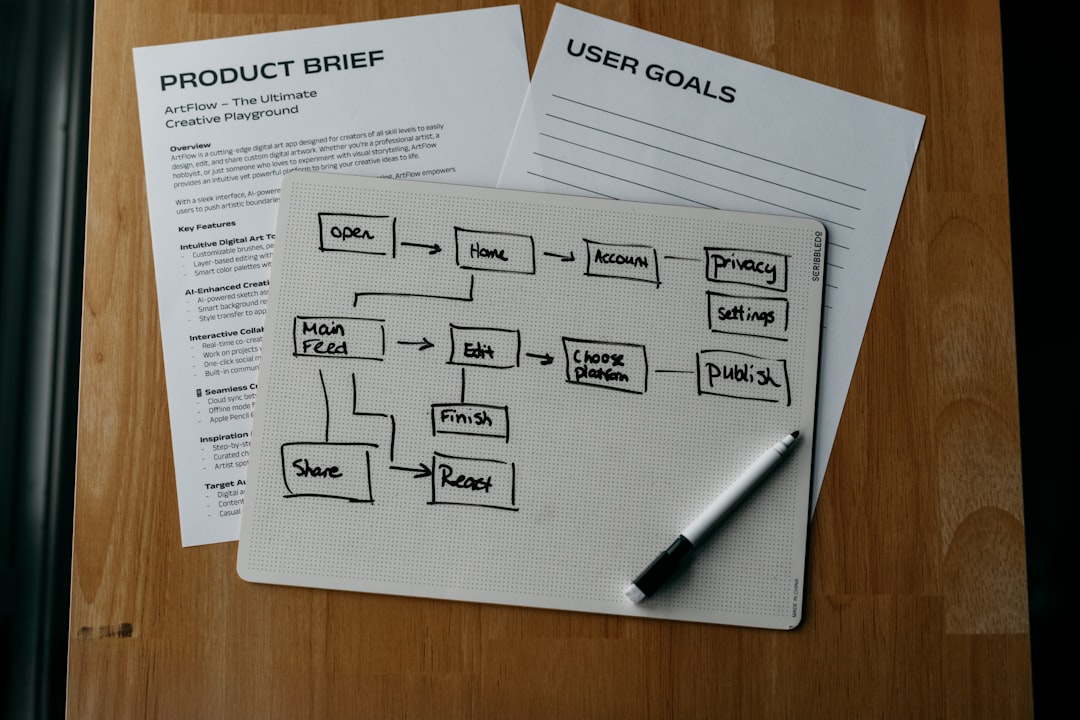
Less planning works best when backlog items are clear, small, and outcome oriented. A lightweight ticket is not a vague ticket. It should still explain the user problem, desired result, and acceptance criteria.
A good backlog item might include:
- User need: What problem are we solving?
- Expected outcome: What should be true when this is done?
- Constraints: Are there technical, legal, or design limits?
- Definition of done: How will we know it is complete?
This level of clarity supports execution without requiring lengthy pre work.
When More Planning Is Still the Right Choice
There are moments when reducing planning is the wrong move. Teams should invest more planning time when the cost of failure is high, dependencies are complex, or the work affects security, compliance, performance, or customer trust.
For instance, a healthcare platform changing patient data permissions should not rely on informal decisions and quick execution. The team needs careful review, documentation, and risk assessment. In this case, planning is not waste; it is protection.
The art of agile planning is knowing the difference between uncertainty that requires investigation and uncertainty that can only be resolved by building something.

A Practical Rule: Plan to the Point of Confidence
A useful guideline is to plan until the team has enough confidence to begin, not until everyone has perfect certainty. Confidence means the team understands the goal, the first steps, the main risks, and how feedback will be gathered.
Once that threshold is reached, execution becomes the best learning tool. Shipping a small feature, testing a prototype, or releasing to a limited audience often reveals more than another planning meeting ever could.
Final Thoughts
Agile teams do not win by planning less for its own sake. They win by removing planning that does not improve outcomes. The best teams protect time for execution while keeping just enough structure to stay aligned, informed, and adaptable.
Less planning, more execution is not a rejection of discipline. It is a commitment to using discipline where it matters most: delivering value, learning from reality, and continuously improving how the team works.