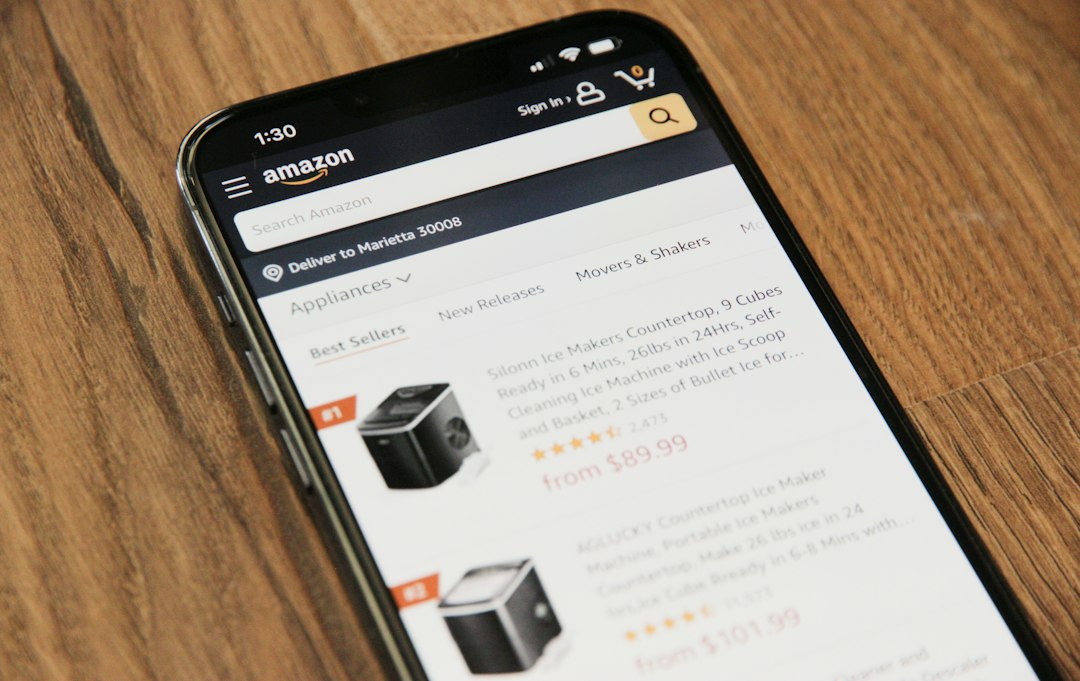
Retail teams should treat Rufus as a warning shot: AI shopping assistants are moving from “nice demo” to a real sales layer. Amazon says Rufus can answer product questions, compare items, and use information from its catalog, reviews, Q&A, and the web [source: Amazon]. That puts pressure on every ecommerce brand to make products easier for machines, not just people, to understand.
TLDR: The top Rufus rivals are Google Shopping AI, Klarna AI Assistant, Shopify Sidekick, and Microsoft Copilot Shopping. Each one helps shoppers compare products, filter choices, and make faster buying decisions. For example, if a store gets 100,000 monthly product searches and 3% convert, even a modest 10% lift from better AI-guided discovery could mean 300 extra orders. The real winner is the assistant that reduces choice overload without hiding useful details.
Why Rufus Changed the Conversation
Rufus matters because it lives where the buying intent is already high: Amazon. A shopper can ask, “What is the best running shoe for flat feet under $120?” and get a guided answer instead of scanning 40 tabs. That cuts friction.
The catch is that shoppers now expect the same help everywhere. If a brand’s store search still acts like it was built in 2012, the drop feels painful. It drives shoppers crazy when typing “gift for coffee lover” returns coffee beans, filters, mugs, and a random grinder with no clear reason.
That is why Rufus rivals matter. They are not just search tools. They are buying assistants, product explainers, and recommendation engines packed into one interface.
The Rufus AI Rival List: 4 Shopping Assistants to Watch
1. Google Shopping AI
Google Shopping AI has a major edge: it catches shoppers before they choose a store. Its AI can summarize product types, compare features, and connect searches to products across many retailers. Google’s Shopping Graph tracks billions of listings, giving it a huge product data base [source: Google].
For brands, this means product data has to be clean. Titles, descriptions, schema, images, and reviews all matter. A weak product feed may push an item out of the answer before the shopper ever sees the site.
Best use: shoppers doing early research, price checks, and product comparisons across many stores.
2. Klarna AI Assistant
Klarna AI Assistant sits close to checkout. That gives it a different role. It can help with product discovery, payments, order questions, returns, and support. It is built for shoppers who want both advice and service in one place.
Its strength is speed. A shopper can ask about sizes, shipping, or payment choices without digging through policy pages. Honestly, it feels like many ecommerce support pages were written to make people give up. Klarna’s model pushes the opposite idea: answer fast, reduce tickets, and keep the buyer moving.
Best use: payment-focused shopping, post-purchase support, and faster customer service.
3. Shopify Sidekick
Shopify Sidekick is less of a consumer shopping assistant and more of a merchant copilot. Still, it belongs on the Rufus rival list because it can shape the store experience behind the scenes. It can help merchants write product copy, understand sales, create discounts, and improve store operations.
That matters because many small stores do not have large teams. A solo founder may need help spotting slow sellers, planning email offers, or writing better product descriptions. Sidekick can shorten that work.
For stores trying to grow traffic, better content still matters. A useful comparison of Shopify vs WordPress for ecommerce content marketing can help teams choose where product education should live.
Best use: merchants that need AI help with store tasks, content, promotions, and sales insights.
4. Microsoft Copilot Shopping
Microsoft Copilot Shopping brings AI buying help into search and browsing. It can compare products, summarize options, and help shoppers think through specs. This is useful for higher-consideration items like laptops, appliances, fitness gear, and home upgrades.
Copilot also benefits from being part of a wider Microsoft experience. A shopper may start with a broad question, refine the list, and then move to retailer pages. The assistant can reduce the boring part of research.
The weak spot is trust. If the answer feels too generic, shoppers will still open five more tabs. AI shopping tools must show why a product is suggested, not just say it is “great.”
Best use: research-heavy buying, product comparisons, and shoppers who need plain explanations of features.
What Ecommerce Teams Should Do Now
- Clean product data. AI tools need clear titles, specs, prices, categories, and availability.
- Write useful descriptions. Thin copy gives AI less to work with.
- Add comparison content. Buyers want help choosing between similar products.
- Improve review quality. Real customer language helps assistants answer better.
- Connect AI with retention. Product discovery should feed email, SMS, and loyalty campaigns.
For customer growth, AI shopping help should not sit alone. It should connect with acquisition and retention. A guide on Klaviyo vs HubSpot for ecommerce growth marketing can help teams match shopper data with follow-up campaigns.
Seasonal sales are another good test. During peak events, shoppers ask more questions and compare faster. Brands planning holiday campaigns can pair assistant-led product discovery with ideas from this Black Friday marketing strategy comparison.
FAQ
-
What is Amazon Rufus?
Rufus is Amazon’s AI shopping assistant. It answers product questions, compares items, and helps shoppers find the right product inside Amazon. -
Which Rufus rival is best for product discovery?
Google Shopping AI is strong for early product research because shoppers often start there before visiting a store. -
Which assistant helps merchants the most?
Shopify Sidekick is the most merchant-focused option. It helps with store tasks, product copy, discounts, and business insights. -
Do AI shopping assistants replace ecommerce search?
Not fully. They improve search by turning vague questions into useful product suggestions. Stores still need strong filters, categories, and product pages. -
How can a store prepare for AI shopping assistants?
The store should improve product data, add clear descriptions, collect better reviews, and create content that answers real buyer questions.